


Authored by Sunshine Industrial Corporation
As we navigate the economic landscape of 2026, entrepreneurs and established retailers alike are scrutinizing fast-moving consumer goods (FMCG) for reliable revenue streams. A recurring and highly pertinent question within our B2B consultations is: is selling of detergent profitable? The short answer is yes. However, profitability in the modern detergent sector is not guaranteed merely by stocking shelves; it requires strategic sourcing, market segmentation, and an understanding of evolving consumer chemistry.
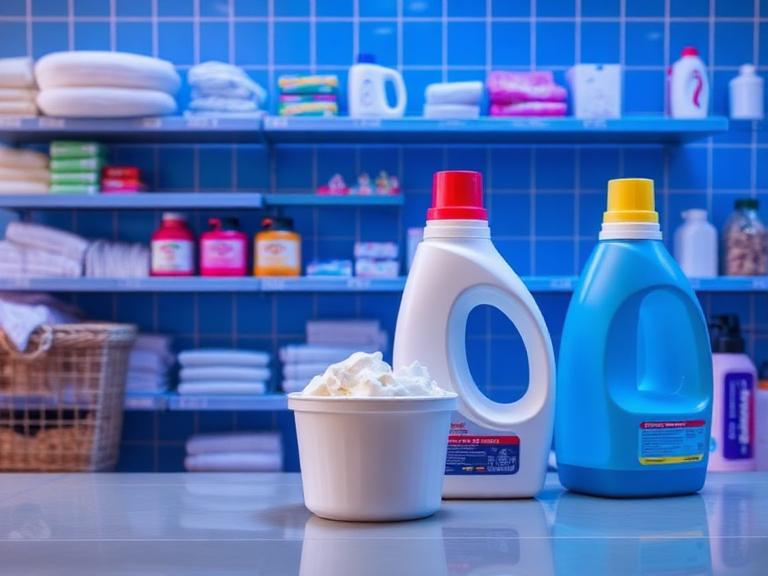
Detergent is a non-discretionary consumable. Regardless of economic downturns or inflation, households and commercial entities must clean their clothing, dishes, and environments. This inelastic demand creates a robust foundation for consistent cash flow. From our experience at Sunshine Industrial Corporation, the businesses capturing the highest margins are those that leverage specialized OEM/ODM manufacturing to build localized, niche brands rather than competing solely on price with multinational conglomerates. In this authoritative guide, we will break down the profit margins, market trends, and sourcing strategies that definitively answer whether the selling of detergent is profitable in 2026.
Table of Contents
- 1. The Inelastic Demand: Why Detergent Remains a Cash Cow
- 2. Analyzing Profit Margins in the Detergent Sector
- 3. Highly Profitable Niche Markets for 2026
- 4. Maximizing ROI through OEM/ODM Partnerships
- 5. Logistics and Shelf-Life: Hidden Profit Protectors
- 6. Summary: Wholesale vs. Private Label Profitability
- 7. Frequently Asked Questions (FAQs)
- 8. Authoritative Industry References
1. The Inelastic Demand: Why Detergent Remains a Cash Cow
To understand if the selling of detergent is profitable, one must look at consumption patterns. Detergent falls into the category of essential household goods. Unlike luxury items or discretionary electronics, the purchase cycle for laundry and dishwashing detergents is continuous and predictable. In 2026, global hygiene standards have only increased, further cementing the need for high-efficacy cleaning agents.
Furthermore, the demographic expansion in emerging markets—specifically across Africa, the Middle East, and South America—has led to a surge in washing machine penetration. This technological shift moves consumers from traditional bar soaps to more lucrative powder and liquid formulations. We recommend targeting these transitioning markets, as the volume of sales provides immense leverage for profitability.
2. Analyzing Profit Margins in the Detergent Sector
When clients ask us, “is selling of detergent profitable?”, the answer lies in the margin spread between manufacturing cost and retail price. If you are merely a third-party distributor for major global brands, your margins will be razor-thin—often between 5% and 12%. The heavy marketing costs of these conglomerates are baked into their wholesale prices.
However, the paradigm shifts dramatically when you utilize private labeling (OEM/ODM). By partnering directly with a manufacturer like Sunshine Industrial Corporation, you bypass the middleman. Our clients routinely see gross margins ranging from 30% to 55% when selling their own branded detergents. Because the core chemical ingredients (surfactants, builders, and enzymes) are highly scalable in production, the cost per unit plummets as your order volume increases. We recommend starting with a concentrated liquid formula, as it reduces shipping weight and maximizes shelf-space ROI.
3. Highly Profitable Niche Markets for 2026

General-purpose detergent is highly competitive. To maximize profitability in 2026, retailers must lean into specialized niches. Consumers are willing to pay a premium for formulations that solve specific problems. From our experience, the following categories offer the highest retail margins:
- Enzyme and Stain Removal: The demand for heavy-duty cleaning without fabric damage is high. Products categorized as the liquid detergents for stain removal and those utilizing an enzyme laundry detergent guide command higher prices due to their specialized chemical efficacy.
- Pediatric and Hypoallergenic: Parents do not compromise on child safety. Creating a private label line of the best baby laundry detergents allows for a significant markup, provided the formulation is dermatologically tested and gentle.
- Premium Fragrance: Scent is a major driver of brand loyalty. Developing a line that competes as the best fragrance laundry detergents ensures repeat customers who identify your brand with the smell of cleanliness.
- Eco-Friendly Kitchen Solutions: With rising environmental awareness, non toxic dishwasher detergents are rapidly capturing market share from traditional, harsh chemical pods.
- Delicate Fabrics: Specialized formulas like hand wash detergents for delicate clothes cater to high-income consumers protecting expensive silk and wool garments.
- Industrial Applications: Do not ignore the B2B sector. Selling bulk detergents for pressure washers provides massive volume contracts with local municipalities and cleaning services.
4. Maximizing ROI through OEM/ODM Partnerships
To definitively ensure that the selling of detergent is profitable, you must control your supply chain. An OEM (Original Equipment Manufacturer) partnership allows you to place your brand on our proven formulations. An ODM (Original Design Manufacturer) partnership goes further, allowing us to customize the scent, color, active matter percentage, and viscosity specifically for your target demographic.
At Sunshine Industrial Corporation, our ISO9001 certification guarantees that every batch meets rigorous international standards. By utilizing our cutting-edge equipment, you eliminate the need to invest millions in your own manufacturing facility, mixing tanks, and packaging lines. You simply handle the marketing and distribution while we provide a consistent, high-quality product that scales instantly as your sales grow.
5. Logistics and Shelf-Life: Hidden Profit Protectors
A critical factor in FMCG profitability is inventory management. Detergents, unlike perishable food items, possess an incredibly long shelf life—typically 24 to 36 months. This eliminates the financial risk of spoilage and dead stock.
Furthermore, packaging innovations have optimized logistics. Concentrated powders and concentrated liquid pods require significantly less warehouse space and incur lower freight costs per wash-load than heavily diluted liquid formulas. We recommend working closely with your manufacturing partner to optimize pallet configuration. Efficient shipping directly translates to higher net profit margins, solidifying the argument that the selling of detergent is profitable.
6. Summary: Wholesale vs. Private Label Profitability
| Business Model | Average Gross Margin | Brand Control | Initial Capital Required | Scalability |
|---|---|---|---|---|
| Distributing Global Brands | 5% – 12% | None | Moderate (Inventory) | High competition, low loyalty |
| Local Bulk Repackaging | 15% – 25% | Low | Low | Moderate |
| OEM/ODM Private Label | 30% – 55% | Complete | Moderate (MOQ requirements) | High margin, high brand loyalty |
7. Frequently Asked Questions (FAQs)
8. Authoritative Industry References
To further validate the economic stability and chemical regulations governing the detergent industry, we recommend consulting the following authoritative sources:
- American Cleaning Institute (ACI) – Provides extensive data on consumer cleaning habits, ingredient safety, and sustainability trends.
- International Organization for Standardization (ISO) – Details the ISO 9001 quality management standards critical for reliable detergent manufacturing.
- European Chemicals Agency (ECHA) – Essential reading for those looking to export eco-friendly detergents, covering REACH compliance and surfactant biodegradability.
In conclusion, the question of whether the selling of detergent is profitable in 2026 yields a resounding yes—provided the business model is executed correctly. By moving away from low-margin wholesale distribution and embracing OEM/ODM partnerships to create targeted, high-quality private labels, entrepreneurs can secure substantial and sustainable profits. Sunshine Industrial Corporation remains committed to providing the technical expertise and manufacturing muscle required to turn your brand vision into a highly profitable reality.