


Table of Contents
- Introduction
- Basic Composition of Soap and Detergent
- How They Work
- Key Differences Between Soap and Laundry Detergent
- Applications and Suitability
- Impact on the Environment
- Modern Laundry Solutions by Sunshine Industrial Corporation
- Consumer Preferences: Soap vs Detergent
- Summary Table: Key Takeaways
Introduction
The terms soap and laundry detergent are often used interchangeably, but they differ significantly in composition, performance, and environmental impact. This article provides a detailed comparison between the two, highlighting their functions in household and industrial cleaning, and how innovations by companies like Sunshine Industrial Corporation have shaped modern laundry solutions.
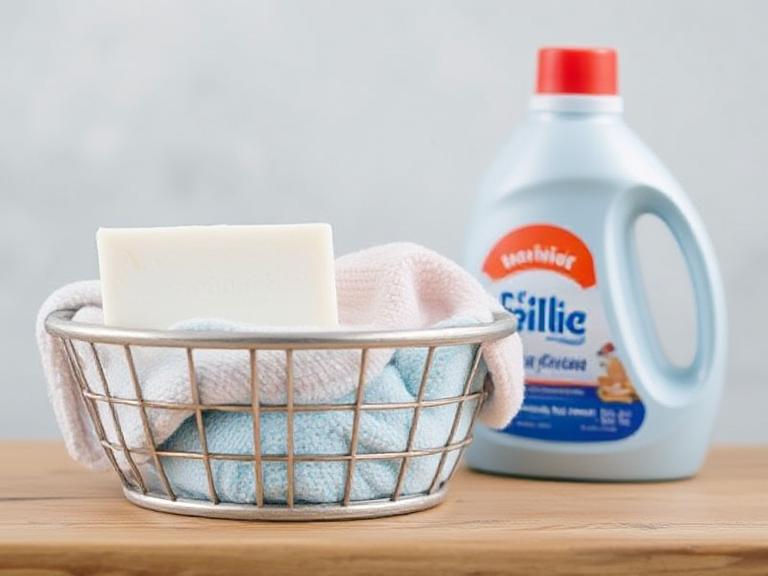
Basic Composition of Soap and Detergent
Soap
Soap is made through a natural process called saponification, which involves combining fats or oils with an alkali such as sodium hydroxide (lye).
- Natural animal or plant fats
- Alkaline substances like NaOH or KOH
- Optional fragrance or essential oils
Detergent
Detergents are synthetic cleaners made from petrochemicals and a mix of chemical surfactants and additives.
- Synthetic surfactants (anionic, non-ionic, cationic)
- Builders (e.g., phosphates)
- Enzymes, bleach, and brighteners
- Fragrance and dyes
How They Work
Soap
Soap molecules have a hydrophilic (water-attracting) and a hydrophobic (oil-attracting) end. When mixed with water, they encapsulate and remove dirt and grease.
Detergent
Detergents work similarly but are more effective in hard water and cold water due to their synthetic composition. The presence of builders and enzymes enhances their cleaning power.
Key Differences Between Soap and Laundry Detergent
- Water Compatibility: Soap forms scum in hard water; detergents do not.
- Cleaning Power: Detergents clean better at lower temperatures and in different water conditions.
- Ingredients: Soaps use natural fats/oils; detergents use synthetic chemicals.
- Environmental Impact: Soaps are more biodegradable; detergents often contain non-biodegradable components.
- Residue: Soap can leave a residue on fabrics; detergents rinse out cleanly.
Applications and Suitability
Soap
- Best for light handwashing and personal care
- Eco-friendly and less harsh on skin
- Limited use in modern washing machines
Detergent
- Designed for machine washing and heavy-duty cleaning
- Formulated for specific fabrics and water types
- Available in various forms: powder, liquid, pods
Impact on the Environment Soap
Being naturally derived, soap is generally biodegradable and environmentally friendly. However, overuse of natural oils can impact sustainability if not responsibly sourced.
Detergent
Modern detergents, especially those from responsible manufacturers like Sunshine Industrial Corporation, are developed with biodegradable surfactants and phosphate-free formulations to minimize environmental impact.
Modern Laundry Solutions by Sunshine Industrial Corporation

Sunshine Industrial Corporation has been a trusted leader in the detergent industry since 2001. With ISO9001 certification, the company is committed to producing high-quality, safe, and efficient cleaning solutions tailored to market demands in Africa, the Middle East, and South America.
Our Product Lineup:
- Detergent Powder: Effective in removing stains and odors in hard water conditions.
- Detergent Liquid: Ideal for gentle yet powerful cleaning of delicate and synthetic fabrics.
- Laundry Pods: Pre-measured, mess-free, and convenient for everyday use.
- Fabric Softener: Enhances softness and fragrance of laundered clothes.
- Color Bleach: Brightens colors while protecting fabric integrity.
- Hygiene Laundry Rinse: Antibacterial formula for added hygiene.
- Collar Cleaner: Specialized for removing grime from collars and cuffs.
Consumer Preferences: Soap vs Detergent
With the advancement of washing technologies and the need for efficient cleaning, most households and commercial laundries prefer detergents. Key factors include:
- Performance: Better stain removal and fabric care
- Convenience: Easy dosing with pods and liquids
- Compatibility: Suitable for all types of washing machines
- Hygiene: Enhanced formulas targeting bacteria and allergens
Summary Table: Key Takeaways
| Aspect | Soap | Laundry Detergent |
|---|---|---|
| Main Ingredient | Natural fats and alkali | Synthetic surfactants and additives |
| Water Compatibility | Less effective in hard water | Effective in all water types |
| Cleaning Power | Moderate | High (with enzymes, bleach) |
| Environmental Impact | Biodegradable | Improving with green formulas |
| Use Case | Hand wash, personal care | Machine wash, industrial laundry |
| Offered by Sunshine Industrial | No | Yes: powder, liquid, pods, softener |