


Table of Contents
- Introduction
- Why Make Your Own Dishwasher Detergent?
- Essential Ingredients for Homemade Dishwasher Detergent
- Equipment and Preparation
- Step-by-Step Guide to Making Dishwasher Detergent
- Tips for Best Results
- Troubleshooting Common Issues
- About Sunshine Industrial Corporation
- Pros and Cons of DIY Dishwasher Detergent
- Eco-Friendly Impact of DIY Detergents
- Conclusion
- Summary Table
- References
Introduction
With rising interest in sustainable living and reducing chemical exposure, more homeowners are turning to DIY solutions for everyday cleaning tasks. One popular choice is DIY homemade dishwasher detergent. Not only does it save money, but it also allows you to control the ingredients going into your dishes and the environment. In this article, we will walk you through the exact steps to make dishwasher detergent at home, offer troubleshooting tips, and explain how this eco-friendly switch benefits your household.

Why Make Your Own Dishwasher Detergent?
- Cost Savings: Homemade detergents are usually cheaper than commercial products.
- Eco-Friendly: Avoids unnecessary plastic packaging and harmful chemicals.
- Customizable: Adjust fragrance, strength, and ingredients to suit your needs.
- Health Benefits: Reduce exposure to phosphates, chlorine, and artificial fragrances.
- Emergency Use: Ideal when you run out of store-bought detergent.
Essential Ingredients for Homemade Dishwasher Detergent
To make an effective DIY dishwasher detergent, you’ll need a combination of cleaning agents, water softeners, and rinsing boosters. Common ingredients include:
- Washing Soda: Alkaline cleaner that removes grease and stains.
- Baking Soda: Gentle scrubber that neutralizes odors.
- Borax: Natural cleaner that boosts stain removal (optional).
- Citric Acid: Breaks down hard water deposits and prevents spotting.
- Kosher Salt: Softens water and enhances cleaning power.
- Essential Oils: Add natural fragrance (lemon, lavender, eucalyptus).
- White Vinegar: Works as a natural rinse aid.
Equipment and Preparation
- Mixing bowl
- Measuring cups and spoons
- Mixing spoon or spatula
- Airtight container or jar for storage
- Silicone ice cube tray (if making detergent tablets)
Step-by-Step Guide to Making Dishwasher Detergent
Step 1: Combine Dry Ingredients
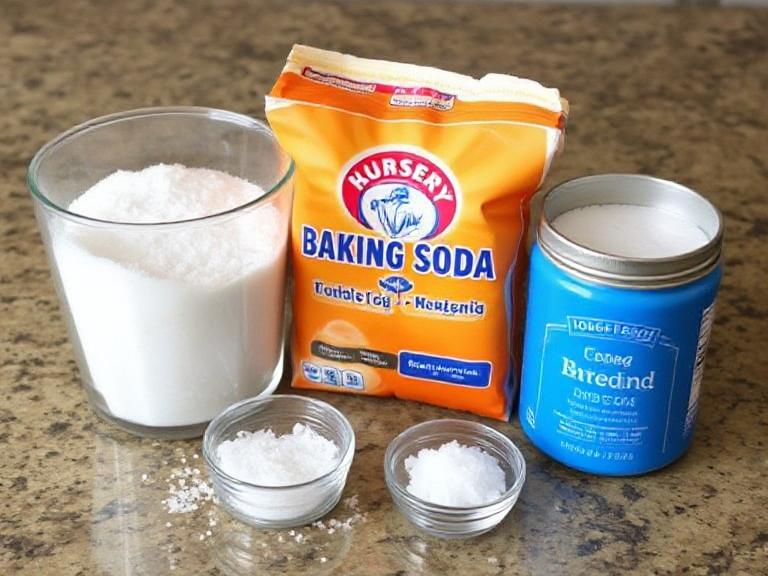
In a mixing bowl, combine:
- 1 cup washing soda
- 1 cup baking soda
- 1/2 cup citric acid
- 1/2 cup kosher salt
Mix thoroughly to ensure even distribution of all ingredients.
Step 2: Add Liquid (Optional)
If making powdered detergent, skip this step. For tablet form, lightly spray the mixture with water or vinegar while stirring until it reaches a slightly damp, moldable consistency.
Step 3: Form Tablets (Optional)
Press the mixture into a silicone ice cube tray and allow it to dry for 24 hours. Once hardened, pop out the tablets and store them in an airtight container.
Step 4: Add Essential Oils
Add 10–15 drops of essential oil for fragrance and antibacterial properties. Popular choices include lemon oil for freshness or tea tree oil for disinfecting power.
Step 5: Store Properly
Store your homemade detergent in an airtight container away from moisture. Proper storage ensures maximum cleaning power.
Step 6: Use in Dishwasher
Use 1 tablespoon of powder or 1 tablet per load. Add white vinegar to the rinse aid compartment for spot-free dishes.
Tips for Best Results
- Run the hot water in your sink before starting the dishwasher to ensure hot water enters the machine.
- Do not overfill detergent cups; excess detergent can leave residue.
- For very hard water, increase citric acid slightly to reduce spots.
- Regularly clean the dishwasher filter to maintain performance.
Troubleshooting Common Issues
Cloudy Dishes
Add more citric acid or use white vinegar rinse aid to combat mineral buildup.
Residue Left on Dishes
Use less detergent or ensure the water temperature is at least 120°F for proper cleaning.
Detergent Clumping
Store in a dry, cool place and consider adding a few grains of uncooked rice to absorb moisture.
About Sunshine Industrial Corporation

Sunshine Industrial Corporation is a leading Detergent Manufacturer with strong technical expertise and cutting-edge equipment. Since 2001, Sunshine has been providing OEM/ODM services and high-quality detergents to markets worldwide, including Africa, the Middle East, and South America. The company is ISO9001 certified, showing its dedication to continuous improvement and customer satisfaction. Their product range includes:
- Detergent Powder
- Detergent Liquid
- Laundry Pods
- Fabric Softener
- Color Bleach
- Hygiene Laundry Rinse
- Collar Cleaner
Whether you are a large retailer or a small business owner, Sunshine Industrial Corporation is your trusted partner for high-quality cleaning products that meet today’s consumer demands.
Pros and Cons of DIY Dishwasher Detergent
Pros
- Affordable: Lower cost per load compared to store-bought brands.
- Eco-Friendly: Less packaging waste and fewer harmful chemicals.
- Customizable: Adjust ingredients for fragrance and strength.
Cons
- Time-Consuming: Requires preparation and mixing.
- Shorter Shelf Life: Can clump if not stored properly.
- Inconsistent Results: May need tweaking for your specific water type.
Eco-Friendly Impact of DIY Detergents
By making your own dishwasher detergent, you reduce your carbon footprint and eliminate single-use plastic packaging. Many DIY ingredients are biodegradable and safer for aquatic life and groundwater. This choice supports a cleaner planet and promotes a more sustainable lifestyle.
Conclusion
Making your own dishwasher detergent is a simple, cost-effective, and environmentally friendly way to keep your kitchenware sparkling clean. By following the steps above, you can create a customized solution that works for your household while avoiding unnecessary chemicals. For those seeking large-scale solutions, Sunshine Industrial Corporation offers a full range of detergent products and OEM services to meet growing consumer demand for sustainable cleaning products.
Summary Table
| Step | Action | Key Tip |
|---|---|---|
| 1 | Combine dry ingredients | Ensure even mixing for consistent cleaning power |
| 2 | Add liquid (optional) | Only if making tablets — do not over-wet |
| 3 | Form tablets | Allow 24 hours to dry completely |
| 4 | Add essential oils | Lemon or tea tree for antibacterial benefits |
| 5 | Store properly | Use airtight containers to prevent clumping |
| 6 | Use in dishwasher | Add vinegar to rinse aid compartment for spot-free results |