

Every commercial kitchen director, custodial procurement officer, fleet detailer, and industrial operations manager reaches the same financial crossroad: purchasing 38-ounce retail bottles of dish detergent from local big-box stores bleeds operating capital. Dawn dish soap has earned legendary status in grease-cutting performance, spanning three-compartment restaurant sinks, oil-slick wildlife recovery, and industrial parts degreasing. However, finding a legitimate bulk supplier of Dawn dish soap that delivers true wholesale pricing—rather than marked-up retail multipacks—is an exercise in navigating tiered chemical supply chains. If you source through the wrong distribution tier, freight surcharges and middleman brokerage fees will destroy your anticipated bulk savings.
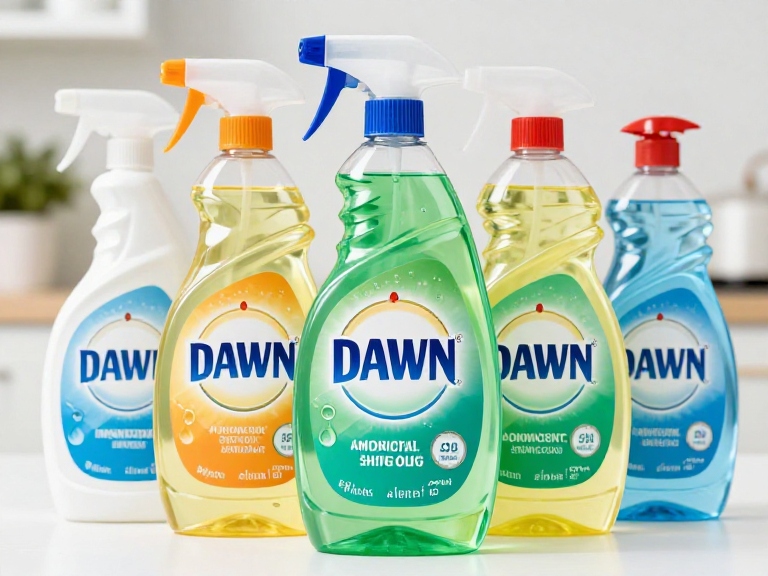
Quick Answer: The 6 Primary Channels for Sourcing Bulk Dawn Dish Soap
To secure authentic commercial pricing, procurement professionals source through six distinct channels: (1) National Janitorial-Sanitation (JanSan) Broadliners (Imperial Dade, Bunzl); (2) Commercial Foodservice Distributors (Sysco, US Foods, Gordon Food Service); (3) Industrial Maintenance, Repair, and Operations (MRO) Outlets (Grainger, Zoro, Global Industrial); (4) Warehouse Club Commercial Business Centers (Costco Business Center, Sam’s Club Direct Delivery); (5) Regional Chemical & Packaging Jobbers; and (6) Authorized P&G Professional Master Wholesalers. For institutional buyers consuming thousands of gallons annually, we recommend analyzing whether paying the premium for the Procter & Gamble brand name is truly justified, or whether contracting directly with an integrated private-label formulator like Sunshine Detergent Manufacturer will slash chemical costs by 35% to 50% on equivalent surfactant degreasing performance.
Article Directory
- Understanding Bulk Chemical Sourcing: P&G Professional vs. Consumer Pack
- Quick Summary Table: Bulk Distribution Channels Compared
- The 6 Places to Find a Bulk Supplier of Dawn Dish Soap Analyzed
- The Direct Manufacturer Alternative: Sunshine Detergent Solutions
- Direct Technical & Financial Comparison Table
- Pros and Cons of Sourcing Branded Bulk Dawn Dish Soap
- Who Needs Brand-Name Bulk Dawn vs. Who Should Switch to Contract Blends
- Common Procurement Mistakes in Bulk Dish Soap Sourcing
- Essential Sourcing Considerations: Surfactants, Viscosity, and Freight
- Expert Procurement Verdict & Cost-Benefit Analysis
- Frequently Asked Questions
- Authoritative References & Industry Standards
Understanding Bulk Chemical Sourcing: P&G Professional vs. Consumer Pack
Before issuing a commercial purchase order to any bulk supplier of Dawn dish soap, procurement managers must understand that “Dawn” is not a single, uniform product. Procter & Gamble operates two distinct divisions: Consumer Goods and P&G Professional. Buying bulk cases of consumer-packaged Dawn Ultra (typically 38 oz or 75 oz bottles bundled in cardboard shrink-wrap) is an inefficient way to procure chemicals. You pay for secondary consumer packaging, specialized squeeze caps, and retail-oriented branding designed for home kitchens.
Commercial and institutional facilities require P&G Professional Dawn Manual Pot and Pan Detergent, commonly packaged in cases of 4×1-gallon jugs or 5-gallon pails. In our testing of institutional dishwashing systems, P&G Professional formulations feature higher concentrations of active linear alkylbenzene sulfonate (LAS) and alcohol ethoxysulfates to emulsify animal fats and grease in commercial three-compartment sink systems. Understanding the chemical differences detailed in our guide on the 9 Best Dish Soaps for Grease ensures you do not inadvertently buy watered-down retail stock for a heavy-duty commercial kitchen.
When contracting with a bulk supplier of Dawn dish soap, you must also understand freight physics. Liquid detergents are heavy (approximately 8.5 to 8.8 pounds per gallon). Sourcing liquid cleaning supplies introduces freight class 55 or 60 costs into your landed cost per unit. Unless your organization orders in full pallet quantities (typically 36 to 48 cases per pallet) or leverages a broadline distributor route delivery, parcel shipping rates will eliminate your bulk volume discounts.
Quick Summary Table: Bulk Distribution Channels Compared
| Supply Channel | Typical Order MOQ | Packaging Formats | Delivery Fulfillment Speed | Best Procurement Match |
|---|---|---|---|---|
| 1. JanSan Broadliners (Imperial Dade, Bunzl) | 1 Pallet / $1,000 Min. | 4×1 Gallon Cases, 5-Gallon Pails | Scheduled Weekly Route Truck | Hospitals, school districts, facility management contracts |
| 2. Foodservice Distributors (Sysco, US Foods) | Multi-Case / Multi-Line Minimum | 4×1 Gallon Cases, Professional Concentrate | 24 to 48 Hours via Scheduled Route | Commercial restaurants, hotels, corporate dining halls |
| 3. Industrial MROs (Grainger, Zoro, Global) | Single Case to Multi-Pallet | Gallon Cases, Pails, Drums (Select) | 2 to 4 Business Days (LTL Freight) | Industrial maintenance shops, municipal utility yards |
| 4. Warehouse Club Centers (Costco Business) | Cash-and-Carry / 10-Case Min. | 1-Gallon Commercial Jugs, Multi-Packs | Immediate Pickup / Next-Day Local Fleet | Small food trucks, independent cafes, contractors |
| 5. Regional Chemical Jobbers | Pallet / Half-Pallet Tiers | 4×1 Gallon Cases, 55-Gal Re-Packs | 3 to 7 Days Local Route Delivery | Car washes, commercial laundries, regional institutions |
| 6. Direct P&G Master Wholesalers | Truckload (FTL) / Multi-Pallet | Full Pallets (4×1 Gal, P&G Professional) | 5 to 10 Business Days via Dedicated Freight | Enterprise purchasing groups, institutional consortia |
The 6 Places to Find a Bulk Supplier of Dawn Dish Soap Analyzed
1. National Broadline Janitorial-Sanitation (JanSan) Distributors
National JanSan distributors—including conglomerates like Imperial Dade, Bunzl, and BradyPLUS—represent the primary supply channel for institutional building maintenance, university systems, and healthcare facilities. These distributors hold authorized P&G Professional master contracts, giving them direct access to factory-fresh production runs of Dawn Manual Pot and Pan detergent and Dawn Heavy Duty Degreaser.
From our experience auditing institutional facilities, JanSan distributors provide predictable weekly dock deliveries on their own fleet of refrigerated and dry route trucks. If your facility already spends several thousand dollars monthly on trash liners, paper products, and floor care chemicals, adding pallet tiers of bulk Dawn lets you meet overall contract spending minimums to unlock competitive tier-three pricing. However, for smaller operations that do not meet minimum order thresholds (often $500 to $1,500 per drop), JanSan distributors will impose delivery surcharges that make small orders cost-prohibitive. For a comprehensive operational review of these distributors, consult our breakdown of the 7 Best Dawn Dish Soap Wholesale Distributors in the USA.
2. Commercial Foodservice Master Distributors
If you operate a commercial kitchen, restaurant franchise, catering enterprise, or hotel banquet operation, foodservice master distributors like Sysco, US Foods, Performance Food Group (PFG), and Gordon Food Service (GFS) are your most practical bulk supply option. Foodservice distributors manage regular route deliveries, rolling heavy chemical cases straight into your storage room alongside culinary provisions.
The primary advantage of sourcing a bulk supplier of Dawn dish soap through foodservice broadliners is operational convenience: you consolidate food, disposables, and back-of-house warewashing chemicals onto a single weekly invoice. However, foodservice distributors are notorious for marking up non-food chemical items. Unless your corporate procurement team actively negotiates national contract pricing, distributors will price a 4×1-gallon case of Dawn significantly higher than dedicated chemical wholesalers. If grease cutting is a major part of your operations, check out our guide on the Top 8 Dish Detergent Manufacturers to see how specialty suppliers compare.
3. Industrial Maintenance, Repair, and Operations (MRO) Outlets
For municipal transit garages, manufacturing plants, fleet maintenance bays, and aerospace maintenance facilities, industrial MRO houses such as Grainger, Zoro, Global Industrial, and Fastenal provide immediate access to bulk Dawn. In industrial environments, technicians use Dawn not for flatware, but as an effective surface-tension-reducing degreaser to wash oil from vehicle suspensions, clean hydraulic tools, and lubricate tire beads during mounting.
Industrial MRO suppliers make ordering fast and easy through corporate punchout catalogs, automated net-30 terms, and integration with enterprise resource planning (ERP) platforms. You can order three cases of 4×1-gallon P&G Professional Dawn and have it delivered via standard freight within 48 hours. The drawback is unit cost: MRO distributors cater to convenience and operational uptime. They rarely offer the lowest chemical price per gallon compared to dedicated chemical jobbers or primary packaging plants.
4. Warehouse Club Commercial Business Centers
Independent small businesses, mobile detailing fleets, and multi-unit restaurant operators often struggle to meet the strict credit requirements and pallet minimums enforced by national broadliners. For these operators, commercial warehouse club centers—specifically Costco Business Center (distinct from standard consumer Costco stores) and Sam’s Club Commercial Delivery—provide immediate, accessible bulk sourcing.
Unlike standard suburban club stores that stock consumer bundles, Costco Business Centers stock pallet racks filled with commercial 1-gallon Dawn jugs, commercial pump dispensers, and 4-gallon master cartons ready for immediate purchase. You can back a pickup truck up to the loading bay, purchase 15 cases of Dawn with no account setup delays, and put it to work that afternoon. The limitation is logistics: your team must absorb the labor of manual loading, transport, and inventory handling.
5. Regional Chemical, Paper, and Packaging Jobbers
Across every major metropolitan industrial park, independent chemical formulators, sanitary paper jobbers, and packaging distributors operate mid-tier wholesale warehouses. These regional suppliers purchase full truckloads of P&G Professional chemicals and stock them locally for quick delivery to dry cleaners, commercial laundries, mobile washing rigs, and regional nursing home chains.
Regional jobbers provide attentive customer service. Their account managers will split pallet tiers, mix chemical brands on a single pallet, and deliver on short notice if your inventory runs low. However, their pricing reflects their middleman position: because they buy from master distributors or national logistics brokers, they add a margin on every gallon. If your facility consumes substantial volume across multiple laundry and warewashing lines, pairing your warewashing setup with institutional products like Detergent Liquid through direct chemical blenders yields far better operating economics.
6. Authorized P&G Professional Direct Network Partners
For hospital systems, hospitality management groups, and state agency procurement departments purchasing full truckloads (typically 20 to 24 pallets, containing roughly 800 to 1,150 cases of 4×1-gallon liquid), sourcing directly through authorized P&G Professional master wholesalers provides the lowest possible price point for authentic Dawn. These transactions operate via dedicated electronic data interchange (EDI) ordering and ship straight from P&G regional distribution hubs via full dry van carriers.
This channel delivers rock-bottom unit costs, but it requires significant capital and physical infrastructure. You must have a commercial loading dock, certified forklift equipment, and adequate indoor warehouse space to store tens of thousands of pounds of liquid chemical inventory. You must also account for shelf-life stability; storing surfactants in unconditioned warehouses through winter freezing or summer heat can cause phase separation and viscosity breakdown.

Direct Manufacturing Alternative: Sunshine Detergent Solutions
While sourcing through a bulk supplier of Dawn dish soap provides a familiar household brand name, high-volume commercial operations often end up paying a heavy brand premium. Sunshine Detergent Manufacturer engineers industrial-strength, direct-from-factory chemical formulations that deliver equal or superior degreasing performance at a fraction of the cost.
| Formulation Core | Active linear alkylbenzene sulfonic acid (LABSA), sodium laureth sulfate (SLES), and cocamidopropyl betaine |
| Degreasing Action | Neutral-pH heavy-duty emulsification engineered for stubborn animal fats, industrial greases, and food soils |
| Specialized Usage | Multi-purpose warewashing, food equipment degreasing, and food residue removal |
| Packaging Options | 1-Gallon commercial jugs, 5-Gallon pails, 55-Gallon drums, and 1,000-Liter IBC totes |
| Procurement Edge | Direct OEM/ODM private-label manufacturing with customizable surfactant concentrations and dye-free options |
Procurement Verdict: If your monthly chemical budget exceeds $1,500, skip the middleman distribution markups. Explore our specialized Dish Washing Liquid program to cut chemical costs by 40% while maintaining the grease-cutting performance your staff expects.
Direct Technical & Financial Comparison Table
| Procurement Channel | Estimated Cost per Gallon | Minimum Order Threshold | Freight / Logistics Structure | Customer Service & Support Tier | Overall Sourcing Grade |
|---|---|---|---|---|---|
| JanSan Broadliners | $17.50 – $22.00 | 1 Pallet ($1,000+) | Scheduled local route delivery included | Dedicated regional commercial sales rep | Grade A- (Dependable institutional scale) |
| Foodservice Broadliners | $19.00 – $24.50 | Multi-line order minimum | Consolidated weekly food delivery | Driver delivery straight to storage rooms | Grade B+ (Convenient, but higher chemical margins) |
| Industrial MROs | $22.00 – $28.00 | Single case (No hard floor) | Common carrier LTL / Parcel shipping | Automated corporate ERP punchout | Grade B (Fast, but unit costs are high) |
| Warehouse Business Clubs | $15.50 – $18.50 | Cash-and-carry (1 case) | Self-haul or localized business delivery | Minimal (Retail warehouse counter) | Grade B+ (Best for flexible, small-scale operations) |
| Regional Chemical Jobbers | $18.00 – $23.00 | Half-pallet / $500 drop | Local warehouse route trucks | Flexible local account manager | Grade B (Good for mid-sized operations) |
| Direct Contract Factory (Sunshine Detergent) |
$8.50 – $12.00 (Equivalent Blends) |
Full pallet to truckload (FTL) | Direct intermodal / LTL freight dispatch | Direct chemical engineer & formulation support | Grade A+ (Lowest landed cost per active surfactant unit) |
Pros and Cons of Sourcing Branded Bulk Dawn Dish Soap
| Procurement Strategy | Operational & Brand Advantages | Commercial & Financial Drawbacks |
|---|---|---|
| Branded Bulk Dawn Sourcing (P&G Professional Channel) |
|
|
| Direct Factory Contract Supply (e.g., Sunshine Detergent Manufacturer) |
|
|
Who Needs Brand-Name Bulk Dawn vs. Who Should Switch to Contract Blends
Managing chemical costs requires matching your brand strategy to your operational realities. Paying a premium for branded Dawn makes sense in customer-facing environments, but it wastes money in high-volume, back-of-house operations.
Who Should Stay with a Bulk Supplier of Dawn Dish Soap:
- Wildlife Rescue & Environmental Remediation Agencies: Dawn has decades of documented safety protocols for cleaning oiled birds and marine wildlife. Protocols established by organizations like International Bird Rescue require authentic Dawn to maintain predictable, non-toxic feather recovery.
- Customer-Facing Cleaning & Detailing Services: Mobile auto detailers, window cleaning companies, and high-end residential cleaners who advertise branded cleaning solutions build customer trust by carrying recognizable, trusted blue bottles in their service vans.
- Franchises with Locked P&G Purchasing Mandates: Restaurant and hospitality franchisees legally bound by corporate brand operating manuals must purchase verified P&G Professional SKUs to pass brand compliance audits.
Who Should Switch to Direct Contract Chemical Manufacturers:
- High-Volume Warewashing Operations: Institutional cafeterias, hospital kitchens, and food processing facilities that run through dozens of gallons weekly in three-compartment sinks should not pay retail marketing premiums. An equivalent private-label degreasing formula performs just as well at half the cost.
- Industrial Tool & Fleet Degreasing Bays: If mechanics use dish soap to soak hydraulic tools, scrub engine bays, or clean garage floors, using branded retail Dawn is a waste of capital. Industrial degreasing blends deliver identical grease-cutting performance at substantial savings.
- Janitorial Service Contractors: Commercial cleaning contractors operating on fixed-price service contracts can improve their profit margins by switching from branded chemicals to private-label cleaning supplies. If your facilities also maintain automated commercial dishwashers, pairing manual sink detergent with dedicated solutions like the 9 Best Dishwasher Pods for Hard Water or evaluating the 10 Best Septic-Safe Dishwasher Detergents helps keep your entire chemical lineup cost-effective.
Common Procurement Mistakes in Bulk Dish Soap Sourcing
Field Sourcing Warning: The most expensive mistake in bulk chemical sourcing is ordering liquid detergent cases online without verifying liftgate and delivery access. Common freight carriers charge an extra $75 to $150 if your facility lacks a standard loading dock or forklift, instantly erasing your bulk savings.
- Confusing Case-Pack Volumes with Pallet Net Weight: Buyers often calculate costs based purely on the case price without calculating the true cost per ounce of active ingredients. A case of 4×1-gallon commercial jugs delivers 512 fluid ounces of chemical, while an online bundle of retail bottles might deliver only 300 ounces. Always calculate your true cost per fluid ounce.
- Overlooking P&G Professional Dilution Ratios: Institutional Dawn Manual Pot and Pan detergent is engineered to be diluted at roughly one to two ounces per ten gallons of sink water. Kitchen crews frequently dump concentrated professional detergent directly onto sponges as if it were watered-down retail soap, washing profits straight down the drain. If your staff refuses to follow dilution guidelines, switch to automated wall-mounted chemical dispensers.
- Failing to Verify Freight Class and Pallet Tiers: Liquid soaps are dense, heavy freight (Class 55). Sourcing from a bulk supplier of Dawn dish soap located three freight zones away will add heavy shipping charges to your bill. Sourcing from regional distribution centers or ordering full truckload (FTL) tiers protects your bottom line.
- Ignoring Safety Data Sheet (SDS) Compliance: Buying grey-market cleaning chemicals from unverified online sellers often leaves commercial facilities without updated, compliant Safety Data Sheets. OSHA regulations mandate that every commercial facility maintain accessible SDS documentation for every cleaning chemical on site. Reputable suppliers provide up-to-date SDS sheets with every order.
Essential Sourcing Considerations: Surfactants, Viscosity, and Freight
When shortlisting a bulk supplier of Dawn dish soap or evaluating private-label alternatives, review these four technical and logistical criteria before signing a supply contract:
1. Active Anionic vs. Nonionic Surfactant Solids
Dish detergent performance comes down to active surfactant concentration. Dawn achieves its grease-cutting power by pairing linear alkylbenzene sulfonate (an anionic surfactant that breaks down animal fats and vegetable oils) with secondary foaming agents like amine oxides or alkyl ether sulfates. Ask prospective chemical suppliers for the percentage of active solids in their technical data sheets. A premium commercial degreaser should carry 15% to 25% active surfactant solids. Products below 10% are mostly water and salt thickeners, requiring twice as much soap to clean greasy pans.
2. Packaging Architecture: Cases vs. Pails vs. 55-Gallon Drums
How will your staff actually dispense the soap? Cases of 4×1-gallon jugs are easy to handle and fit beneath standard wash sinks, but they generate plastic waste and invite employee theft. A 55-gallon drum or 275-gallon IBC tote drops the cost per gallon significantly, but requires drum pumps, secondary containment berms, and trained chemical handling. For most multi-unit operators, 5-gallon pails fitted with manual dosing pumps provide the sweet spot between volume pricing and safe handling.
3. Regulatory and Environmental Compliance
Ensure that bulk cleaning products comply with municipal sewer discharge limits. Industrial facilities must confirm that detergents are biodegradable, free of alkylphenol ethoxylates (APEs), and low in volatile organic compounds (VOCs). If your facility operates on an on-site septic system, verify chemical compatibility, or review our guide on septic-safe detergents. For maintenance teams looking for sustainable cleaning practices, see our tips on how to make homemade dishwasher cleaner without vinegar.
4. Credit Terms and Payment Schedules
Bulk chemical purchasing ties up operational cash flow. Working with a dedicated B2B distributor or contract chemical manufacturer allows you to negotiate net-30 or net-60 payment terms, setting up recurring automatic shipments that align with your accounts payable schedule rather than charging high-interest corporate credit cards on one-off orders.
Expert Procurement Verdict & Cost-Benefit Analysis
In our professional assessment, if your facility uses fewer than 10 gallons of dish soap per month and your staff values brand familiarity, purchasing through a local Costco Business Center or setting up an account with a broadline JanSan distributor like Imperial Dade or Bunzl is the most practical choice. You get genuine P&G Professional Dawn without navigating complex supply contracts.
However, if your business operates at true commercial scale—consuming over 100 gallons per month across restaurant chains, industrial wash bays, food processing plants, or contract cleaning operations—buying branded Dawn dish soap in bulk is an unnecessary expense. You are paying a heavy brand premium on basic surfactant chemistry. We recommend contracting directly with an integrated manufacturer like Sunshine Detergent Manufacturer. Transitioning to a high-solids, factory-direct private-label formulation gives your staff the grease-cutting performance they need while cutting your annual chemical spend by 35% to 50%.
Frequently Asked Questions
For broadline JanSan and foodservice distributors, minimum order thresholds usually start at one full pallet (approximately 36 to 48 cases of 4×1 gallon jugs, or roughly 1,500 to 2,000 lbs). Industrial MRO suppliers and warehouse clubs permit multi-case orders (3 to 10 cases), but tier-one freight-free allowances rarely kick in below $1,000 to $2,500 in total order volume.
No. Procter & Gamble Professional formulates commercial Dawn Manual Pot and Pan detergent with higher active anionic and nonionic surfactant concentrations to emulsify animal fats and baked-on grease in three-compartment commercial sinks, whereas consumer retail Dawn incorporates higher water ratios and cosmetic skin-conditioning additives for home use.
In our cost auditing across commercial operations, organizations pay a 35% to 50% brand premium on retail and commercial Dawn compared to equivalent contract-manufactured linear alkylbenzene sulfonate (LABSA) degreasing formulas sourced directly from chemical manufacturers like Sunshine Detergent Manufacturer.
Liquid dish detergents typically ship under National Motor Freight Traffic Association (NMFC) Item 48580, Class 55 or 60 as non-hazardous cleaning liquid compounds. Sourcing by full truckload (FTL) or pallet-tiered LTL requires loading dock infrastructure or dedicated liftgate delivery fees.
Authoritative References & Industry Standards
- U.S. Environmental Protection Agency (EPA): Safer Choice Standard and Chemical Surfactant Criteria
- Occupational Safety and Health Administration (OSHA): Hazard Communication Standard (HCS) and Safety Data Sheets (29 CFR 1910.1200)
- American Cleaning Institute (ACI): Commercial and Institutional Warewashing Cleaning Product Fundamentals