


A dishwasher is one of the most convenient appliances in the kitchen, making dishwashing faster and more efficient. However, over time, dishwashers can accumulate food particles, soap residue, grease, and other contaminants. When this happens, the appliance’s performance can suffer, and you may start noticing unpleasant odors, decreased efficiency, or poor cleaning results.
Knowing how to identify the signs that your dishwasher needs cleaning is crucial for ensuring it continues to work effectively. In this article, we will explore common signs that indicate your dishwasher requires cleaning, how to clean it, and essential maintenance tips to keep your dishwasher running like new.
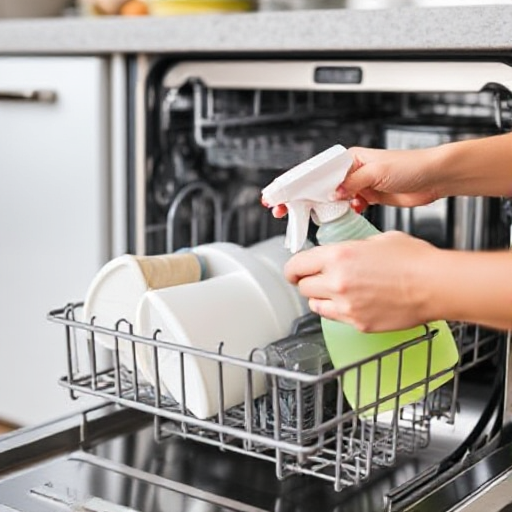
Table of Contents
- Introduction: Why Dishwasher Maintenance is Important
- Common Signs Your Dishwasher Needs Cleaning
- 2.1 Foul Odors and Unpleasant Smells
- 2.2 Poor Cleaning Performance
- 2.3 Water Puddles at the Bottom
- 2.4 Visible Food Particles
- 2.5 Slow Draining
- How to Clean Your Dishwasher
- 3.1 Cleaning the Interior
- 3.2 Cleaning the Spray Arms
- 3.3 Wiping the Door and Seal
- Using Kitchen Oil Cleaner for Deep Cleaning
- Additional Dishwasher Maintenance Tips
- Common FAQs About Dishwasher Cleaning
- Conclusion
Introduction: Why Dishwasher Maintenance is Important
Dishwashers are essential in many modern kitchens. They help save time and effort by automating the dishwashing process, allowing you to focus on other tasks. However, like all appliances, dishwashers require regular maintenance to function properly.
Dirty dishwashers can lead to inefficient cleaning, unpleasant odors, and even potential breakdowns if left unchecked. Therefore, knowing how to maintain your dishwasher and when it requires cleaning is vital for prolonging its lifespan and ensuring optimal performance.
In this guide, we’ll discuss common signs that your dishwasher needs cleaning, how to perform the cleaning yourself, and maintenance tips to prevent future issues.
Common Signs Your Dishwasher Needs Cleaning
Understanding the signs that your dishwasher needs cleaning is the first step in preventing problems and maintaining its efficiency. Here are some of the most common indicators:
2.1 Foul Odors and Unpleasant Smells
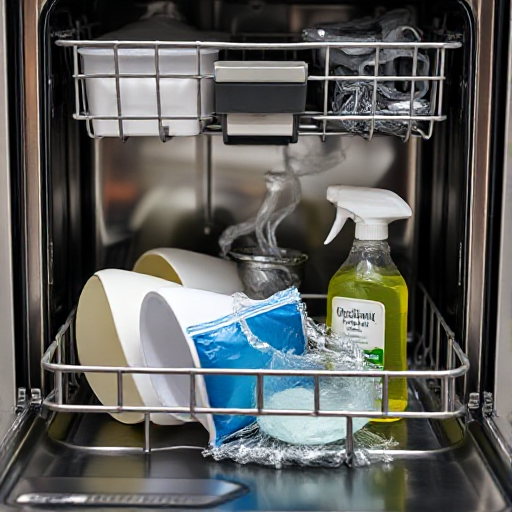
One of the most obvious signs that your dishwasher needs cleaning is foul odors coming from the appliance. Over time, food particles, grease, and soap residue can accumulate inside the dishwasher, creating a breeding ground for bacteria and mold. These contaminants can produce unpleasant smells that will transfer to your clean dishes.
How to fix it: Regular cleaning of the dishwasher’s interior and the use of a high-quality cleaner can help eliminate these odors. Products like Kitchen Oil Cleaner are effective in breaking down oils and grease that contribute to bad smells.
2.2 Poor Cleaning Performance
If your dishwasher isn’t cleaning dishes as well as it used to, this could indicate a buildup of food debris, soap residue, or mineral deposits in the appliance. You might notice dishes are still dirty or have a film on them, even after the wash cycle.
How to fix it: Cleaning the spray arms, filters, and interior walls can help restore the dishwasher’s cleaning performance. Make sure there is no buildup blocking the water flow or spray pattern.
2.3 Water Puddles at the Bottom
If you notice water pooling at the bottom of your dishwasher after a wash cycle, it could be a sign of a clogged drain or a dirty filter. A clogged drain can prevent water from draining properly, causing a buildup of dirty water at the bottom of the appliance.
How to fix it: Clean the drain and filter to ensure there are no obstructions. If water still doesn’t drain properly, check the drainage hose for any kinks or blockages.
2.4 Visible Food Particles
If you notice visible food particles left on the bottom of the dishwasher or on the dishes after a cycle, it is likely that your dishwasher’s filter, spray arms, or drains are clogged with food debris.
How to fix it: Clean out the food trap and filters regularly to prevent buildup. You can also use a cleaning solution to break down and remove any stuck particles.
2.5 Slow Draining
A dishwasher that is draining slowly is another sign that it may need cleaning. Over time, food particles, soap, and grease can build up in the dishwasher’s drain and pipes, leading to slower water drainage.
How to fix it: Clean the dishwasher’s drain filter, spray arms, and interior. If the problem persists, you may need to inspect the drain hose for blockages.
How to Clean Your Dishwasher
Cleaning your dishwasher doesn’t have to be complicated. With a few simple steps, you can ensure that your appliance stays in top shape and functions efficiently.
3.1 Cleaning the Interior
To clean the interior of your dishwasher, follow these steps:
- Empty the Dishwasher: Remove all dishes, utensils, and racks from the dishwasher.
- Clean the Filter: Remove the filter at the bottom of the dishwasher and clean it under running water. Use a soft brush to remove any food particles.
- Clean the Spray Arms: Check the spray arms for clogs. You can use a small object like a toothpick to clear any debris from the spray holes.
- Wipe Down the Walls: Use a damp cloth to wipe down the interior walls of the dishwasher to remove soap residue, dirt, or mildew buildup.
3.2 Cleaning the Spray Arms
The spray arms are responsible for distributing water and detergent throughout the dishwasher. If they are clogged, your dishwasher won’t clean properly. To clean them:
- Remove the spray arms from the dishwasher.
- Use a small brush or a toothpick to clear any debris from the spray holes.
- Rinse the spray arms under warm water to remove any remaining buildup.
3.3 Wiping the Door and Seal
Wipe down the door and rubber seals around the edges of the dishwasher with a damp cloth to remove food particles and soap residue. Be sure to dry the seals to prevent mold growth.
Using Kitchen Oil Cleaner for Deep Cleaning
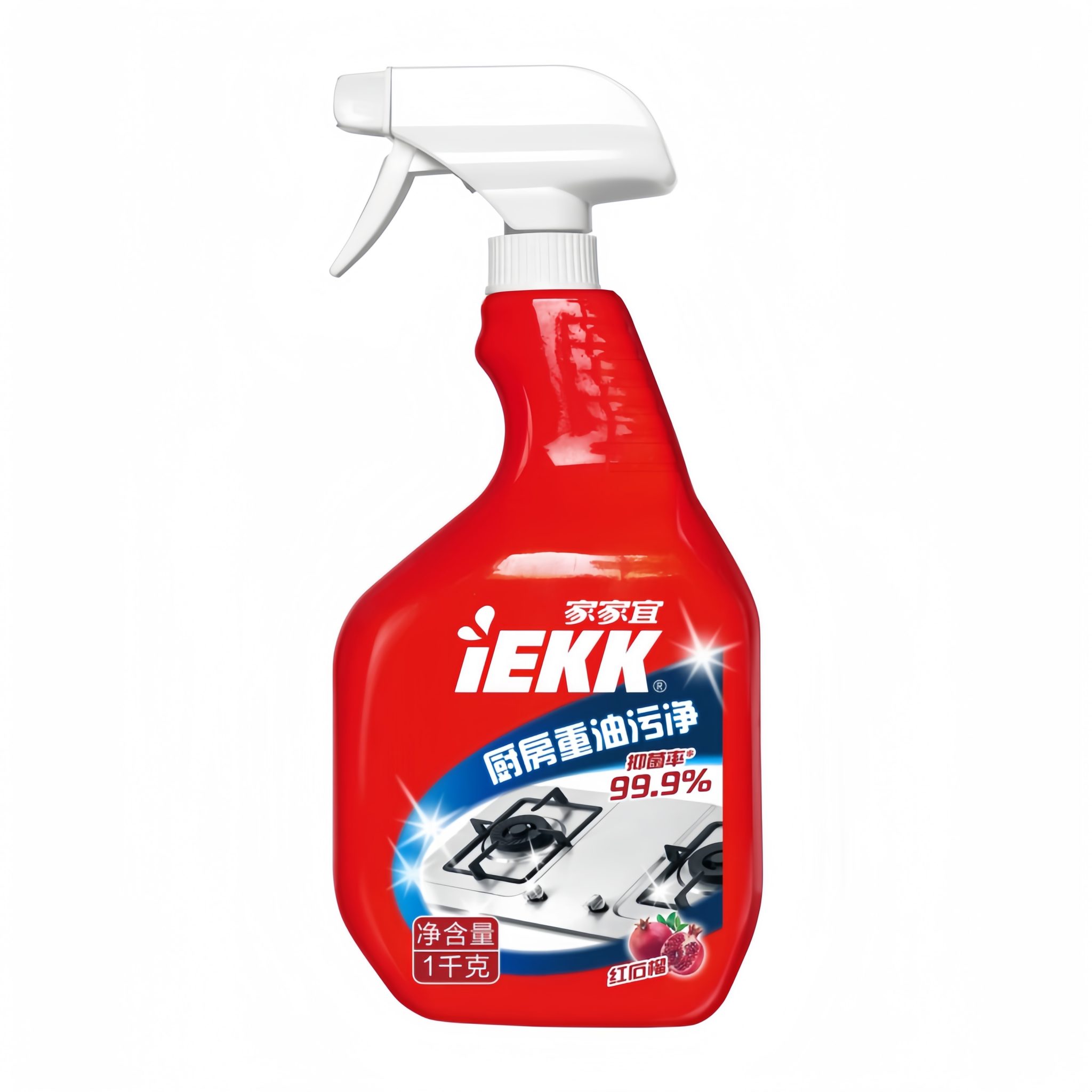
A kitchen oil cleaner, like the Kitchen Heavy Oil Cleaner, can be a highly effective tool for deep cleaning your dishwasher. This powerful cleaner dissolves grease and oil, breaking them down into water-soluble components that are easy to rinse away.
Main Ingredients:
Product Features:
- Rich foam for effective cleaning
- Quick-dissolving formula that penetrates oil layers
- Emulsifies oil into water for easy removal
How to use: Apply the cleaner directly to the dishwasher’s interior, focusing on areas with heavy buildup. Let it sit for a few minutes to allow the formula to dissolve grease and grime, then wipe the surfaces clean with a cloth.
This cleaner can also be used on other kitchen surfaces such as range hoods, gas stoves, countertops, and sinks, making it a versatile solution for kitchen maintenance.
Additional Dishwasher Maintenance Tips
In addition to regular cleaning, following these maintenance tips will help keep your dishwasher in good working order:
- Run Hot Water Before Starting the Dishwasher: Running hot water from the tap before starting your dishwasher helps to activate the cleaning cycle more effectively.
- Use the Right Detergent: Choose a high-quality dishwasher detergent to avoid residue buildup.
- Check the Drain Hose: Periodically check the drain hose for any kinks or blockages.
- Use Dishwasher Cleaner: Use a commercial dishwasher cleaner once a month to remove mineral buildup and improve efficiency.
Common FAQs About Dishwasher Cleaning
1. How often should I clean my dishwasher?
It’s recommended to clean your dishwasher at least once a month to prevent buildup and maintain its efficiency. However, if you notice signs like foul odors or poor cleaning performance, clean it more frequently.
2. Can I use regular cleaning products to clean my dishwasher?
It’s best to use products specifically designed for dishwasher cleaning, like Kitchen Oil Cleaner, as they are formulated to remove grease and grime without damaging the appliance.
3. Why is there water left in the bottom of my dishwasher?
Water left in the bottom of your dishwasher can be caused by a clogged filter, a blocked drain, or issues with the drain hose. Clean the filter and spray arms and inspect the drain for obstructions.
Conclusion
Keeping your dishwasher clean is essential for ensuring that it continues to perform at its best. By recognizing the signs that your dishwasher needs cleaning, you can take action before issues like poor cleaning performance or foul odors become bigger problems. Regular maintenance, including cleaning the spray arms, filters, and interior, will help extend the lifespan of your appliance and keep your dishes sparkling clean.
For tough grease and grime buildup, consider using products like Kitchen Oil Cleaner, which offer powerful decontamination and fast-acting solutions. Regular cleaning and maintenance will not only improve your dishwasher’s efficiency but also enhance your overall kitchen experience.