


The commercial cleaning sector operates within razor-thin profit margins. Whether you manage a large-scale industrial laundry facility, supply retail supermarket networks, or distribute cleaning compounds across emerging regional markets, procurement strategy directly dictates business survival. Many purchasing procurement officers mistakenly treat consumer-tier packaging as an acceptable shortcut during short-term supply pinches, but this approach introduces significant financial waste. Relying on small, standard retail jugs or boxes racks up massive hidden costs in empty plastic weight, localized transport overhead, and manufacturing line transitions. True operational efficiency requires moving past individual consumer habits to embrace direct bulk chemical sourcing.
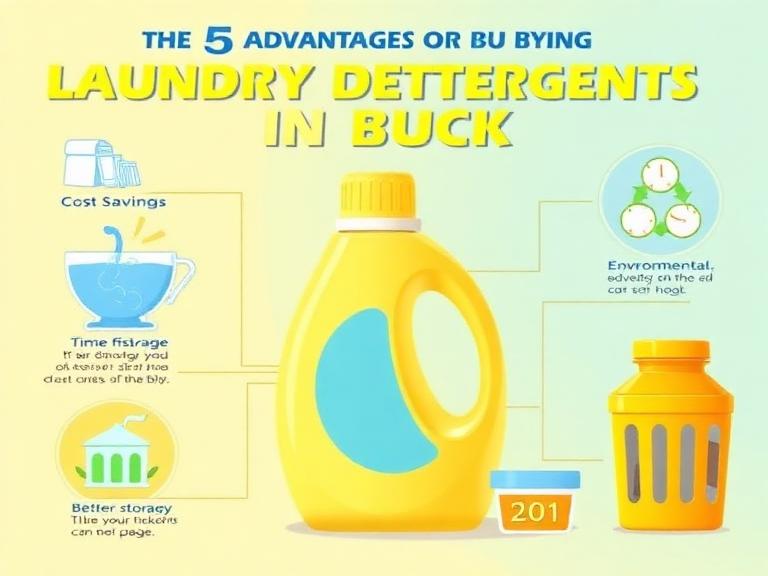
Transitioning to high-volume procurement involves much more than simply allocating extra space in your commercial warehouse. To properly optimize inventory management, procurement teams must analyze the active surfactant concentration, long-term chemical shelf stability, and packaging weight-to-volume ratios. From our experience, failing to optimize these chemical procurement variables results in paying premium shipping rates for unnecessary water content or weak formulations. Sunshine Industrial Corporation is a leading Detergent Manufacturer, with strong technical expertise, cutting-edge equipment, and a commitment to quality. Since 2001, we’ve been providing OEM/ODM services and high-quality detergents to a wide range of markets, including Africa, the Middle East, and South America. Our diverse product lineup caters to various needs and preferences, ensuring you find the perfect solution for your laundry needs. We’re ISO9001 certified, demonstrating our dedication to continuous improvement and customer satisfaction. Whether you’re a large retailer or a small business owner, we’re here to help you succeed. In this definitive engineering review, we break down the 5 critical advantages of buying laundry detergent in bulk to transform your supply chain metrics.
Table of Contents
- 1. Bulk Procurement Economic and Operational Matrix
- 2. Advantage 1: Drastic Reduction in Per-Unit Cost (CPO)
- 3. Advantage 2: Optimization of Supply Chain Logistics and Carbon Footprint
- 4. Advantage 3: Consistency in Chemical Formulation and Cleaning Efficacy
- 4. Advantage 4: Enhanced Scope for Private Label Customization and Branding
- 6. Advantage 5: Shielding Operations from Volatile Chemical Market Inflation
- 7. Engineering Perspective: Active Matter vs. Filler Ratios
- 8. Frequently Asked Questions (FAQs)
- 9. Technical References and Chemical Quality Standards
Bulk Procurement Economic and Operational Matrix
To help guide financial and procurement teams in evaluating bulk chemical sourcing, the overview table below balances standard consumer packages against industrial bulk procurement across core performance metrics.
| Operational Performance Metric | Standard Consumer Retail Sourcing | Industrial Bulk Procurement (Tonne/Container) | Primary Operational Business Benefit |
|---|---|---|---|
| Raw Chemical Cost per kg | High (Includes retail markup & plastic cost) | Minimal (Direct factory floor scale prices) | Immediate expansion of net profit margins |
| Packaging Mass to Product Ratio | Extremely high (Thick molded jugs, individual caps) | Very low (Industrial totes, bulk woven bags) | Eliminates deadweight shipping costs |
| Formulation Stability & Control | Fixed consumer concentrations | Customizable active matter percentages | Tailored performance for target water conditions |
| Logistical Order Frequency | High frequency, localized micro-shipments | Low frequency, scheduled container logistics | Reduces freight processing and dock labor costs |
| Private Label Scalability | Impossible (Locked into external brand rights) | Fully supported via professional OEM/ODM pathways | Enables brand development and market loyalty |
1. Advantage 1: Drastic Reduction in Per-Unit Cost (CPO)
The most immediate and undeniable advantage of sourcing washing compounds at scale is the reduction in cost per kilogram or cost per liter. When purchasing standard supermarket detergents, a massive percentage of your invoice covers the manufacturing, molding, and labeling of the plastic container itself. By shifting toward large-scale chemical sourcing, you effectively eliminate these retail individual packaging costs, focusing your capital expenditures entirely on active raw cleaning chemistry.
For independent brands or institutional buyers looking to benchmark their expenditures against global market pricing, analyzing historical price lists can reveal substantial savings. For instance, reviewing a comprehensive guide on cheap laundry detergents 2025 demonstrates that high-volume sourcing cuts base pricing by up to 40% compared to typical shelf brands. This cost reduction gives large distributors the pricing flexibility needed to capture lower-tier markets while securing solid margins.
2. Advantage 2: Optimization of Supply Chain Logistics and Carbon Footprint
Shipping individual cases of finished cleaning goods requires managing massive amounts of dead space. Rounded plastic jugs do not pack efficiently into sea containers, resulting in wasted freight capacity. Shifting your procurement to industrial packaging types, such as 25kg double-walled woven bags for powders or 1000L Intermediate Bulk Containers (IBCs) for liquids, allows you to maximize shipping weights and utilize every cubic foot of container capacity.
Optimizing these shipping weights reduces your overall transportation frequency, lowering fuel costs and diminishing your operation’s carbon footprint. For large-scale distributors supplying consumer products across Africa or South America, this logistical efficiency can be further improved by coordinating shipments with global manufacturers. Partnering with leading laundry pod manufacturers worldwide allows you to integrate high-density, low-weight cleaning technologies like unit-dose pods directly into your bulk shipping containers, streamlining your supply chain lines.
3. Advantage 3: Consistency in Chemical Formulation and Cleaning Efficacy
When sourcing detergents in small, fragmented batches from various retail suppliers, maintaining consistent cleaning performance becomes incredibly difficult. Standard consumer brands routinely modify their chemical scent profiles, enzyme levels, and filler ratios to manage shifting raw material costs. For industrial users like commercial hospitality laundries, these unexpected formulation changes can lead to inconsistent stain removal and premature fabric wear.
Direct bulk factory sourcing ensures excellent chemical consistency across large production batches. Our ISO9001-certified manufacturing lines ensure that every metric ton of powder or liquid matches precise specifications for active surfactant levels, builder ratios, and optical brighteners. Studying how elite global brands structure their formulas by analyzing the top detergent brands in the world highlights how maintaining rigid quality control parameters is essential for protecting fabric life and building long-term customer trust.
4. Advantage 4: Enhanced Scope for Private Label Customization and Branding
Purchasing pre-packaged consumer goods limits your business to razor-thin retail distribution margins, leaving you vulnerable to sudden price wars. Sourcing bulk cleaning compounds opens up the lucrative world of private label customization via professional OEM/ODM channels. This setup allows you to specify scent profiles, color attributes, enzyme packages, and optical density configurations tailored exactly to your target demographic.
This customization flexibility can easily be extended into other profitable product categories across your distribution network. For instance, a brand can use a manufacturer’s specialized glass cleaner formulation guide to expand their cleaning line into surface care, or study popular international products like the top dishwasher soap brands worldwide to develop specialized automatic dishwashing detergents. Building an independent brand asset secures long-term market equity that external competitors cannot easily compromise.
5. Advantage 5: Shielding Operations from Volatile Chemical Market Inflation
The global chemical market experiences frequent price spikes driven by fluctuations in crude oil pricing, shipping line disruptions, and changing regional regulations on chemical processing. Small-scale buyers feel these price increases immediately, as retail brands pass tracking energy and material surcharges down the line within weeks of a market shift.
Securing high-volume bulk contracts allows large retailers and distributors to lock in steady manufacturing costs for months at a time. This buffer shields your daily operating budgets from sudden inflation spikes, giving your sales teams the pricing consistency needed to secure long-term commercial delivery contracts. Buying in bulk turns your warehouse into a strategic asset, ensuring reliable supply lines when competitors face spot-market shortages.
Engineering Perspective: Active Matter vs. Filler Ratios
To truly understand the value of the advantages of buying laundry detergent in bulk, you must look at how modern laundry compounds are formulated. Cheap, low-tier consumer powders often use high percentages of cheap fillers, like sodium sulfate, to artificially increase the product’s physical volume and weight. While this creates a larger box that appeals to casual shoppers, it forces commercial users to spend extra money shipping inert minerals that add nothing to actual cleaning performance.
When sourcing bulk material directly from our factories, your engineering team can specify high-concentration, compact formulations. Increasing the active anionic and non-ionic surfactant levels while cutting out unnecessary fillers allows you to ship a more potent product. This approach reduces your required dosage per wash load, helping you save on shipping weight while delivering top-tier cleaning results in heavy-duty commercial environments.
For large-scale retail networks and industrial operations scaling up their supply chains, partnering with a dependable, high-capacity partner like a certified global Detergent Manufacturing OEM Group ensures your business can secure steady product volumes while keeping production quality high.
Frequently Asked Questions
What is the typical shelf life of laundry detergent powders and liquids purchased in bulk?
When stored in a dry environment out of direct sunlight, bulk laundry powders maintain full chemical strength for over two years. Bulk liquid detergents have an ideal shelf life of 12 to 18 months; we recommend keeping liquid storage totes sealed to prevent moisture loss and skinning on the surface.
How can an industrial buyer verify the active surfactant concentration of a bulk shipment?
Quality assurance labs verify chemical concentrations using standard technical titration methods, such as the two-phase titration test outlined in ISO 2271. This testing checks the exact percentage of active anionic matter to ensure the product matches the pre-approved master formulation sheet.
Are bulk laundry powders or bulk liquid detergents more cost-effective for international shipping?
From our experience, bulk laundry powders are generally more cost-effective for long-distance international shipping. Powders do not require shipping high percentages of water weight, weigh less overall per cleaning cycle, and face lower risks of leakage during changes in temperature or container pressure.
What is the minimum order quantity (MOQ) for custom private label OEM detergent manufacturing?
While MOQs vary based on specific packaging types and custom formulations, standard automated lines typically require a minimum run of one full 20-foot shipping container (approximately 15 to 20 metric tons) to keep processing efficiency high and minimize line-clearing waste.
Technical References and Chemical Quality Standards
1. ISO 9001:2015 – Quality Management Systems Requirements for Industrial Chemical Formulation and Automated Detergent Manufacturing Plants.
2. ISO 2271: Surface Active Agents – Detergents – Determination of Anionic-Active Matter via Manual or Automated Two-Phase Tititation Procedure.
3. ASTM D5548-13: Standard Guide for Evaluating the Performance of Cleaners and Formulations Designed for Laundering Commercial Textiles.
4. Sunshine Industrial Corporation – Internal Chemical Engineering Research Database on Surfactant Degradation and Thermal Stability Across Tropical Trade Routes.
5. Global Chemical Manufacturing and Packaging Standards: Vigour Group Detergent Manufacturing OEM Platform