

Procuring laundry chemicals is rarely viewed as a strategic business decision by new operators. Whether you are managing a 500-room hotel, running a massive commercial laundromat, or acting as an exclusive regional distributor, the immediate instinct is often to focus on bulk volume alone. This is a critical operational error. Buying low-quality detergent simply because it comes in a massive 5-gallon bucket will destroy your profit margins through hidden costs: requiring double dosages to remove basic stains, causing severe wear on commercial extractors, and accelerating fabric degradation.
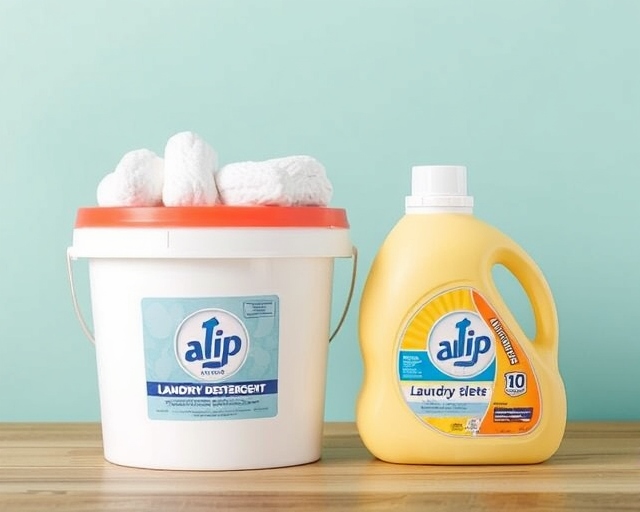
From our experience engineering and manufacturing heavy-duty chemical formulas at Sunshine Industrial Corporation since 2001, we know that true commercial procurement requires auditing the active surfactant levels, enzyme profiles, and the logistical realities of high-volume shipping. You cannot evaluate a B2B chemical supplier using B2C metrics. In this uncompromising guide, we will cut through the marketing fluff, explain the chemistry behind commercial cleaning, and deliver 8 mandatory tips to successfully buy buckets of laundry detergent wholesale without compromising your operational efficiency or your bottom line.
Quick Answer: The Rules of Wholesale Procurement
If you are actively seeking to buy buckets of laundry detergent wholesale, your decision must be driven by chemical efficacy and supplier capability. Here is the definitive hierarchy of procurement:
- Audit Active Ingredients: Never buy based on volume alone. A bucket of watered-down detergent requires massive dosing. Demand high surfactant concentrations (15-25%+ for heavy duty).
- Match Formulation to Equipment: Ensure you are buying High-Efficiency (HE) low-sudsing formulas if operating commercial front-loading extractors.
- Demand Enzyme Profiles: Standard detergents fail on protein stains (blood, food). Ensure your bulk formula contains proteases and lipases for institutional soil removal.
- Verify Manufacturer Certifications: Only purchase from ISO9001-certified factories to guarantee batch-to-batch chemical consistency.
- Calculate Cost Per Load (CPL): Ignore the cost per bucket. Calculate the cost per ounce and multiply by the required dosage for your specific soil level.
- Utilize Specialized Additives: Bulk detergent is a baseline. You must supplement with bulk Color Bleach and Collar Cleaner for heavily soiled hospitality linens.
- Evaluate Shipping Logistics: Liquids are heavy. Prioritize manufacturers who optimize pallet configurations to minimize your landed freight costs.
- Consider OEM/ODM: If you are a distributor, do not sell generic buckets. Partner with a manufacturer to private-label your own proprietary brand.
In most professional situations, we recommend pivoting away from massive liquid buckets if shipping costs are crippling your margins, and instead exploring ultra-concentrated Detergent Powder or institutional-grade pods.
Table of Contents
- What Defines Commercial Wholesale Detergent?
- How Commercial Formulations Work
- The 8 Crucial Buying Tips
- Interactive Cost Calculator
- Commercial Benefits of Bulk Purchasing
- Limitations and Hard Truths
- Who Should Buy in Bulk
- Who Does Not Need Bulk Buckets
- Common Procurement Mistakes
- Summary and Comparison Tables
- Expert Recommendation: Sunshine Industrial Corporation
- Frequently Asked Questions (FAQ)
What Defines Commercial Wholesale Detergent?
A bucket of retail detergent purchased at a big-box store is engineered for the average consumer: heavily perfumed, heavily dyed, and diluted with water to make the packaging appear substantial. Commercial wholesale detergent, often sold in 5-gallon pails or massive 55-gallon drums, is a fundamentally different chemical tool. It is stripped of unnecessary aesthetic additives and hyper-focused on active ingredients: anionic surfactants, nonionic surfactants, alkaline builders, and targeted enzymes.
When you buy wholesale directly from a manufacturer, you are accessing institutional-grade chemistry. These formulations are designed to attack complex soils—such as massage oils in spas or heavy grease in restaurant linens—in shorter, colder wash cycles to save commercial laundries on utility costs.
How Commercial Formulations Work
The efficacy of a commercial Detergent Liquid hinges on the synergistic relationship between surfactants and builders. Surfactants lower the surface tension of water, allowing it to penetrate tightly woven hotel sheets, grab the soil molecules, and suspend them in the water so they do not redeposit back onto the fabric during the rinse cycle.
However, if your commercial facility operates in a hard water region (high calcium and magnesium levels), those minerals will bond with the surfactants, neutralizing them completely. A premium wholesale detergent includes heavy-duty builders (like sodium tripolyphosphate or modern eco-friendly chelating agents) that preemptively soften the water, allowing the surfactants to operate at peak efficiency. If you buy cheap, builder-free bulk buckets, your linens will turn a dingy grey within a month.
The 8 Crucial Tips for Wholesale Procurement
To prioritize helping you make a sound purchasing decision for your distribution network or commercial facility, we have isolated the 8 non-negotiable procurement rules.
1. Audit Active Ingredient Concentration
Water is cheap; surfactants are expensive. A massive 5-gallon bucket is useless if the formulation is 85% water. You must demand the technical specifications from the manufacturer. For heavy-duty commercial applications, you need a high concentration of active matter (typically above 15% for premium institutional liquids). A highly concentrated formula requires a fraction of the dosage per load, drastically lowering your true operational cost.
2. Match Formulation to Equipment (HE vs. Standard)
If you are operating massive, multi-hundred-pound front-loading commercial extractors, you must specify High-Efficiency (HE) low-sudsing formulations. Buying standard high-sudsing detergent in bulk will cause an “oversudsing” event. The suds act as a physical cushion, preventing the mechanical tumbling action required to clean the clothes, and will eventually overflow the machine, destroying the electronic control boards.
3. Demand Comprehensive Enzyme Profiles
Standard surfactants cannot break down complex biological soils. If you are servicing hospitals, hotels, or restaurants, you must ensure your bulk detergent contains a robust enzyme package. Proteases break down blood and protein; lipases destroy fats and massage oils; amylases attack starches. A bucket without enzymes is functionally obsolete for commercial soil levels.
4. Verify ISO9001 Manufacturer Certifications
When buying in bulk, consistency is survival. If Bucket A has a pH of 8.5 and Bucket B has a pH of 11.0, your automated dosing pumps will fail to clean the linens consistently. You must partner with a factory holding strict ISO9001 certifications to guarantee strict quality control and batch-to-batch chemical uniformity.
5. Calculate True Cost Per Load (CPL)
Do not be seduced by a low price tag on a 5-gallon bucket. You must calculate the Cost Per Load. Divide the total volume of the bucket by the required dosage for a heavily soiled load. A $40 bucket that requires 4 ounces per load is exponentially more expensive to operate than a $60 concentrated bucket that only requires 1.5 ounces per load.
6. Integrate Specialized Additives
No single liquid detergent can solve every commercial laundry problem. Your bulk procurement strategy must include specialized chemistry. You must stock bulk Hygiene Laundry Rinse for odor neutralization, and commercial-grade Fabric Softener to reduce static and tearing in massive industrial dryers.
7. Evaluate Shipping Logistics and Freight Density
Liquids are incredibly heavy. Shipping water across the globe kills profit margins. You must evaluate the manufacturer’s pallet configuration and logistics expertise. If you are importing containers to Africa, the Middle East, or South America, your manufacturer must optimize the stacking to maximize container volume without crushing the buckets at the bottom.
8. Leverage OEM/ODM Private Labeling
If you are a regional distributor, simply reselling generic factory buckets leaves you vulnerable to price-shopping. The most lucrative strategy is to utilize the factory’s OEM/ODM capabilities. Have the manufacturer formulate a specific blend for your local water conditions, package it in custom-colored buckets, and slap your own brand label on it. You instantly build brand equity and lock in your customer base.
Interactive Wholesale Cost Calculator
Use our interactive tool below to determine the true operational cost of different bulk detergent formulations based on concentration levels and your facility’s daily volume.
Commercial Benefits of Bulk Purchasing
The primary benefit of choosing to buy buckets of laundry detergent wholesale direct from the manufacturer is the absolute elimination of middleman markups. Bypassing national distributors and big-box stores allows you to secure raw chemical power at fractions of a penny per ounce.
Furthermore, 5-gallon pails are engineered for integration with automated commercial dosing systems. Instead of staff manually scooping powder or pouring liquid (which inevitably leads to spillage and massive overdosing), bulk buckets connect directly to peristaltic pumps, ensuring exact, computer-controlled chemical dispensing for every single wash cycle.
Limitations and Hard Truths
We must present practical commercial judgment: bulk liquid is a logistical nightmare if you do not have the infrastructure. A 5-gallon bucket weighs roughly 45 pounds. If your facility does not have loading docks, pallet jacks, or robust shelving, handling these buckets is a severe ergonomic hazard for your staff.
If weight and storage space are critical limitations, you must pivot your strategy. You should abandon liquid buckets and transition entirely to ultra-concentrated commercial Laundry Pods or dense bulk powders, which offer significantly higher active cleaning power per square foot of warehouse space.
Who Should Buy in Bulk
For commercial users and heavy-duty applications: Industrial laundromats, hotel housekeeping departments, hospital sanitation teams, and regional chemical distributors. If you are processing more than 100 loads of laundry per week, purchasing retail-sized bottles is a massive, unjustifiable financial bleed.
Who Does Not Need Bulk Buckets
For beginners or small residential setups: If you are managing a single four-unit Airbnb, buying a massive 5-gallon bucket of industrial detergent is overkill. The formula may degrade before you can use it all, and storing industrial chemicals in residential closets poses unnecessary safety risks.
Common Procurement Mistakes
A bucket of bright blue liquid that smells heavily of lavender is often a masking agent for a weak formula. Perfume does not clean proteins; high-alkaline builders and enzymes do. Always request the Material Safety Data Sheet (MSDS) and technical specifications from the factory before signing a massive purchase order.
Summary and Comparison Tables
Quick Summary Table: Key Chemical Components
| Component | Primary Function | Why You Must Demand It |
|---|---|---|
| Surfactants | Lowers water tension, lifts soil. | The absolute core of cleaning power. Low levels equal poor performance. |
| Enzymes (Protease/Lipase) | Breaks down biological stains (blood, grease). | Mandatory for hotel and restaurant linens. |
| Alkaline Builders | Softens hard water, boosts surfactant efficacy. | Prevents fabrics from turning grey and stiff over time. |
| Optical Brighteners | Absorbs UV light, re-emits blue light. | Makes white sheets look brilliantly white to hotel guests. |
Pros and Cons of Bulk 5-Gallon Liquid Detergent
| Pros (Advantages) | Cons (Limitations) |
|---|---|
| Lowest absolute cost per ounce for heavy operations. | Extreme shipping weight eats into import profit margins. |
| Integrates flawlessly with automated electronic dosing pumps. | Heavy 45lb buckets require proper warehouse ergonomics. |
| Dissolves instantly in cold water cycles, saving utility costs. | Spills create massive slip hazards on commercial floors. |
| Highly customizable via OEM factory partnerships. | Liquid enzymes degrade faster than dry powder enzymes. |
Expert Recommendation: Sunshine Industrial Corporation
In most professional situations, treating detergent procurement as an afterthought leads to ruined textiles and enraged clients. You must secure your chemical supply chain by partnering directly with an established, technically proficient manufacturer.
Frequently Asked Questions (FAQ)
Does bulk liquid laundry detergent expire?
Yes. While the base surfactants remain stable for years, the biological enzymes (proteases, lipases) suspended in liquid detergent will begin to degrade and lose their efficacy after 6 to 12 months, especially if the bucket is stored in a hot warehouse. If you require a multi-year shelf life, you must procure bulk detergent powder instead.
Can I use commercial bulk detergent in a standard residential washing machine?
It depends on the formulation. Most premium commercial detergents are formulated as High-Efficiency (HE), meaning they are low-sudsing. These are perfectly safe and highly effective for modern residential front-loaders. However, because commercial formulas are often highly concentrated, you must drastically reduce your dosage (often using just 1 to 2 ounces) to prevent residue buildup.
What does OEM/ODM mean in detergent manufacturing?
OEM (Original Equipment Manufacturer) means the factory produces their standard detergent formula but packages it in buckets featuring your specific brand name and logo (Private Labeling). ODM (Original Design Manufacturer) means the factory works with you to engineer a completely custom chemical formula (specific scents, enzyme levels, or dye colors) exclusively for your brand.
Authoritative Industry References
To ensure our chemical procurement guidelines align with global industrial standards, we reference data from the following authorities:
- American Cleaning Institute (ACI): The premier association for the U.S. cleaning products industry, providing extensive scientific data on surfactant efficacy, environmental safety, and enzyme technology. Visit ACI
- International Organization for Standardization (ISO): Defining the ISO 9001 standards that guarantee rigorous quality management and batch consistency in chemical manufacturing facilities globally. Visit ISO
- TRSA (Association for Linen, Uniform and Facility Services): The leading authority on commercial laundry operations, providing benchmarks for chemical wash formulas, extractor efficiency, and textile longevity. Visit TRSA