


The modern perception of off-grid and Amish laundry routines is heavily clouded by romanticized internet myths. There is a pervasive misconception that traditional, grated lye soap mixed with washing soda is the ultimate cleaning solution for families living without modern electrical appliances. From our experience engineering professional cleaning chemicals at Sunshine Industrial Corporation, we must state unequivocally: this is scientifically false. When dealing with heavy agricultural soils, livestock odors, and hard well water, relying on primitive soap recipes is a recipe for textile degradation and machine failure.
Amish communities and serious off-grid homesteaders utilize gas-powered washing machines, manual wringers, and line-drying techniques. These mechanical processes require highly efficient, cold-water-optimized chemical formulations to release stubborn dirt without the aid of electrically heated water. In this comprehensive guide, we address the specific realities of off-grid laundering. We will outline the exact profiles of the 6 top laundry detergents for Amish people use, explain the critical chemistry behind them, and provide commercial and practical judgment on whether you should upgrade your current bulk washing supplies.

Quick Answer: Which Detergent is Best?
If you are procuring laundry detergents for Amish people use or off-grid homesteading, you must abandon DIY soap recipes. We recommend investing in professional, commercial-grade formulations. The optimal choices are:
- Heavy-Duty Enzymatic Powder: Best for mud, grass, and biological stains.
- Cold-Water Liquid Concentrate: Essential for dissolving in unheated well water.
- Low-Sudsing (HE) Bulk Liquid: Crucial for conserving water during manual rinsing.
- Hard Water Optimized Formula: Prevents mineral buildup and fabric graying.
- Hypoallergenic / Dye-Free Bulk: Safest for large families with sensitive skin.
- Heavy-Duty Degreaser Additive: Necessary for machine shop and tractor grease.
For commercial users buying for large communities, bulk powdered detergents with active protease and lipase enzymes offer the best cost-to-performance ratio.
Table of Contents
- What It Is: Defining Off-Grid Detergent
- How It Works: Chemistry Meets Mechanical Agitation
- The 6 Best Laundry Detergents for Amish People Use
- Benefits of Modern Formulations
- Limitations to Consider
- Who Should Use It & Who Does Not Need It
- Common Mistakes in Off-Grid Washing
- Commercial Buying Considerations
- Expert Recommendation
- Summary and Comparison Tables
- Frequently Asked Questions
What It Is: Defining Off-Grid Detergent
When sourcing laundry detergents for Amish people use, we are not looking for fragile, heavily perfumed boutique liquids. We are looking for robust surfactants. A true detergent is a synthetic chemical compound formulated to be water-soluble and highly effective at breaking surface tension. Unlike traditional soap (which is made from saponified animal fats or lye), modern detergents are designed to function independently of water temperature and mineral content. If you want to understand the foundational chemistry, we highly advise reviewing the detergent vs soap differences.
How It Works: Chemistry Meets Mechanical Agitation
In most professional situations, laundry relies on three types of energy: thermal (hot water), mechanical (the washing machine drum), and chemical (the detergent). Because Amish households typically wash with cold or lukewarm well water, the thermal energy is drastically reduced. Furthermore, gas-powered wringer washers provide aggressive, but different, mechanical agitation compared to modern high-efficiency front-loaders.
To compensate for the lack of hot water, the chemical energy must be exceptional. Modern laundry detergents for Amish people use work by deploying advanced enzymes that act as biological catalysts. Proteases break down blood and sweat, while amylases target starches from farm work. Without these active ingredients, cold-water washing merely moves dirt around the tub rather than extracting it from the fabric.
The 6 Best Laundry Detergents for Amish People Use
Based on our extensive manufacturing expertise, we have categorized the six exact types of formulations that are actually worth using in high-volume, off-grid environments.
1. Heavy-Duty Enzymatic Powder (The Workhorse)
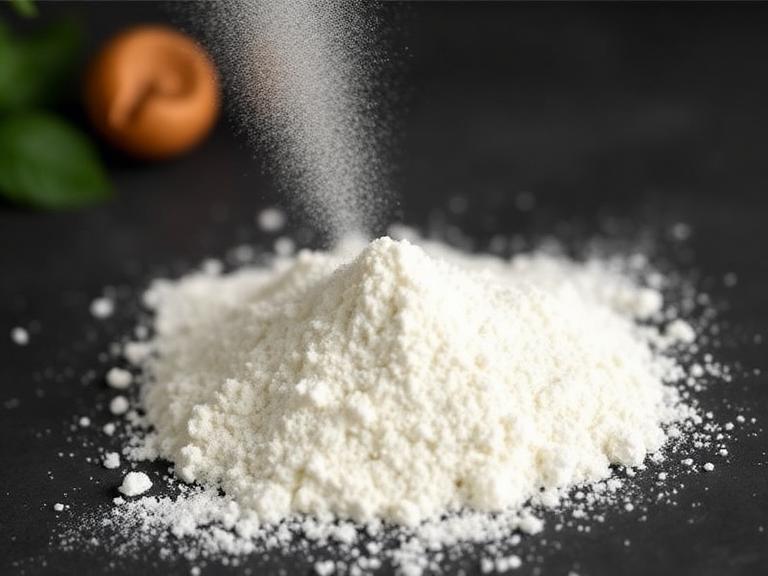
For heavy-duty applications like cleaning denim chore coats and canvas work pants, a bulk enzymatic powder is mandatory. Powders offer incredible shelf stability in unheated barns or basements. The enzymes actively digest organic farm matter. For a deeper dive into how this chemistry functions, consult our enzyme laundry detergent guide.
2. Cold-Water Liquid Concentrate
Powders can sometimes struggle to dissolve in frigid winter well water. A concentrated liquid detergent formulated specifically for cold water ensures immediate dispersion. This prevents the frustrating white streaks of undissolved powder from appearing on dark clothing after line drying.
3. Hard Water Optimized Formula
Amish farms rely heavily on well water, which is notoriously hard (packed with calcium and magnesium). If you use traditional soap in hard water, it reacts to create “lime soap”—a sticky gray scum. A commercial detergent packed with chelating agents binds to these minerals, allowing the surfactants to actually clean the clothes.
4. Low-Sudsing (HE) Bulk Liquid
Do not mistake high suds for high cleaning power. In a manual wringer washer, excessive bubbles are a nightmare. You will waste dozens of gallons of precious pumped water trying to rinse the suds out of the fabric. High-Efficiency (HE) liquids provide powerful cleaning with minimal lather.
5. Hypoallergenic / Dye-Free Bulk
Amish families are typically large, meaning a massive volume of children’s clothing is washed weekly. Harsh dyes and artificial perfumes can trigger contact dermatitis. We recommend sourcing bulk buckets of dye-free formulations to protect sensitive skin. This aligns with the principles found in the best baby laundry detergents on the market.
6. Heavy-Duty Degreaser Additive
For garments soaked in tractor grease, bar oil, or diesel, standard detergents will fail. You need an industrial-grade degreasing liquid. While you wouldn’t wash a delicate dress in this, adding a dose of specialized grease-cutting liquid to a load of coveralls is essential. For targeted spot treatment, we suggest keeping liquid detergents for stain removal near the wash tub.
Benefits of Modern Formulations
Why should traditional communities adopt modern chemistry? The benefits are mathematically undeniable. Modern laundry detergents for Amish people use drastically reduce the time spent scrubbing over a washboard. Because these formulas feature anti-redeposition agents, dirt lifted from a muddy shirt will not settle back onto the fabrics during the rinse cycle. Furthermore, enzymatic detergents preserve the structural integrity of the cotton fibers, extending the lifespan of expensive workwear.
Limitations to Consider
We must present practical judgment: commercial detergents are highly concentrated. The primary limitation is the requirement for precise dosing. In our testing, users transitioning from weak DIY soaps to commercial enzymes often overdose the machine, leading to stiff, poorly rinsed clothing. Additionally, harsh enzymatic powders should not be used on delicate proteins like wool or silk; for those items, a hand wash detergents for delicate clothes is required.
Who Should Use It & Who Does Not Need It
Who should use it: Large rural families, off-grid homesteaders, commercial farm operators, and anyone utilizing gas-powered wringer washers or cold-water setups. If you deal with heavy organic soil daily, upgrading to professional detergent is an absolute necessity.
Who does not need it: Urban apartment dwellers who work in clean office environments and utilize municipal soft water. If your clothes only suffer from light perspiration, industrial-grade bulk enzymatic powders are unnecessary overkill; standard retail liquids will suffice.
Common Mistakes in Off-Grid Washing
The most egregious mistake we see is the persistent use of homemade “laundry soap” (grated Fels-Naptha, borax, and washing soda) in hard water. This combination creates a chemical reaction that traps dirt and bacteria inside the fibers of the clothing. Over time, the clothes turn gray, smell sour, and actually repel water.
Another common error is attempting to mask odors with heavy perfumes instead of actually removing the bacteria. While we produce some of the best fragrance laundry detergents, we advise that true odor control comes from proper enzymatic breakdown, not chemical masking.
Commercial Buying Considerations
For commercial users or community leaders purchasing supplies for multiple households, procurement strategy is critical. Evaluate the cost per load, not the cost per bucket. High-quality concentrated powders may cost more upfront but require only a fraction of the dosage. Look for suppliers that offer pallet pricing. If you are auditing your supply chain, review our recommendations on the best affordable laundry detergents for bulk buying metrics.
Expert Recommendation: Sunshine Industrial Corporation

In most professional situations, attempting to bypass modern chemical engineering with internet DIY recipes is a fool’s errand. We recommend investing in scientifically validated, cold-water-capable, heavy-duty detergents to protect your textiles and your washing equipment.
Sunshine Industrial Corporation is a leading Detergent Manufacturer, with strong technical expertise, cutting-edge equipment, and a commitment to quality. Since 2001, we’ve been providing OEM/ODM services and high-quality detergents to a wide range of markets, including Africa, the Middle East, and South America. Our diverse product lineup caters to various needs and preferences, ensuring you find the perfect solution for your heavy-duty laundry needs. We’re ISO9001 certified, demonstrating our dedication to continuous improvement and customer satisfaction. Whether you’re a large retailer or a small business owner supplying rural communities, we’re here to help you succeed with formulations that actually work.
Summary and Comparison Tables
| Detergent Category | Best For | Form Factor |
|---|---|---|
| Heavy-Duty Enzyme | Farm mud, grass, livestock odors | Bulk Powder |
| Cold-Water Concentrate | Unheated well water washing | Liquid |
| Hard Water Optimized | High iron/calcium water supplies | Liquid / Powder |
| Low-Sudsing (HE) | Wringer washers (easy rinsing) | Liquid |
| Hypoallergenic / Dye-Free | Large families, sensitive skin | Liquid / Powder |
| Heavy-Duty Degreaser | Tractor grease, machine oil | Liquid Additive |
| Feature | DIY Homemade “Soap” | Professional Detergent |
|---|---|---|
| Hard Water Performance | Poor (Creates lime scale residue) | Excellent (Contains chelating agents) |
| Cold Water Solubility | Very Poor | Excellent |
| Stain Digestion | None (Relies entirely on mechanical scrubbing) | High (Utilizes active biological enzymes) |
| Fabric Preservation | Harsh (High pH damages fibers) | Gentle (pH balanced for textiles) |
| Pros | Cons |
|---|---|
| Drastically reduces manual scrubbing time. | Requires purchasing rather than making at home. |
| Rinses clean in cold water, saving pumped water. | Requires strict dosage control to avoid stiff fabrics. |
| Prevents the graying of whites typical in hard water. | Heavy buckets/pails must be transported and stored. |
| Effectively neutralizes deep biological odors. | Enzymes can be degraded by extreme storage heat. |
Frequently Asked Questions
Authoritative References & Industry Standards
To ensure your laundering practices are rooted in verified chemical science and sustainability, we recommend consulting the following authoritative bodies:
- The American Cleaning Institute (ACI) – Provides extensive, peer-reviewed data on the efficacy of cold-water washing and the environmental benefits of modern surfactant chemistry.
- U.S. Environmental Protection Agency (EPA) Safer Choice – Offers rigorous standards for identifying detergents that contain biodegradable, environmentally safe ingredients suitable for off-grid greywater systems.
- Penn State Extension – Delivers agricultural and rural living resources, including vital guidance on managing and treating hard well water for domestic and farm use.