


The household cleaning market is undergoing a massive shift. Consumers are no longer blindly loyal to legacy conglomerates; instead, they are actively seeking niche, eco-friendly, hypoallergenic, or premium-scented laundry solutions. If you are an entrepreneur, a boutique hotel chain, or a lifestyle influencer, you have likely wondered how to private label laundry detergent to capture a slice of this highly lucrative market.
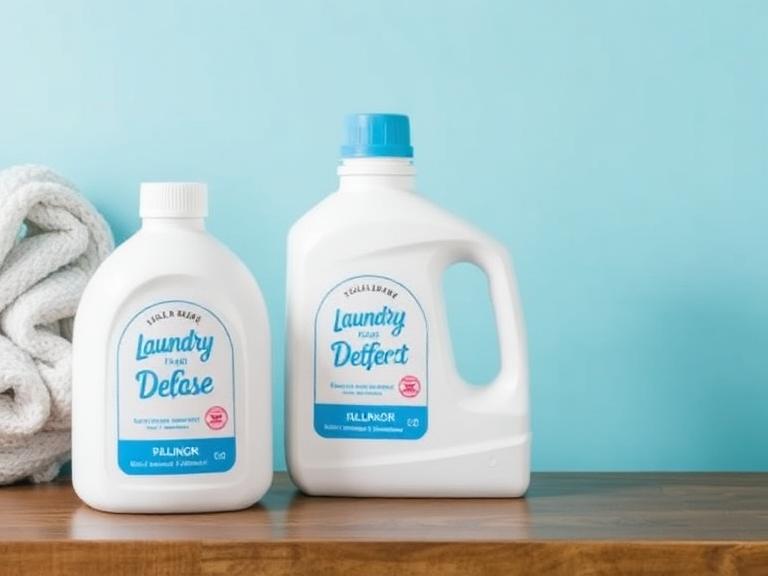
From our experience as a leading manufacturer in the chemical formulation industry, launching a detergent brand is not about inventing a new chemical compound in your garage. It is an exercise in strategic sourcing, brand positioning, and supply chain management. Attempting to formulate and mix industrial surfactants without commercial equipment is a guaranteed path to product failure and regulatory fines. In most professional situations, the only viable path to market is partnering with an established OEM (Original Equipment Manufacturer).
In this guide, we will answer the search intent directly, breaking down the exact steps, costs, and commercial realities of private labeling laundry products. We will help you navigate the crucial differences between formats, avoid amateur mistakes, and make a confident decision about your manufacturing partner.
Quick Answer: How to Private Label Laundry Detergent?
To private label laundry detergent, you must partner with an established contract manufacturer (OEM) who possesses existing, tested, and compliant chemical formulations. The process involves five steps: 1) Selecting your product format (powder, liquid, or pods); 2) Choosing a stock formula based on your target market (e.g., eco-friendly, heavy-duty, or baby-safe); 3) Selecting fragrances and packaging; 4) Supplying your custom brand artwork for the labels; and 5) Meeting the manufacturer’s Minimum Order Quantity (MOQ) for production. By using a private label model, you skip the costly R&D phase and proceed directly to retail distribution.
Table of Contents
- 1. Quick Summary Table: Private Label vs. Custom Formulation
- 2. What is Private Labeling and How Does It Work?
- 3. The Commercial Benefits of Private Labeling
- 4. The Severe Limitations and Risks
- 5. Pros and Cons Table: Sourcing Models
- 6. Who Should Private Label (And Who Should Not)
- 7. Common Mistakes Brand Owners Make
- 8. Comparison Table: Powder vs. Liquid vs. Pods
- 9. Buying Guide: How to Select a Detergent Manufacturer
- 10. Expert Recommendation from Sunshine Detergent Manufacturer
- 11. Frequently Asked Questions (FAQ)
- 12. Authoritative References
1. Quick Summary Table: Private Label vs. Custom Formulation
Before launching a brand, you must decide your manufacturing route. Here is a high-level overview of how private labeling compares to custom contract manufacturing.
| Feature | Private Label (White Label) | Custom Formulation (Contract Manufacturing) |
|---|---|---|
| Formula Ownership | Manufacturer owns the formula. | You own the formula (Intellectual Property). |
| Speed to Market | Very fast (4 to 8 weeks). | Very slow (6 to 12 months for R&D and stability testing). |
| Minimum Order Quantity (MOQ) | Low to Moderate (Typically 1,000 – 5,000 units). | Very High (Often 10,000+ units or raw material minimums). |
| Upfront Costs | Low (Only pay for product and packaging). | High (Tens of thousands in R&D, lab testing, and compliance). |
2. What is Private Labeling and How Does It Work?
Private labeling means purchasing a pre-formulated, pre-tested product from a manufacturer and applying your own brand name, logo, and packaging to it. You are not inventing a new product; you are purchasing a commercial-grade cleaning agent that has already passed stability and efficacy testing.
The core of any laundry product relies on specific chemical interactions. Understanding the detergent vs soap differences is critical here. Unlike traditional soap, modern detergents rely on synthetic surfactants, chelating agents (to combat hard water), enzymes (to break down proteins and fats), and optical brighteners (to make whites appear whiter). When you private label, the manufacturer has already balanced these highly sensitive chemical ratios.
Your job as the brand owner is to select the base formula that matches your brand ethos, choose a complementary fragrance profile, design the outer packaging, and handle the marketing and distribution.
3. The Commercial Benefits of Private Labeling
We recommend the private label route for 95% of new entrants into the cleaning space. The commercial benefits are undeniable.
- Elimination of R&D Costs: Formulating a stable liquid detergent requires a team of chemists. Testing for extreme temperatures, shelf life, and fabric safety costs tens of thousands of dollars. Private labeling bypasses this entirely.
- Regulatory Compliance: Cleaning chemicals require Material Safety Data Sheets (MSDS) and must adhere to strict environmental guidelines. A reputable manufacturer already holds these certifications for their stock formulas.
- Agility: You can launch a brand in a matter of weeks, allowing you to capitalize on rapid consumer trends, such as the sudden demand for ultra-concentrated formulas or specific botanical scents.
4. The Severe Limitations and Risks
Despite the ease of entry, there are significant commercial limitations. Because you do not own the formula, you cannot patent it. If your product goes viral, a competitor can theoretically go to the exact same manufacturer, select the exact same base formula, slap their label on it, and compete with you directly.
Furthermore, competing on price alone is a fatal strategy. If you try to position your private label brand among cheap laundry detergents 2025, you will be crushed by multinational giants who possess economies of scale that you cannot match. Your brand must compete on niche appeal, superior branding, unique packaging, or highly targeted marketing.
5. Pros and Cons Table: Sourcing Models
| Pros of Private Labeling | Cons of Private Labeling |
|---|---|
| Requires drastically less startup capital. | Zero intellectual property ownership of the liquid/powder. |
| Guaranteed product stability and shelf-life. | High risk of identical products existing in the market. |
| Allows founders to focus 100% on marketing. | Margin squeezing if manufacturer raises base prices. |
| Low MOQs allow for split testing different fragrances. | Limited ability to make microscopic adjustments to the formula. |
6. Who Should Private Label (And Who Should Not)
For commercial users and startup founders: If you run a boutique hotel, a chain of high-end gyms, or possess a large social media following in the home-organization niche, private labeling is the perfect way to monetize your audience with a high-margin consumable product.
Who does not need it: If your entire business model relies on a proprietary, patented chemical invention (e.g., a fundamentally new way to break down grease using genetically modified enzymes), you cannot use a private label model. You must invest in custom formulation. Additionally, if your goal is simply to undercut the top detergent brands in the world on price at a local supermarket, this strategy will fail.
7. Common Mistakes Brand Owners Make
From our experience auditing failed brands, several recurring mistakes occur during the sourcing phase:
- Ignoring Packaging Compatibility: Not all plastics can hold highly concentrated surfactants. Some formulas will cause cheap PET bottles to collapse or leak over time. Always use the manufacturer’s recommended packaging.
- Failing to Test for Niches: If you are marketing to mothers, you cannot use heavy, synthetic perfumes. You must select a specific formula, often researching the best baby laundry detergents to understand the need for hypoallergenic, dye-free stock options.
- Underestimating Freight Costs: Liquid detergent is mostly water, which means it is incredibly heavy. Shipping liquid internationally or across the country will destroy your profit margins if you do not calculate freight into your landed cost analysis.
8. Comparison Table: Powder vs. Liquid vs. Pods
Your choice of product format dictates your manufacturing partner. Not all factories can produce pods, as they require specialized, climate-controlled encapsulation machinery. If you are leaning toward pods, you must research dedicated laundry pod manufacturers worldwide.
| Product Format | Manufacturing Complexity | Shipping Economics | Consumer Perception |
|---|---|---|---|
| Powder Detergent | Low (Easy to mix and package) | Excellent (Lightweight, no water weight) | Viewed as traditional, highly effective, economical. |
| Liquid Detergent | Moderate (Requires precise blending) | Poor (Heavy, prone to leaking in transit) | The standard expectation for premium brands. |
| Laundry Pods | High (Requires PVA film encapsulation) | Good (Concentrated, lightweight) | High convenience, premium price point, modern. |
9. Buying Guide: How to Select a Detergent Manufacturer
When interviewing potential OEM partners to learn how to private label laundry detergent effectively, you must demand transparency. Ask these critical questions:
- What is the MOQ per SKU? If you want to launch three different scents, does the MOQ apply per scent or to the total order?
- Are your formulas color-safe? You must ensure the base formula does not use aggressive bleaching agents that ruin fabrics. Refer to the color safe detergent guide 2026 for baseline standards.
- Can I customize the fragrance load? Standard detergents use a 0.5% to 1% fragrance load. Premium boutique brands often push this to 1.5% or 2%. Reviewing the best fragrance laundry detergents will show that scent is the primary driver of customer retention.
- Do you provide full compliance documentation? You cannot sell legally without a proper SDS (Safety Data Sheet).
10. Expert Recommendation from Sunshine Detergent Manufacturer
At Sunshine Detergent Manufacturer, we specialize in providing turnkey OEM solutions for brands demanding commercial-grade efficacy. Our formulations are engineered to perform in all water temperatures and conditions.

Custom Detergent Powder OEM Wholesale/Bulk
Engineered for brand owners who require a heavy-duty, highly soluble cleaning agent. Our powder formulations are fully customizable in terms of packaging and fragrance, providing a perfect foundation for your private label business.
- Package Size: Highly scalable from 15g sachets up to 25kg bulk woven bags.
- Main Ingredients: Premium surfactant active matter, buffering agents, anti-deposition agents, chelating agents, neutralizers, optical brighteners, and builders.
- Top Fragrances: Lemon, Floral, and Lavender (custom scent matching available).
- Performance Features: Super decontamination ability; easy to rinse with no residue left; suitable for both hand and machine wash; effective in cold, normal, and warm water.
- Formulation Options: Available in both phosphorus-free and traditional phosphorus formulas depending on your local regulatory requirements.
11. Frequently Asked Questions (FAQ)
How much does it cost to start a private label laundry detergent brand?
Startup costs typically range from $5,000 to $15,000 depending on the manufacturer’s Minimum Order Quantity (MOQ) and your packaging choices. This covers the initial product run, label design, and shipping, but excludes your marketing and legal setup costs.
Can I claim my private label detergent is “Eco-Friendly”?
Only if the base formula provided by the manufacturer actually meets ecological standards (such as being biodegradable, phosphate-free, and free of optical brighteners). You cannot make environmental claims without the manufacturer providing the necessary chemical documentation to back it up.
Do I need a special license to sell private label detergent?
Generally, no special chemical license is required to sell retail detergent, provided you are using an established manufacturer. However, you must comply with local labeling laws, maintain proper Safety Data Sheets (SDS), and ensure your packaging includes required consumer safety warnings.
What is the profit margin on private label laundry detergent?
Profit margins typically range from 40% to 70% gross margin. Boutique brands that sell at a premium price point (e.g., $25 for a specialized baby detergent) enjoy much higher margins than those trying to compete with mass-market grocery store brands.
12. Authoritative References
To ensure your private label journey adheres to industry standards and safety regulations, we advise consulting the following authoritative bodies:
- American Cleaning Institute (ACI) – The primary trade association for the U.S. cleaning products industry, providing extensive resources on product safety, formulation standards, and sustainability.
- U.S. Environmental Protection Agency (EPA) Safer Choice – Guidelines and certification processes for formulating and identifying products with safer chemical ingredients.
- International Organization for Standardization (ISO) – Essential for verifying your chosen OEM manufacturer adheres to global quality management standards, specifically ISO 9001.