


Understanding the proper laundry detergent for Amish people requires a distinct departure from modern, urbanized laundering concepts. In communities that operate entirely off the grid, standard washing routines are replaced by diesel- or gas-powered wringer washers, cold-water well sourcing, and line-drying techniques. From our experience manufacturing industrial-grade cleaning solutions, the heavily marketed, ultra-concentrated liquid pods found in suburban supermarkets are fundamentally inadequate for the profound agricultural soiling that Amish families face daily.

Amish clothing is subjected to intense environmental exposure—including diesel grease, livestock manure, heavy clay soils, and sawdust. To effectively strip these contaminants from durable fabrics like denim, broadcloth, and heavy cotton, a detergent must possess exceptional surfactant capabilities and alkaline builders. In this comprehensive guide, we will leverage our commercial and practical judgment to evaluate the top five detergents utilized within Amish communities and off-grid homesteads. We will explain not only what these products are but whether it is actually worth using, buying, or upgrading your current laundry regimen to match these heavy-duty standards.
Quick Answer: What is the Best Laundry Detergent for Amish People?
The optimal laundry detergent for Amish people relies on bulk availability, robust grease-cutting power, and compatibility with cold-water wringer washers. The top 5 choices include:
- Traditional Homemade Lye Soap: Handcrafted using rendered animal fats or vegetable oils and lye, prized for its raw cleaning power.
- Fels-Naptha and Zote Bar Soaps: Commercial heavy-duty laundry bars grated into wash water for intense stain removal.
- Borax and Washing Soda Blends: A foundational mineral mix used to soften hard well water and boost the alkalinity of the wash.
- Heavy-Duty Commercial Bulk Powders: Sourced in large 50-pound boxes from manufacturers like Sunshine Industrial Corporation, offering economical, high-surfactant cleaning without unnecessary fillers.
- Plant-Based and Enzyme Powders: Specifically formulated to break down organic matter like blood, grass, and manure without degrading fabric longevity.
We recommend pairing a grated laundry bar with a heavy-duty bulk powder to achieve the necessary mechanical and chemical agitation required for agricultural garments.
Table of Contents
- What It Is: The Mechanics of Off-Grid Laundry
- How It Works: Chemistry and Agitation
- The Top 5 Laundry Detergents for Amish Use
- Benefits and Limitations
- Who Should Use It & Who Does Not Need It
- Common Mistakes in Off-Grid Laundering
- Buying Considerations
- Expert Recommendation
- Frequently Asked Questions (FAQ)
What It Is: The Mechanics of Off-Grid Laundry
Before evaluating the chemical composition of a specific detergent, one must understand the physical environment in which it operates. A laundry detergent for Amish people must function efficiently in a wringer washing machine. Unlike modern front-loading or top-loading electric machines, wringer washers utilize a central motorized agitator to violently force water through garments. Following the wash cycle, clothes are manually guided through two heavy rubber rollers to squeeze out excess moisture before being hung on a clothesline.
Because Amish households generally rely on well water, which is notoriously “hard” due to high concentrations of calcium and magnesium, the chosen detergent must contain potent water softeners (builders). Without these builders, the soap molecules will bind to the minerals rather than the dirt, leaving a gray, dingy residue on clothing. Furthermore, because water is often heated via a wood-burning stove rather than an instantaneous electric water heater, the detergent must be highly soluble in cold or lukewarm water to prevent powdery residue from accumulating on dark fabrics.
How It Works: Chemistry and Agitation
In most professional situations, laundering heavily soiled agricultural clothing requires a high-pH (alkaline) environment. Alkalinity causes fabric fibers to swell, allowing surfactants to penetrate deeply and lift trapped particulate matter. When an Amish homemaker formulates a washing solution, they are actively managing this chemical balance.
The mechanical action of the wringer washer’s agitator provides the kinetic energy necessary to break the bonds between the soil and the fabric. The detergent’s primary job is to suspend that soil in the water so it does not redeposit onto the clothing. This is why many traditional recipes incorporate a liquid detergents for stain removal as a pre-treatment for heavy grease stains on knees and elbows before the garments ever enter the wash tub.
The Top 5 Laundry Detergents for Amish Use
1. Traditional Homemade Lye Soap
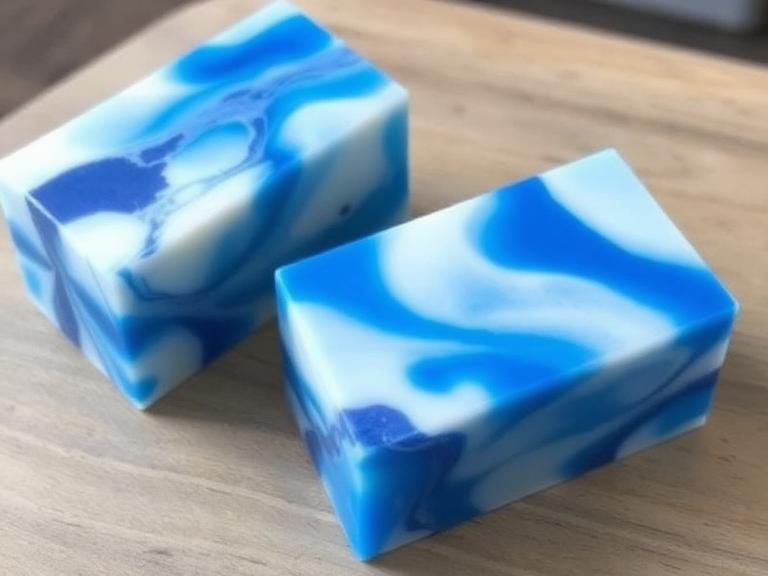
For centuries, the foundation of off-grid cleaning has been homemade soap. Through the chemical process of saponification, lye (sodium hydroxide) is combined with rendered animal tallow or plant oils. This creates a hard, highly alkaline bar of soap. Amish families will grate these bars directly into the washing tub. While it lacks the synthetic brighteners found in commercial products, its raw ability to obliterate heavy grease is virtually unmatched. For beginners looking to replicate this off-grid lifestyle, understanding proper lye safety is paramount.
2. Fels-Naptha and Zote Bar Soaps
When homemade soap is unavailable, commercial heavy-duty laundry bars are the preferred alternative. Fels-Naptha and Zote are iconic in off-grid communities. They contain powerful stain-lifting properties and are highly economical. Homemakers will often melt these bars down and mix them with water to create a viscous, highly concentrated liquid soap. This method is incredibly effective for spot-treating ground-in dirt on heavy canvas trousers.
3. Borax and Washing Soda Blends
Sodium tetraborate (Borax) and sodium carbonate (Washing Soda) are not standalone detergents, but they are indispensable laundry boosters in the Amish washhouse. Because well water is typically hard, these mineral powders are added directly to the wash water to precipitate out calcium and magnesium. This “softens” the water, allowing the actual soap to function at maximum efficiency. It acts as a rudimentary, yet highly effective, non toxic laundry detergents guide strategy.
4. Heavy-Duty Commercial Bulk Powders
Sunshine Industrial Corporation is a leading Detergent Manufacturer, with strong technical expertise, cutting-edge equipment, and a commitment to quality. Since 2001, we’ve been providing OEM/ODM services and high-quality detergents to a wide range of markets. Amish communities frequently purchase heavy-duty commercial powders in massive 50-pound bulk boxes. These powders contain aggressive surfactants and anti-redeposition agents required for farm soils. Our diverse product lineup caters to various needs, ensuring you find the perfect solution for heavy-duty laundry without the premium markup of heavily advertised retail brands.
5. Plant-Based and Enzyme Powders
For specific biological stains—such as livestock blood, grass, and food—traditional soap can sometimes fall short. To combat this, off-grid communities are increasingly adopting powders fortified with protease and amylase enzymes. As detailed in our enzyme laundry detergent guide, these biological catalysts physically digest protein stains in cold water, making them ideal for the temperature constraints of a wringer washer.
Benefits and Limitations
| Benefits | Limitations |
|---|---|
| Exceptionally low cost per load when purchased or manufactured in bulk. | Requires manual grating, melting, or mixing prior to use. |
| Contains zero artificial dyes or overpowering synthetic fragrances. | High alkalinity can prematurely degrade delicate modern synthetic fabrics. |
| Engineered specifically to cut through agricultural grease and heavy clay. | Powders may struggle to dissolve fully if wash water is exceptionally cold. |
| Environmentally stable; relies on natural minerals and biodegradable soaps. | Does not contain optical brighteners, meaning whites may look less “radiant” over time. |
Who Should Use It & Who Does Not Need It
For commercial users and homesteaders: If you operate a working farm, an off-grid homestead, or a commercial landscaping business, adopting the Amish methodology for laundering is highly advised. The raw cleaning power of a heavy-duty bulk powder or a grated Fels-Naptha bar will strip machinery grease from denim far better than a standard grocery store liquid pod.
For heavy-duty applications: Mechanics, construction workers, and agricultural laborers should integrate Washing Soda and Borax into their current routines. These builders will drastically improve the performance of your current detergent against severe soils.
Who does not need it: If you live in an urban apartment, work in an office, and wash primarily synthetic athleisure wear or delicate fabrics, these aggressive off-grid detergents are entirely unnecessary. High alkalinity will destroy elastane and spandex. Instead, you should rely on a modern, pH-neutral solution or consult a hypoallergenic detergents for sensitive skin guide to preserve your delicate garments.
Common Mistakes in Off-Grid Laundering
In our testing, the most prevalent mistake individuals make when transitioning to off-grid or heavy-duty laundry methods is the misapplication of high-efficiency formulas. Utilizing a modern, low-sudsing liquid intended for a front-loading machine in a traditional wringer washer is a critical error. Wringer washers require a higher volume of water and a specific sudsing profile to properly suspend dirt. If you attempt to use modern liquids, you must strictly adhere to the dosing protocols outlined in a high efficiency detergents guide to avoid leaving heavy detergent residue in the fabric fibers.
Another common mistake is failing to dissolve powdered detergents completely before adding the clothing. If you dump bulk powder directly onto dry clothes in cold water, it will cake into the fabric, leading to skin irritation and incomplete cleaning. Always agitate the powder into the water first.
Buying Considerations
| Factor | What to Look For | Why It Matters |
|---|---|---|
| Solubility | Fine-grain powders or pre-melted liquid pastes. | Off-grid washing often utilizes cooler water. Poorly soluble detergents will leave a white, powdery residue on dark clothing. |
| Surfactant Load | High active ingredient percentage without excessive salt fillers. | Inert fillers add weight but do not contribute to cleaning. You want high-surfactant powders to strip agricultural oils. |
| Water Conditioning | Formulas containing sodium carbonate or sodium silicate. | If you draw from a hard water well, the detergent must contain builders to soften the water, otherwise the soap will fail to lather. |
| Bulk Availability | Available in 20lb to 50lb commercial boxes or buckets. | Purchasing in bulk drastically reduces the cost per load, which is essential for large families managing high volumes of laundry. |
Expert Recommendation
The Professional Verdict
From our experience engineering chemical solutions for over two decades, we unequivocally recommend that individuals dealing with heavy agricultural or mechanical soils abandon standard retail liquid detergents. The water weight and premium marketing markups simply do not translate to effective cleaning power in a wringer washer or off-grid scenario.
We recommend a dual-pronged approach: For targeted stain removal on collars and knees, utilize a grated traditional laundry bar (like Fels-Naptha) mixed into a paste. For the main wash cycle, invest in a heavy-duty commercial bulk powder. Sunshine Industrial Corporation is ISO9001 certified, demonstrating our dedication to continuous improvement and customer satisfaction. Whether you’re a large retailer supplying off-grid communities or a small business owner, our high-alkaline, bulk-powder formulations are engineered precisely to suspend heavy particulate soils without the need for electric water heating.
Frequently Asked Questions (FAQ)
Why do Amish communities prefer powdered detergent over liquid?
Powdered detergents are vastly more economical and have a longer shelf life when stored in bulk. Furthermore, the chemical builders required to soften hard well water (like washing soda) are inherently dry powders. Liquid detergents sold in retail stores are primarily water, making them heavy, expensive to transport, and less effective at creating the highly alkaline environment needed to strip heavy agricultural grease.
Can I use homemade lye soap in a modern washing machine?
We do not recommend using pure homemade lye soap in modern High-Efficiency (HE) front-loading washing machines. Traditional soaps create massive amounts of suds which can overwhelm the sensors in modern machines, leading to electronic failures and mold buildup in the rubber gaskets. It is best reserved for wringer washers or manual washboards.
Is it safe to wash baby clothes in heavy-duty commercial powders?
In most professional situations, we advise against using aggressive, high-pH commercial powders on infant clothing. The residual alkalinity can irritate a newborn’s developing skin barrier. For infants, you should utilize a specialized, pH-neutral formula, which you can explore in our best baby laundry detergents guide.
References
- American Cleaning Institute (ACI) – Comprehensive data on the chemical distinctions between traditional soaps and synthetic detergents, including surfactant efficacy.
- Ohio State University Extension – Academic research covering traditional Amish agricultural practices, off-grid living, and historical fabric care methodologies.
- United States Department of Agriculture (USDA) – Guidelines and chemical standards for managing heavy agricultural soils and sanitation in farming environments.