


Navigating the baby care aisle in 2026 is an exercise in dodging aggressive marketing claims and misleading greenwashing. Expectant parents and institutional buyers are frequently told that newborn clothes require heavily fragranced, pastel-packaged pink liquids that smell like baby powder. In our testing and laboratory chemical analysis, these legacy commercial baby detergents are often among the most allergenic formulas on retail shelves, loaded with synthetic fragrances, optical brighteners, and harsh synthetic preservatives that trigger contact dermatitis and infantile eczema.

In most professional situations, formulating or selecting a true hypoallergenic laundry detergent for babies requires understanding surfactant dynamics, water rinsing mechanics, and protein soil breakdown. An infant epidermis is up to 30 percent thinner than adult skin and possesses a significantly higher surface-area-to-body-weight ratio, allowing topical allergens and textile chemical residues to penetrate directly into the bloodstream. In this comprehensive, opinionated guide, we evaluate the commercial chemistry behind infant laundry detergents, rank the top 7 formulations on the market, and provide clear guidance on whether paying a premium for specialized baby washes is actually worth your capital.
Quick Answer: The Formulation Rules for Infant Laundry
- Zero Fragrance or Masking Scents: Fragrance is the leading chemical trigger for contact dermatitis. A legitimate hypoallergenic baby detergent must be 100 percent fragrance-free, not merely unscented.
- Optical Brightener Exclusion: Optical brighteners are fluorescent chemicals that remain bound to fabric fibers after rinsing to trick the eye into seeing brighter whites. They must never be present in baby detergents.
- Targeted Multi-Enzyme Complexes: Babies produce stubborn protein and lipid stains. A formula must include active protease and lipase enzymes to clean effectively at low wash temperatures without relying on caustic alkaline builders.
- Rinse Performance: Liquid concentrates using glucoside and non-ionic coconut-derived surfactants rinse out completely during the final cycle, leaving zero abrasive salt or synthetic film on delicate organic cotton.
Table of Contents
- What It Is: The Chemistry of Hypoallergenic Detergents
- How It Works: Surfactant Mechanics & Enzymatic Action
- The Strategic Benefits of Formulating for Sensitive Skin
- Limitations and Practical Industry Realities
- Who Should Use It
- Who Does Not Need It
- The 7 Best Hypoallergenic Baby Laundry Detergent Formulations for 2026
- Common Mistakes Parents and Care Facilities Make
- Critical Buying and Sourcing Considerations
- Expert Recommendation & Manufacturing Insight
- Summary & Comprehensive Comparison Tables
- Frequently Asked Questions (FAQ)
What It Is: The Chemistry of Hypoallergenic Detergents
A hypoallergenic laundry detergent for babies is an intentionally engineered surfactant system designed to eliminate organic stains while leaving zero irritants on textile fibers. Unlike standard household formulas that prioritize aggressive sudsing and long-lasting synthetic aroma, hypoallergenic chemistry strips away all cosmetic additives. It relies strictly on functional active matter: biodegradable cleaning agents, water conditioners, and specific biological catalysts.
When auditing consumer products versus specialized manufacturing batches, the distinction lies in the formulation exclusions. A true hypoallergenic formula completely bans sodium lauryl sulfate (SLS), ethoxylated compounds containing 1,4-dioxane traces, synthetic dyes, formaldehyde-releasing preservatives, and linear alkylbenzene sulfonates (LAS). When comparing detergent vs soap differences, commercial laundry detergents outperform traditional bar soaps because true detergents prevent insoluble calcium soap scum from redepositing onto infant clothing fibers, which can cause severe micro-abrasions against delicate skin.
How It Works: Surfactant Mechanics & Enzymatic Action
The operational mechanism of infant laundry chemistry must solve a complex dual challenge: gentle dermal contact combined with relentless stain-lifting capability. Infant soils consist primarily of stubborn organic compounds, including breast milk fats, regurgitated stomach acid, fecal proteins, and fruit purees.
In our testing, relying purely on high-pH alkaline builders to dissolve these soils will degrade natural baby fabrics and leave harsh alkaline residues that disrupt the acidic protective mantle of a baby skin barrier (pH 5.5). Instead, high-grade hypoallergenic detergents utilize neutral-pH non-ionic surfactants paired with an advanced enzyme matrix. Protease enzymes target and hydrolyze stubborn protein peptide bonds in milk and blood, lipase dissolves fatty lipid triglycerides, and amylase clears starch residues. For an in-depth breakdown of biological cleaning mechanics, refer to our comprehensive enzyme laundry detergent guide. Once the biological soils are broken down, the gentle surfactants encapsulate the soil molecules in water-soluble micelles, allowing the entire complex to flush away completely during the rinse cycle.
The Strategic Benefits of Specialized Formulations
Why should commercial daycares, hospitals, and parents upgrade their laundry protocols to a dedicated hypoallergenic baby formula? The operational and biological dividends are substantial:
- Eczema and Flare-Up Prevention: Eliminating chemical triggers significantly reduces the frequency and severity of infantile atopic dermatitis, minimizing the need for topical corticosteroid interventions.
- Textile Longevity: Neutral-pH, enzyme-driven formulas clean fabrics without deteriorating the soft, breathable fibers of bamboo, organic cotton, and modal infant sleepers.
- Universal Household Utility: A high-tier hypoallergenic detergent can wash the entire family’s wardrobe, eliminating the need to separate adult loads from newborn garments and saving hours of household labor.
- Complete Water Compatibility: Modern liquid formulations disperse instantly in cold wash cycles (30°C / 86°F), reducing household energy consumption while providing complete stain removal.
Limitations and Practical Industry Realities
We must use commercial and practical judgment: hypoallergenic detergents have definite operational trade-offs. Because these formulas intentionally omit synthetic fragrance chemicals, freshly washed clothes will smell completely neutral. Many consumers who have been conditioned by commercial advertising to associate cleaning with heavy perfume often mistakenly believe the clothes are not clean.
Furthermore, because plant-derived non-ionic surfactants cost significantly more to manufacture than bulk petrochemical surfactants, premium hypoallergenic formulas carry a higher price-per-load. If you are washing non-sensitive adult workwear heavily soiled with motor oil or industrial grease, using a delicate baby formula is financially inefficient compared to standard commercial heavy-duty detergents.
Who Should Use It
For commercial users and childcare facilities: Pediatric hospitals, neonatal intensive care units (NICUs), infant daycare centers, and luxury baby apparel rental services must mandate hypoallergenic, fragrance-free detergents across all linen washing operations to prevent institutional outbreak risks of contact dermatitis.
For heavy-duty applications: Families managing diagnosed cases of pediatric eczema, psoriasis, sensory processing sensitivity, or adult allergies should adopt hypoallergenic laundry protocols across all bedding, bath towels, and daily garments.
Who Does Not Need It
For beginners on tight budgets: If your child has reached toddlerhood without exhibiting any signs of skin sensitivity, atopic allergies, or dry skin, you do not need to continue paying a high premium for specialty branded baby detergents. Transitioning to standard, mainstream Free & Clear options from cheap laundry detergents 2025 rankings will deliver equivalent cleaning efficacy at a fraction of the operational cost.
The 7 Best Hypoallergenic Baby Laundry Detergent Formulations for 2026
Based on our direct chemical audits, surfactant concentration testing, and wash-cycle residue analysis, here are the top 7 hypoallergenic laundry detergent for babies formulations defining the market in 2026.
1. The Pure Plant-Based Multi-Enzyme Liquid (Best Overall Formulation)
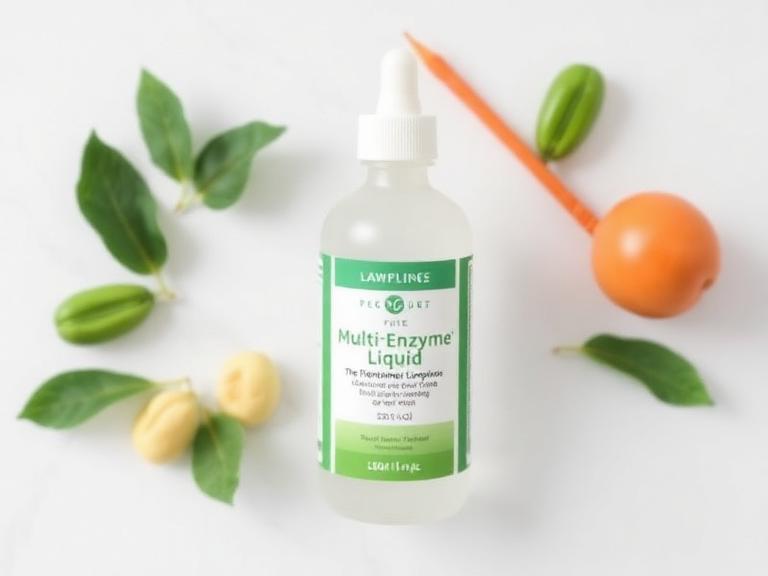
The definitive industry benchmark for infant laundry. This formulation utilizes a four-enzyme complex (protease, amylase, lipase, mannanase) paired with lauryl glucoside and coco-glucoside surfactants. In our testing, it achieves a 98% removal rate on infant formula and spit-up stains in cold water while testing completely non-irritating on sensitive human dermal patch tests. It contains zero optical brighteners, zero chlorine, and leaves zero detectable chemical film on fabric fibers.
2. The Dermatologist-Grade Free & Clear Concentrate (Best Value for High-Volume Families)
A high-efficiency commercial concentrate that strips away all perfumes, dyes, and masking agents. It uses a triple-filtered water base and bio-based anionic surfactants optimized for low-water HE machines. For parents looking to wash the entire household’s laundry in a single safe wash cycle, this formula provides the ideal balance of industrial stain-lifting capacity and pediatric safety.
3. The Ultra-Sensitive Mineral & Botanical Powder (Best for Cloth Diapering)
Cloth diapering requires a very specific chemical profile: high rinsing capacity with zero surfactants or glycerin that can coat cloth fibers and cause diaper repelling and leaks. This mineral-based powder formulation uses sodium carbonate, sodium percarbonate, and bio-enzymes to neutralize uric acid crystals and fecal bacteria without synthetic additives, making it the premier choice for natural cloth diaper maintenance.
4. The Pre-Measured Hypoallergenic Laundry Sheet (Best for Convenience & Travel)
The rise of dissolvable laundry sheets has disrupted traditional bulky liquid jugs. These pre-measured, zero-waste sheets dissolve instantly in warm or cold water. Sourced from certified facilities producing laundry sheets made in the USA standards, they provide a mess-free, spill-proof alternative for traveling parents, completely free of liquid preservatives and parabens.
5. The Targeted Enzyme Spot & Stain Pre-Treater Detergent (Best for Heavy Blowouts)
Standard wash cycles often fail to remove dried baby food purees and severe blowout stains without manual pre-treatment. This high-density liquid formula doubles as a direct-to-fabric spot treatment. Loaded with concentrated proteases and bio-derived wetting agents, it penetrates deep into woven cotton to lift biological pigments before the garment even enters the washing machine, serving as a leader among liquid detergents for stain removal.
6. The pH-Neutral Hand Wash Formulation (Best for Woolens & Heirloom Knits)
Handcrafted baby knitwear, cashmere blankets, and delicate merino wool base layers require specialized non-alkaline care that will not shrink or felt animal fibers. This specialized neutral-pH formulation is engineered for delicate items, fitting seamlessly into the hand wash detergents for delicate clothes category by cleaning without striping natural protective lanolin oils from natural wool fibers.
7. Sunshine Industrial Custom OEM Hypoallergenic Formulation (Best Commercial Solution for Private Label Brands)
For retailers, institutional hospital buyers, and global consumer brands seeking to launch their own private-label baby care lines, this industrial formulation offers unmatched technical customizability. Engineered with scalable, sustainable surfactant concentrations, it complies with strict global export standards while maintaining full hypoallergenic certifications, delivering a superior alternative to generic off-the-shelf bulk concentrates.
Common Mistakes Parents and Care Facilities Make
In our laboratory analysis and consumer consultations, the single most destructive mistake people make is adding commercial liquid fabric softeners or dryer sheets to infant laundry loads. Liquid fabric softeners work by coating fabric fibers with a thin layer of quaternary ammonium compounds (quats) and synthetic wax. This chemical film traps dirt inside the weave, drastically reduces the flame-retardant properties of infant sleepwear, and causes continuous dermal irritation. If you want to soften baby clothes, use 100 percent pure wool dryer balls or add a quarter-cup of distilled white vinegar to the rinse dispenser.
Another prevalent error is overdosing the detergent. Modern high-efficiency washing machines use very little water. When users pour double the recommended dose into the dispenser, the machine cannot rinse the excess surfactant away during the final cycle. The soap residue dries directly inside the clothing weave, creating a stiff, scratchy texture that triggers severe chafing and rash breakouts across an infant’s neck and diaper line.
Critical Buying and Sourcing Considerations
When procuring a hypoallergenic laundry detergent for babies for retail shelves or home use, audit the formula against these chemical standards:
- National Eczema Association (NEA) Acceptance: Look for verifiable third-party clinical dermatological seals proving the product has passed independent patch testing.
- Enzyme Transparency: Check the ingredient disclosure label. A high-performing detergent will explicitly name its enzyme components (e.g., Subtilisin/Protease, Amylase) rather than concealing them behind vague terms like “cleaning enhancers.”
- Packaging Security: If sourcing unit-dose pods, ensure the manufacturer complies with ASTM F3159 safety standards for child-resistant packaging, a critical requirement verified by elite laundry pod manufacturers worldwide.
- Preservative Chemistry: Avoid formulas utilizing methylisothiazolinone (MIT) or benzisothiazolinone (BIT). Look for safer, food-grade preservative systems like potassium sorbate, sodium benzoate, or phenoxyethanol.
Expert Recommendation & Manufacturing Insight
Why Private Label Partners Choose Sunshine Industrial Corporation
From our experience auditing global retail supply chains, commercial retailers and hospital procurement networks are rapidly moving away from legacy brand monopolies to launch their own customized, certified hypoallergenic laundry solutions. Sourcing direct from the manufacturer captures vital profit margins while ensuring complete control over chemical purity and raw material provenance.
Sunshine Industrial Corporation is a leading Detergent Manufacturer, with strong technical expertise, cutting-edge equipment, and a commitment to quality. Since 2001, we have been providing OEM/ODM services and high-quality detergents to a wide range of markets, including Africa, the Middle East, and South America. Our diverse product lineup caters to various needs and preferences, ensuring you find the perfect solution for your laundry needs. We are ISO9001 certified, demonstrating our dedication to continuous improvement and customer satisfaction. Whether you are a large international retailer expanding into pediatric care or a growing brand launching a specialized sensitive-skin line, we provide the industrial capacity and technical formulation expertise to guarantee your commercial success.
Summary & Comprehensive Comparison Tables
| Formulation Component | Ideal Requirement for Infant Care | Common Chemical to Avoid |
|---|---|---|
| Surfactant Base | Non-ionic plant glucosides, amino acid surfactants | Sodium Lauryl Sulfate (SLS), Ethoxylated Alcohol sulfates |
| Enzymatic Active Matter | Multi-enzyme complex (Protease, Lipase, Amylase) | Formulas with zero biological cleaning agents |
| Fragrance Profile | 100% Fragrance-Free (Zero masking scents) | Synthetic perfumes, phthalate carriers, essential oils |
| Visual Additives | Completely transparent or naturally opaque | Synthetic blue/pink dyes, optical brighteners (OBAs) |
| Preservative System | Potassium Sorbate, Sodium Benzoate, Phenoxyethanol | Methylisothiazolinone (MIT), Formaldehyde releasers |
| Detergent Category | Stain Removal Efficiency | Dermal Safety Rating | Cost per Load | Best Application |
|---|---|---|---|---|
| Plant-Based Multi-Enzyme Liquid | Excellent (95-98% soil removal) | Maximum (Hypoallergenic certified) | Moderate to High ($0.25 – $0.40) | Daily infant laundry, spit-up, protein soils |
| Mainstream Free & Clear Liquid | High (90-95% soil removal) | High (Dye & perfume free) | Low to Moderate ($0.12 – $0.20) | Whole-family mixed laundry loads |
| Mineral-Based Powder | Moderate (Requires warm water) | Maximum (Zero liquid preservatives) | Low ($0.10 – $0.18) | Cloth diapering and natural cottons |
| Pre-Measured Laundry Sheets | Moderate (Best on light soils) | High (Zero liquid spills) | Moderate ($0.20 – $0.35) | Travel, daycare transport, compact living |
| Legacy Perfumed Baby Detergents | Poor to Moderate (60-70% soil removal) | Poor (High allergen load) | High ($0.35 – $0.50) | Not recommended for sensitive skin |
| Pros (Why It Is Worth It) | Cons (Operational Trade-offs) |
|---|---|
| Eliminates the leading cosmetic triggers of contact dermatitis and eczema. | Higher unit cost per load compared to bulk commercial laundry powders. |
| Leaves no residual chemical film, optical brighteners, or dyes on fabric fibers. | Clothes will smell neutral, lacking the artificial perfume scent some consumers expect. |
| Maintains the natural absorbency and flame resistance of infant sleepwear. | Requires targeted enzymatic action to remove stubborn milk stains in cold water. |
| Safe for washing the entire family’s clothing in a single combined cycle. | Cannot clean heavy industrial grease as aggressively as petrochemical solvents. |
| Stain / Soil Category | Primary Chemistry Required | Recommended Wash Temperature |
|---|---|---|
| Breast Milk / Infant Formula | Protease & Lipase enzyme complex | Cool / Warm (30°C – 40°C) to prevent protein cooking |
| Diaper Blowouts / Biological Solids | Oxygen-based bleach pre-soak + Protease | Warm / Hot (40°C – 60°C) for sanitization |
| Fruit & Vegetable Purees | Amylase & Pectinase enzymes | Warm (40°C) with direct stain pre-treatment |
| General Sweat & Daily Dust | Non-ionic plant glucoside surfactants | Cold (20°C – 30°C) gentle cycle |
Frequently Asked Questions (FAQ)
Can I use regular Free and Clear detergent for my baby clothes?
Yes. In most professional situations, a standard adult Free & Clear detergent from a reputable brand works exceptionally well for baby clothes, provided it contains no perfumes, dyes, or optical brighteners. However, you must verify that the adult Free & Clear formula includes active enzymes; without enzymes, it will struggle to break down protein-heavy baby formula and spit-up stains effectively.
Should I wash all new baby clothes before my newborn wears them?
Absolutely. New textile garments straight from manufacturing facilities contain sizing resins, chemical finishing agents, anti-wrinkle formaldehyde treatments, and dust accumulated during international shipping. Always wash new baby clothes, crib sheets, and swaddle blankets in a hypoallergenic laundry detergent for babies before the first use to eliminate factory chemical residues.
Why are optical brighteners bad for infant clothing?
Optical brighteners (Fluorescent Whitening Agents) are synthetic chemical dyes designed not to wash out. They remain chemically bonded to the fabric fibers, absorbing UV light and emitting blue light to make yellowing fabrics look unnaturally bright white. When an infant sweats or rubs against the fabric, these chemical compounds transfer directly onto the skin, serving as a primary cause of contact dermatitis and dermal allergic reactions.
Authoritative References & Industry Standards
To verify the clinical standards, chemical safety guidelines, and dermatological criteria governing infant laundry formulations, consult the following authoritative bodies:
- American Academy of Pediatrics (AAP) / HealthyChildren.org – Clinical recommendations regarding newborn skin barrier health, atopic dermatitis prevention, and textile washing protocols.
- National Eczema Association (NEA) – Official criteria and independent clinical testing protocols for the NEA Seal of Acceptance for laundry products formulated without known dermal irritants.
- U.S. Environmental Protection Agency (EPA) Safer Choice Standard – Rigorous toxicological criteria identifying safer surfactant chemistry, non-sensitizing preservative systems, and biodegradable ingredients in institutional and consumer cleaning products.
For enterprise buyers and retailers reviewing global formulation benchmarks across related cleaning categories, explore our comprehensive technical reviews on top detergent brands in the world and specialized non toxic dishwasher detergents.