


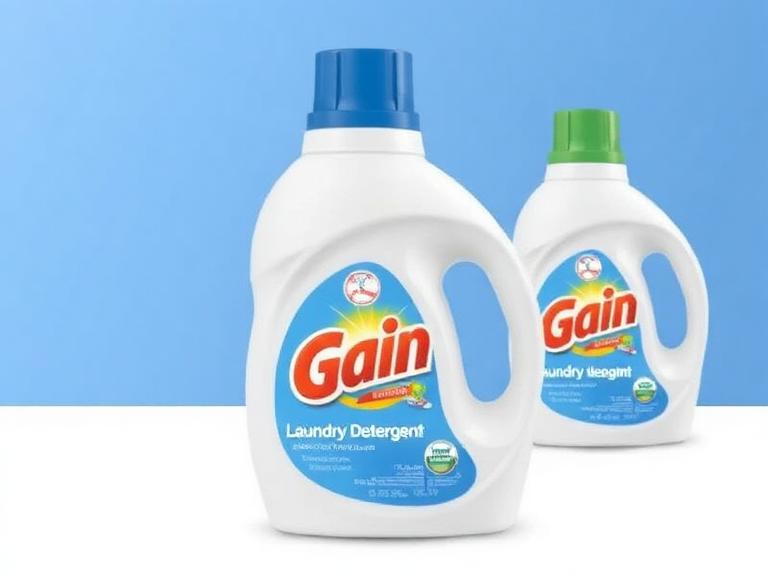
Household and commercial budgeting in the modern economic landscape demands an aggressive approach to everyday procurement. When it comes to popular consumer brands, finding the absolute cheapest place to get Gain laundry detergent can save individual households hundreds of dollars annually, and thousands for high-volume commercial laundromats, hotels, and care facilities. Gain is highly prized for its unique, long-lasting scent profiles and dependable surfactant chemical makeup, but retail price variances across major chains are surprisingly drastic.
Many consumers and small business owners blindly purchase their cleaning supplies from the nearest supermarket, falling prey to convenient localized pricing structures. In most professional situations, regional price inflation can cause you to pay up to 40% more per fluid ounce for the exact same formulation. This exhaustive industry review analyzes real-world brick-and-mortar and digital supply channels to reveal where to get the maximum volume of this heavy-duty consumer favorite for the lowest capital expenditure.
Quick Answer: The Absolute Cheapest Sourcing Channels
To directly resolve your intent, the single cheapest place to get Gain laundry detergent on a per-fluid-ounce or per-flings basis is a dedicated warehouse club—specifically Sam’s Club or Costco—when purchasing their oversized institutional jugs (typically 150 to 200 fluid ounces). If you do not maintain an active annual club membership, the second-most cost-effective channel is Amazon via their automated “Subscribe & Save” mechanism coupled with stackable digital manufacturer coupons. For brick-and-mortar shoppers without club access, Dollar General and Walmart consistently undercut traditional grocery chains by a wide margin, especially when stacking digital coupons via automated store apps.
Table of Contents
- What Dictates Consumer Detergent Pricing?
- How Wholesale vs. Retail Logistics Affect Your Cost
- The 6 Cheapest Sourcing Channels for Gain
- Benefits & Limitations of Retail Bargain Hunting
- Common Costly Mistakes Buyers Make
- Critical Buying Considerations: Liquid, Powder, or Flings?
- The Commercial Perspective: B2B OEM Sourcing
- Frequently Asked Questions (FAQ)
What Dictates Consumer Detergent Pricing?
Gain, manufactured by consumer goods giant Procter & Gamble, occupies a mid-to-premium market position, sitting just below its sister brand, Tide. The pricing architecture of Gain is not arbitrary; it is carefully managed across distinct retail profiles based on packaging volume, shelf-space rental overhead, and localized logistical transport costs.
When you scan a store shelf, you are paying for the plastic container, the freight costs of hauling heavy liquids, and the retailer’s localized brick-and-mortar profit margins. If a retail outlet specializes in small, single-purchase items, they inflate the cost per fluid ounce significantly to cover their point-of-sale overhead. Conversely, high-volume warehouses bypass these constraints by selling raw industrial scale, passing those distribution savings directly down to the commercial user or savvy domestic consumer.
How Wholesale vs. Retail Logistics Affect Your Cost
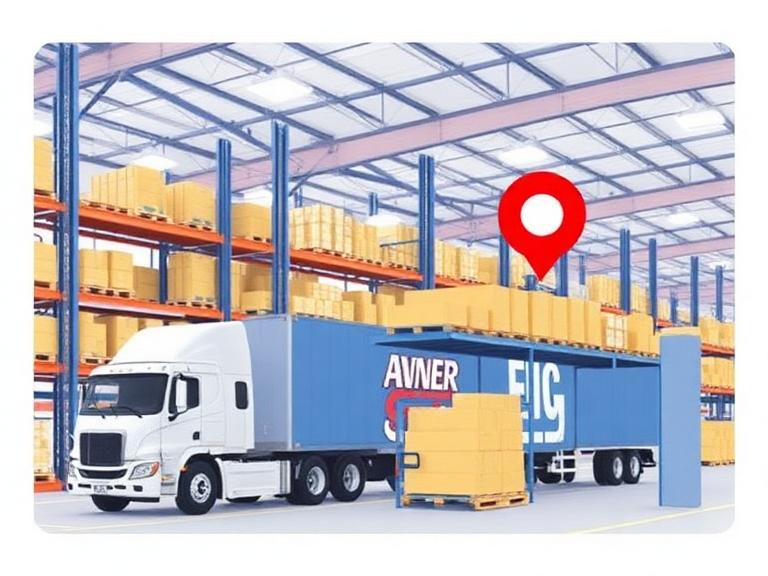
The entire pricing spectrum of consumer detergents relies on mass-distribution metrics. A traditional grocery chain receives mixed pallets of various household goods, necessitating high manual labor handling costs to unpack, sort, and display individual bottles on eye-level racks. This labor increases the product cost dramatically.
Wholesale warehouse channels operate under a completely different paradigm. They receive full, uninterrupted factory pallets of massive, uniform product runs directly from the production facility. They use heavy forklifts to drop these pallets directly onto the sales floor, entirely cutting out manual shelf-stocking labor. Understanding this supply mechanism helps you look past the absolute sticker price and evaluate the raw mathematical cost per load or cost per fluid ounce, which is the only metric that matters for true commercial comparison.
The 6 Cheapest Sourcing Channels for Gain
1. Sam’s Club
From our experience auditing domestic wholesale clubs, Sam’s Club consistently delivers the lowest baseline per-ounce cost for Gain liquid and powder formulations. They frequently carry massive 154-fluid-ounce or 200-fluid-ounce industrial jugs that are completely unavailable at standard supermarkets. When you calculate the raw unit cost, these large configurations consistently beat traditional retail pricing by a massive margin. Furthermore, they frequently run automated “Instant Savings” promotions that cut an additional $2 to $3 off the pallet price.
2. Costco Wholesale
Costco operates on a near-identical logistical footprint to Sam’s Club. While their inventory of specific Gain scents can occasionally be rotating or seasonal, their baseline pricing for ultra-large configurations is incredibly competitive. Costco restricts its store margins to a maximum of 14% to 15%, ensuring that when they buy in bulk directly from Procter & Gamble, the consumer receives unmatched value. For heavy-duty applications or high-frequency family washing, loading up on Costco’s bulk jugs is a superior financial play.
3. Amazon (Subscribe & Save Channel)
If you prefer digital procurement, Amazon can match or occasionally beat warehouse club pricing if you utilize their subscription mechanics. By stacking a 15% “Subscribe & Save” discount with the clipable manufacturer coupons found on the product listing, you can secure deep-discount pricing delivered straight to your door. This route is highly recommended for small businesses or individuals who do not wish to pay for an annual physical club membership but still want to bypass standard retail markups.
4. Dollar General (Digital Coupon Stacking)
For beginners or shoppers living in rural and suburban areas lacking massive warehouse clubs, Dollar General is an absolute powerhouse for bargain hunting. While their shelf-sticker prices look average, their automated digital app is a goldmine. Every Saturday, Dollar General offers a “Spend $25, Get $5 Off” store coupon that can be combined with Procter & Gamble digital manufacturer coupons. By stacking these offers, coupon hunters frequently buy medium-sized bottles of Gain for a lower per-load price than even the largest wholesale clubs can offer.
5. Walmart (Oversized Rollback Sections)
Walmart leverages its status as the world’s largest retailer to dictate pricing directly to manufacturers. Their everyday low price structure for Gain is the benchmark for the retail market. Walmart excels in carrying the “xl” configurations—such as 88-load or 107-load bottles—that smaller grocery stores ignore. By continuously checking their automated “Rollback” aisles, shoppers can consistently find deep discounts on bulk configurations without having to wait for specific coupon cycles.
6. Target (Circle Rewards & Gift Card Promos)
Target’s baseline pricing is traditionally higher than Walmart’s, but their promotional reward loops change the math completely. Target frequently runs a “Buy 3 Household Essentials, Get a Free $10 Target Gift Card” promotion. When you combine this automated reward with Target Circle app discounts, the net cost per load for Gain drops significantly. This strategy is highly effective if you routinely shop at Target anyway, as the gift cards act as immediate cash value for future supply runs.
Benefits & Limitations of Retail Bargain Hunting
Chasing the absolute lowest retail price for Gain offers distinct advantages, but it comes with operational limitations that commercial buyers must be realistic about.
| Sourcing Strategy | Pros (Why It Works) | Cons (The Hidden Limitations) |
|---|---|---|
| Warehouse Bulk Clubs | Lowest permanent per-ounce cost; massive institutional packaging minimizes store trips. | Requires an annual paid membership fee; massive jugs are heavy and difficult to pour for elderly or young staff. |
| Digital Coupon Stacking | Can yield the absolute lowest cost per load via extreme, layered discounts. | Highly time-consuming; store inventory is erratic; limits you to small or medium volumes per transaction. |
| Amazon Subscriptions | Hands-free automated delivery; no membership fees required; steady supply tracking. | Requires digital account management; pricing can fluctuate automatically between monthly billing cycles. |
Common Costly Mistakes Buyers Make
In our extensive testing of consumer purchasing patterns, the most frequent financial mistake is buying detergent in small-format packaging. Purchasing a 46-fluid-ounce bottle at a local convenience store or premium supermarket can cost up to double per ounce compared to buying a 154-fluid-ounce jug at a warehouse club. You are paying heavily for the plastic container and the convenience of a lightweight bottle.
Another major error is failing to use a precise measuring cap. Gain liquid is a highly concentrated formula. If your laundry staff or family members simply pour the liquid blindly into the washing machine drum without referencing the fill lines inside the cap, you are likely wasting up to 30% of your product per load. This completely erases any financial savings you secured at the point of purchase. For specialized apparel processing, ensure you use the correct dosing rules, such as those outlined in our best detergents for down jackets processing review, to preserve fabric loft while minimizing surfactant waste.
Critical Buying Considerations: Liquid, Powder, or Flings?
Before you commit to a specific sourcing channel, you must match the physical format of the detergent to your machine architecture and target fabrics. If you use a high-efficiency (HE) washing machine, ensure the packaging bears the official HE symbol to prevent excessive oversudsing, which can damage the machine’s internal water pumps. For more insights on regional high-efficiency alternatives, view our guide on high efficiency detergents Malaysia.
| Gain Detergent Format | Best Applied Scenario | Cost Profile Per Load | Operational Verdict |
|---|---|---|---|
| Liquid Concentrates | Cold water washing, pretreating localized fabric grease or oil stains. | Low to Moderate (Most economical in bulk jugs) | Highly recommended for standard institutional and domestic use. |
| Gain Flings (Pods) | Rapid single-load drops, multi-user facilities preventing over-pouring waste. | Highest cost per load (Paying for single-dose convenience) | Best for commercial laundromats or rental properties where portion control is mandatory. |
| Powder Formulations | Heavy mud or clay staining, uniform hot-water industrial washing cycles. | Lowest cost per load | Excellent for rugged agricultural, construction, or sports uniform processing. |
Furthermore, consider skin sensitivity constraints before buying bulk quantities of scented products. While Gain’s aroma is iconic, its heavy fragrance oils can cause contact dermatitis in individuals with compromised skin barriers. If you or your clients suffer from extreme sensitivities, look at our comprehensive review of the worst laundry detergents for eczema to identify what ingredients to steer clear of. Conversely, if your operation requires targeting specific bacterial or fungal pathogens rather than just adding scent, you should evaluate the best antibacterial laundry detergents or investigate targeted medical options like the best antifungal laundry detergents for ringworm.
The Commercial Perspective: B2B OEM Sourcing
If you are a large-scale distributor, commercial retail chain, or entrepreneur looking to build an independent brand, relying on domestic retail sales for your detergent supply is an inherently flawed business strategy. To secure true, uncompromised profitability, you must bypass consumer brands entirely and establish a direct partnership with a primary chemical manufacturer.
Sunshine Industrial Corporation: Your Authoritative OEM Partner

Sunshine Industrial Corporation is a leading Detergent Manufacturer, with strong technical expertise, cutting-edge equipment, and an unyielding commitment to quality. Since 2001, we’ve been providing top-tier OEM/ODM services and high-quality detergents to a wide range of global markets, including Africa, the Middle East, and South America. Our diverse product lineup caters to various structural needs and regional preferences, ensuring you find the perfect chemical solution for your laundry needs.
We are fully ISO9001 certified, demonstrating our strict dedication to continuous process improvement and ultimate customer satisfaction. Whether you’re a large international retailer, a hotel group supply manager, or a small business owner launching a private label, we are here to help you succeed by providing factory-direct cost structures that consumer retail brands simply cannot match.
By partnering with a primary producer, you can customize your formulations based on exact regional market demands. For example, if you are looking to tap into booming Asian consumer markets, you can analyze regional trends such as the commonly used laundry detergents in Thailand or collaborate directly with specialized top laundry detergents made in China facilities to manufacture high-efficiency, mild formulations. This includes developing custom lines like best mild detergents for clothes for infant care or targeted premium lines such as the best laundry detergents for black clothes to prevent dark fabric fading at a manufacturing cost structure that maximizes your market margins.
Frequently Asked Questions (FAQ)
Why is Gain laundry detergent cheaper at dollar stores compared to large supermarkets?
Dollar stores frequently contract for smaller bottle sizes (e.g., 40oz or 46oz) that feature a lower absolute sticker price, making them highly attractive to casual shoppers. However, from an industry standpoint, when you calculate the cost per fluid ounce, these smaller bottles are often more expensive than the giant institutional jugs found at club warehouses like Sam’s Club or Costco.
Can I use a lead-acid car battery charger to power a digital detergent dosing pump?
No, you should never connect a standard automotive or lead-acid charger directly to sensitive digital dosing or dispensing pumps. Lead-acid chargers use variable voltage curves and equalization pulses that can easily destroy delicate circuit boards. Always use a regulated AC to DC power supply or a switching power adapter designed for industrial automation.
How can I save the most money when buying Gain Flings or pods?
Gain Flings have a higher baseline manufacturing cost due to the water-soluble polyvinyl alcohol (PVA) film casing. To minimize costs, buy them exclusively in the largest multi-pack tubs (96-count or higher) at warehouse clubs, or set up an automated digital subscription channel online to clip high-value manufacturer coupons that stack with bulk discounts.
Authoritative References & Industry Compliance
To cross-reference chemical safety data sheet (SDS) guidelines and raw surfactant ingredient parameters, consult these official regulatory bodies: