


The fast-moving consumer goods (FMCG) sector continues to experience robust expansion globally, with cleaning products remaining a high-margin, recession-resistant category. For entrepreneurs, retail chains, and investors looking to capture market share, understanding the true cost of detergent factory operations and initial capital expenditures is critical. Entering this industry requires a highly strategic approach to machinery procurement, chemical handling, and regulatory compliance.
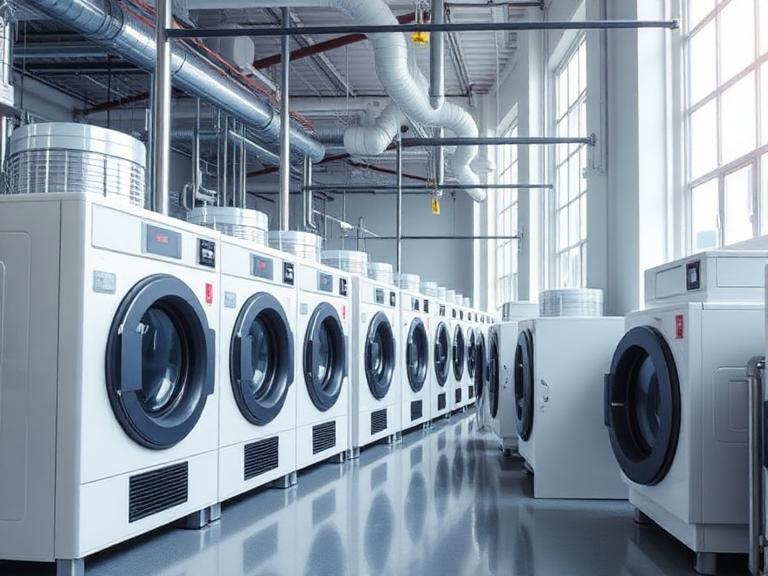
Sunshine Industrial Corporation is a leading Detergent Manufacturer with strong technical expertise, cutting-edge equipment, and a commitment to quality. Since 2001, we have been providing OEM/ODM services and high-quality detergents to a wide range of markets, including Africa, the Middle East, and South America. Whether you are a large retailer or a small business owner, accurately forecasting the cost of detergent factory infrastructure is the first step toward building a successful and profitable brand.
Table of Contents
- Primary Factors Influencing the Cost of Detergent Factory Projects
- Equipment Needs Based on Product Lines
- 2026 Estimated Cost Breakdown by Production Scale
- Understanding OpEx vs. CapEx in Cleaning Product Manufacturing
- The Strategic Alternative: Bypassing the Cost of Detergent Factory Construction
- Frequently Asked Questions (FAQs)
- Summary Table
- References
Primary Factors Influencing the Cost of Detergent Factory Projects
When modeling the financial projections for 2026, the overall cost of detergent factory development depends heavily on production capacity, automation levels, and geographic location. From our experience, investors frequently underestimate the hidden costs associated with compliance, quality assurance, and utility infrastructure.
Land Acquisition and Facility Construction
The foundation of the cost of detergent factory development lies in industrial real estate. Chemical manufacturing requires specialized zoning. Facilities must be designed to handle raw material storage safely, manage wastewater effectively, and comply with strict environmental regulations. Concrete flooring must be chemically resistant, and the ventilation systems must be capable of managing airborne particulates during dry mixing phases.
Machinery and Automation (CapEx)
The largest upfront variable in the cost of detergent factory planning is machinery. You must choose between manual, semi-automatic, and fully automatic lines. Fully automatic systems significantly increase the initial cost of detergent factory setups but drastically reduce long-term labor costs and human error. Key components include ribbon blenders, saponification reactors, high-pressure spray dryers, agglomerators, and precision filling machines.
Regulatory Compliance and Quality Assurance
To compete globally, maintaining strict quality control is mandatory. Setting up an in-house laboratory for batch testing adds to the cost of detergent factory investments. At Sunshine Industrial Corporation, we are ISO9001 certified, demonstrating our dedication to continuous improvement and customer satisfaction. Replicating this level of certification requires significant investment in standardized operating procedures (SOPs) and auditing.
Equipment Needs Based on Product Lines

The specific formulations you intend to produce will directly dictate your equipment procurement strategy. Analyzing the cost of detergent factory requirements requires isolating the machinery needed for your target portfolio. Our diverse product lineup caters to various needs and preferences, ensuring you find the perfect solution for your laundry needs. Here is how expanding your product lines impacts your factory blueprint:
- Detergent Powder: Requires ribbon blenders, screening machines, spray drying towers (for high-end hollow granules), and form-fill-seal packaging machines. Powders demand stringent dust-control infrastructure.
- Detergent Liquid: Necessitates stainless steel mixing reactors with heating jackets, high-shear homogenizers, water purification systems (RO units), and multi-nozzle automatic liquid filling lines.
- Laundry Pods: Producing pods requires highly specialized water-soluble PVA film encapsulation machinery. This significantly increases the cost of detergent factory equipment due to the precision required to seal concentrated liquids without leakage.
- Fabric Softener & Hygiene Laundry Rinse: Similar to liquid detergents but requires specialized emulsification equipment to ensure stable dispersion of softening agents and antibacterial compounds.
- Color Bleach: Handling oxygen-based or chlorine-based bleaches requires corrosion-resistant reactors (often glass-lined or high-grade polymer-lined) and separate ventilation to prevent cross-contamination.
- Collar Cleaner: Often sold in spray or roll-on formats, requiring specific capping and labeling automation tailored for smaller, uniquely shaped containers.
2026 Estimated Cost Breakdown by Production Scale
To provide a realistic benchmark for 2026, we have categorized the average cost of detergent factory installations into three standard tiers. Please note that these figures represent global averages and exclude land acquisition, which varies drastically by region.
| Scale of Production | Capacity Range | Estimated CapEx (Machinery & Setup) | Ideal For |
|---|---|---|---|
| Small-Scale / Startup | 100 kg – 300 kg / hour | $40,000 – $85,000 USD | Local market testing, niche sustainable brands, manual/semi-automatic packaging. |
| Medium-Scale Enterprise | 500 kg – 1,000 kg / hour | $150,000 – $350,000 USD | Regional distribution, automated mixing, and semi-automated filling lines. |
| Large-Scale Industrial | 2 Tons – 5+ Tons / hour | $800,000 – $2,500,000+ USD | National/International export, fully automated spray drying, advanced PLC control systems. |
When calculating the cost of detergent factory working capital, you must also reserve an additional 30% to 40% of your CapEx for initial raw material procurement (surfactants like LABSA, builders, enzymes, and fragrances) and operating expenses for the first six months.
Understanding OpEx vs. CapEx in Cleaning Product Manufacturing
While the upfront cost of detergent factory machinery is a massive hurdle, the true financial driver is your Operating Expenditure (OpEx). We recommend closely monitoring your supply chain, as raw materials account for approximately 70% to 80% of total ongoing operating costs. Fluctuations in petrochemical prices directly impact the cost of active surfactants.
Furthermore, minimizing the cost of detergent factory utility consumption is vital. High-scale powder production via spray drying is highly energy-intensive, requiring substantial natural gas or electricity. Water usage and subsequent wastewater treatment also represent ongoing costs that must be aggressively managed to maintain a gross profit margin typically ranging between 25% and 35%.
The Strategic Alternative: Bypassing the Cost of Detergent Factory Construction
A major part of the cost of detergent factory initiation involves managing construction delays, machinery calibration, and workforce training. For many brands, the most lucrative strategy is to bypass these capital expenditures entirely.
From our experience at Sunshine Industrial Corporation, brands that focus their capital on marketing, distribution, and customer acquisition scale significantly faster than those bogged down by manufacturing overhead.
We recommend utilizing our comprehensive OEM/ODM services. By partnering with us, you instantly gain access to a world-class, ISO9001 certified facility without the projected cost of detergent factory construction. We handle the complex chemistry, production, and quality assurance. Whether you want to launch a new line of Laundry Pods in the Middle East or distribute premium Fabric Softener in South America, our existing infrastructure allows you to enter the market swiftly and competitively.
Frequently Asked Questions (FAQs)
What is the minimum cost of detergent factory setup for a startup?
For a very basic, semi-automatic powder mixing plant producing around 100 kg per hour, the initial cost of detergent factory machinery can start as low as $25,000 to $40,000 USD. However, this does not include working capital, facility leasing, or brand development.
Is the detergent manufacturing business profitable in 2026?
Yes. Despite the high cost of detergent factory deployment, the industry offers steady demand. Well-managed operations typically see net profit margins between 10% and 15%, provided they can optimize their raw material supply chains and maintain consistent product quality.
How can I reduce the cost of detergent factory operations?
We recommend investing in energy-efficient utility systems, negotiating bulk contracts for surfactants, and automating your packaging lines to reduce labor costs. Alternatively, outsourcing production to an established OEM/ODM partner like Sunshine Industrial Corporation eliminates CapEx depreciation and maintenance costs entirely.
What are the most expensive machines in a detergent plant?
If you are manufacturing powder via the traditional tower method, the spray drying tower is the most capital-intensive equipment. For liquid production, high-speed automated bottling, capping, and labeling lines constitute the largest portion of the cost of detergent factory machinery.
Summary Table
| Investment Category | Impact on Total Cost | Strategic Recommendation |
|---|---|---|
| Capital Expenditures (CapEx) | High (Machinery, Land, Facilities) | Scale machinery to realistic initial sales projections; consider OEM/ODM to avoid entirely. |
| Operating Expenses (OpEx) | Ongoing (70-80% Raw Materials) | Secure reliable chemical suppliers; optimize water and energy consumption. |
| Compliance & QA | Moderate but Critical | Ensure ISO9001 certification standards are met to compete in global markets. |
References
- IMARC Group. Soap and Detergent Manufacturing Plant Project Report 2026. View Market Report
- Financial Models Lab. Startup Costs for Sustainable Laundry Detergent. View Financial Data
- ASVR Engineering. Detergent Powder Making Plant Setup and Machinery Costs. View Equipment Specs