


Achieving the perfect laundry result requires more than merely placing garments into a washing machine and pressing a button. It demands a sophisticated understanding of textile care, chemical interactions, and precise cycle timing. At Sunshine Industrial Corporation, we consistently encounter consumers and commercial clients who struggle with stiff, static-clingy garments simply because they lack the foundational knowledge of laundry chemistry. Specifically, the precise methodology regarding fabric softener how to use is frequently misunderstood across households and commercial laundries alike. While many individuals consider it an optional luxury or an afterthought, understanding fabric softener how to use correctly can significantly extend the lifespan of your textiles, preserve delicate color vibrancy, and exponentially enhance the overall tactile experience of your entire wardrobe.
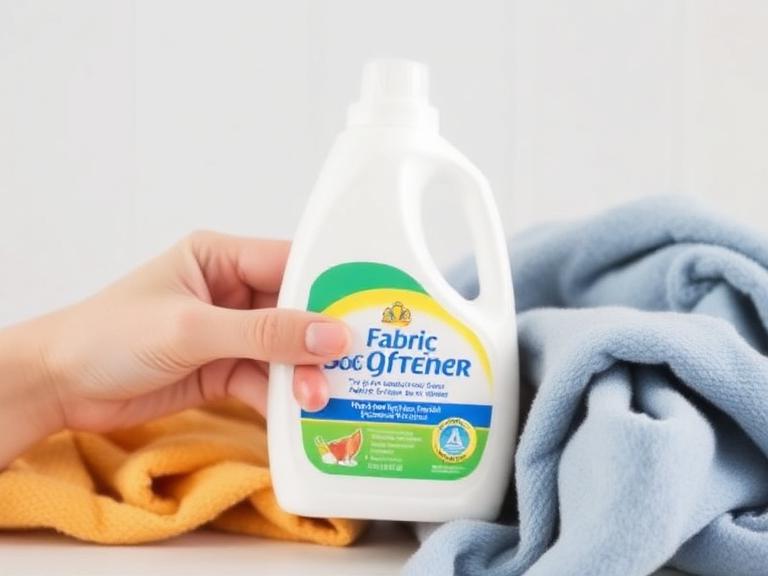
From our experience as a leading Detergent Manufacturer since 2001, the misapplication of laundry conditioning agents routinely leads to waxy residue buildup, drastically decreased absorbency in bath towels, and even long-term damage to washing machine dispensing mechanisms. When examining the intricacies of fabric softener how to use, we must first look at the mechanical processes of modern high-efficiency washing machines and the advanced chemical formulations of the products themselves. In this authoritative and comprehensive guide, we will break down the underlying science, the step-by-step application procedures, and the expert techniques required to completely master the wash cycle. Whether you are managing delicate high-thread-count linens or robust everyday industrial wear, mastering the steps for fabric softener how to use will fundamentally revolutionize your approach to garment care.
Table of Contents
- Understanding the Science Behind Conditioning Agents
- The Fundamentals of Fabric Softener How to Use: Preparation
- Step-by-Step Guide: Fabric Softener How to Use in Various Machines
- Common Mistakes in Fabric Softener How to Use
- Sunshine Industrial Corporation: Your Partner in Laundry Excellence
- Summary Table: Fabric Softener How to Use Checklist
- Frequently Asked Questions (FAQs)
- References
Understanding the Science Behind Conditioning Agents
Before diving into the practical, step-by-step applications, it is absolutely essential to understand what these chemical conditioning agents actually do at a microscopic level. During the primary washing cycle, heavy-duty detergents are deployed to strip away dirt, bodily oils, and trapped odors. However, this rigorous mechanical and chemical cleaning process can leave the microscopic fibers of your garments frayed, tangled, and negatively charged. This negative charge is the primary culprit behind static electricity and a rough, abrasive texture. The core scientific principle of fabric softener how to use relies on introducing positively charged chemical compounds (cationic surfactants) precisely during the final rinse cycle. These specialized compounds bind directly to the negatively charged fabric fibers, smoothing them out and creating a microscopic lubricating layer.
We recommend viewing this chemical process much like applying a high-quality hair conditioner following a clarifying shampoo treatment. Without the conditioning agent, the textile fibers remain exposed, rigid, and highly prone to friction-induced wear and tear. The critical question of fabric softener how to use arises frequently because applying this lubricating layer at the wrong time in the wash cycle will cause catastrophic laundry failure. For example, adding it during the main wash cycle alongside your standard detergent will cause the anionic (negative) detergent and cationic (positive) softener to instantly neutralize each other. This renders both chemicals completely ineffective, resulting in garments that are not only dirty but also coated in a thick, waxy, water-resistant residue.
The Fundamentals of Fabric Softener How to Use: Preparation
To consistently achieve professional-grade laundry results at home or in a commercial setting, optimizing the preparatory steps of fabric softener how to use is mandatory. The absolute golden rule of fabric softener how to use is to never, under any circumstances, pour the concentrated liquid directly onto dry or wet clothes. The highly concentrated nature of the liquid can cause severe, dark spotting and chemical staining that is exceptionally difficult, if not impossible, to remove without aggressive chemical intervention. Instead, the product must be perfectly diluted into the water stream evenly.
Furthermore, proper fabric softener how to use techniques dictate that you must meticulously separate your laundry by specific fabric type before loading the machine. Not all textiles benefit from conditioning agents; in fact, some are actively destroyed by them. For instance, applying these lubricating products to modern athletic wear, microfiber cleaning cloths, or heavy cotton bath towels will coat the specialized fibers and completely destroy their engineered moisture-wicking and absorbent properties. Our professional guide on fabric softener how to use ensures that you accurately identify the correct garments—such as standard cotton shirts, woven bed linens, and traditional poly-blends—before ever dispensing the product into the machine.
Step-by-Step Guide: Fabric Softener How to Use in Various Machines
Mastering the exact methodology of fabric softener how to use requires precise timing, accurate measurement, and an understanding of your specific hardware. Follow these expert-approved steps to ensure your laundry is perfectly conditioned every single time.
Step 1: Sorting and Loading
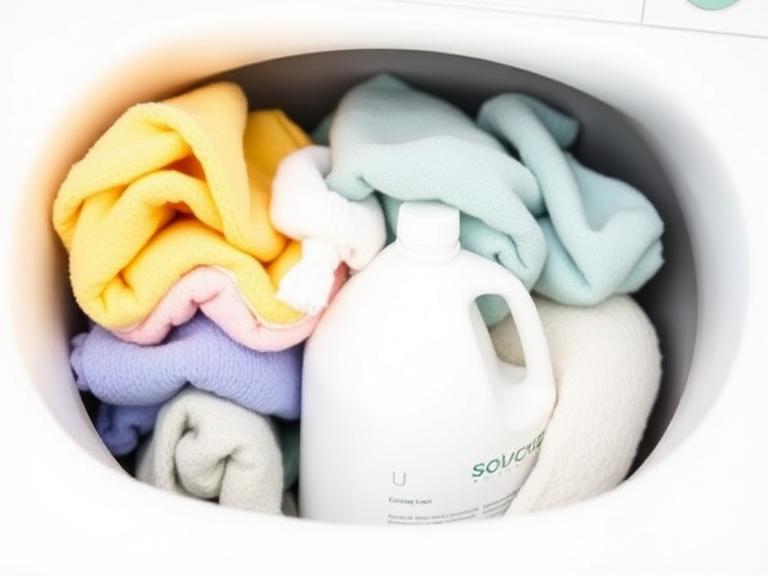
Begin by strictly sorting your laundry. Separate your heavy absorbent towels, high-performance activewear, and flame-retardant children’s sleepwear from your standard everyday cottons and blends. As previously mentioned, the fabric softener how to use methodology strictly advises against treating any absorbent or moisture-wicking fabrics. Once properly sorted, load your machine, ensuring you do not overfill the drum. Garments desperately need physical space to agitate, tumble, and rinse thoroughly to prevent chemical buildup.
Step 2: Adding the Primary Cleaning Agents
Add your primary cleaning and stain-removal agents. Depending on your personal preference and the specific soil level of the garments, you may utilize a high-quality Detergent Powder, an advanced Detergent Liquid, or convenient pre-measured Laundry Pods. If you are dealing with particularly tough, set-in stains, this is the exact time to add a Color Bleach or a targeted Collar Cleaner. Ensure these primary agents are placed in their respective main-wash compartments or directly into the drum as strictly specified by the appliance manufacturer.
Step 3: Measuring the Conditioning Agent
Carefully consult the packaging of your chosen conditioning product. The specific fabric softener how to use instructions printed on the label will provide a highly accurate dosing guide based on the exact load size and water volume. We highly recommend using the exact measuring cap provided with the bottle. A common misconception is that more product equals softer clothes. From our experience, over-dosing will absolutely not make your clothes softer; it will simply leave a greasy, suffocating residue on the fibers and build up thick sludge inside your washing machine’s internal plumbing.
Step 4: Dispensing at the Correct Time
The dispensing method relies entirely on your machine type. If you have a modern front-loading or high-efficiency (HE) washing machine equipped with an automatic dispenser drawer, pour the precisely measured liquid into the compartment usually marked with a flower icon, a star, or clearly labeled for softeners. The machine’s internal computer will automatically release it utilizing centrifugal force during the final deep rinse cycle. If you are using an older top-load machine without an automatic dispenser, the fabric softener how to use protocol requires you to physically monitor the wash cycle. You must wait until the machine has completely drained the soapy main-wash water and is filling with clean water for the final rinse cycle. Then, pour the diluted liquid directly into the water pool, carefully avoiding direct contact with the clothes.
Common Mistakes in Fabric Softener How to Use
Even seasoned homemakers and commercial operators can fall victim to poor laundry habits. Correcting fabric softener how to use errors begins with recognizing and acknowledging them. From our extensive experience at Sunshine Industrial Corporation, the single most prevalent mistake is completely ignoring the maintenance of the dispenser drawer itself. Over time, thick conditioning liquids coagulate and harden in the dispenser drawer and the siphoning tubes, leading to severe blockages and hazardous black mold growth. We recommend removing the drawer entirely at least once a month and aggressively scrubbing it with hot water and a dedicated cleaning brush.
Another highly critical error in the fabric softener how to use process is attempting to combine it with a Hygiene Laundry Rinse in the exact same dispenser compartment simultaneously. While both products are traditionally added during the final rinse cycle, mixing them in a confined space can drastically alter their delicate pH balances, causing them to clump together and significantly reducing the sanitizing efficacy of the hygiene rinse. Always consult your specific washing machine’s manual for utilizing dual-rinse additives properly.
Sunshine Industrial Corporation: Your Partner in Laundry Excellence
At Sunshine Industrial Corporation, our steadfast commitment to laundry excellence extends far beyond simply providing aesthetic advice; it is deeply rooted in superior, globally recognized manufacturing practices. We are incredibly proud to be known internationally as a leading Detergent Manufacturer. We operate our state-of-the-art facilities with strong technical expertise, cutting-edge automated equipment, and an unwavering, uncompromising commitment to quality control.
Since our founding in 2001, we have been providing premium OEM/ODM services and manufacturing high-quality detergents to a wide, diverse range of global markets. Our highly successful export operations include extensive, long-term partnerships across Africa, the Middle East, and South America. Our manufacturing operations are strictly ISO9001 certified, demonstrating our relentless dedication to continuous operational improvement and total, unmitigated customer satisfaction. Whether you are a massive large-scale international retailer looking to expand your private label, or a dedicated small business owner seeking reliable supply chains, we possess the robust infrastructure and formulation expertise to help you succeed.
Our highly diverse product lineup caters specifically to various consumer needs, environmental conditions, and formulation preferences. When seeking to optimize your complete laundry routine, you can rely heavily on our comprehensive suite of chemical products. Our extensive catalog includes high-efficiency Detergent Powder for bulk cleaning, advanced Detergent Liquid for cold-water washing, pre-measured dissolving Laundry Pods for ultimate convenience, luxurious Fabric Softener for premium textile care, fabric-safe Color Bleach for stain eradication, hospital-grade Hygiene Laundry Rinse for deep sanitation, and highly specialized Collar Cleaner for targeted pretreatment. By utilizing our fully integrated product ecosystem, you guarantee that every single phase of your wash cycle is optimized for maximum cleanliness, efficiency, and long-term garment preservation.
Summary Table: Fabric Softener How to Use Checklist
To proactively assist our readers and international clients in quick, daily reference, we have compiled the ultimate summary table explicitly detailing the critical parameters of the fabric softener how to use protocol.
| Process Step | Expert Recommendation | Critical Actions to Avoid |
|---|---|---|
| Garment Sorting | Use exclusively on cottons, linens, and standard everyday poly-blends. | Avoid activewear, microfiber cloths, heavy bath towels, and flame-retardant sleepwear. |
| Timing of Application | Introduce the liquid exclusively during the final deep water rinse cycle. | Never mix directly with the main detergent during the primary wash cycle. |
| Dispensing Method | Utilize automatic dispenser drawers or dilute heavily in water manually. | Never pour concentrated conditioning liquid directly onto dry or wet fabrics. |
| Dosage Measurement | Follow the cap lines strictly and accurately based on the drum load size. | Do not over-pour; excess volume causes waxy residue and machine damage. |
| Hardware Maintenance | Remove and clean the dispenser drawer with hot water once a month. | Do not allow old, unused liquid to coagulate and block the siphoning tube. |
Frequently Asked Questions (FAQs)
The absolute most critical rule regarding fabric softener how to use is precise timing. The conditioning agent must only be applied during the final rinse cycle. If it accidentally mixes with your primary detergent during the main wash cycle, the anionic (negative) cleaning detergent and cationic (positive) softening agent will chemically neutralize each other. This creates a useless, sticky, insoluble precipitate that coats your garments and traps dirt against the fabric.
From our professional experience at Sunshine Industrial Corporation, we strictly and unequivocally recommend against it. The basic fabric softener how to use instructions apply only to standard natural fibers and basic blends. High-performance workout clothes rely on engineered, microscopic moisture-wicking technology to pull sweat away from your body. Conditioning agents coat these synthetic fibers in a thin layer of chemical lubrication, completely ruining their ability to absorb water, wick moisture, and breathe effectively.
Severe clogging occurs when the thick, viscous liquid dries out and solidifies between wash days. Mastering the complete fabric softener how to use process intrinsically includes regular hardware maintenance. We recommend diluting the product slightly with warm water before pouring it into the dispenser if you notice it is particularly thick, and strictly committing to cleaning the removable drawer monthly with hot water to prevent dangerous black mold and mechanical blockage.
Yes, absolutely. As an internationally recognized ISO9001 certified Detergent Manufacturer operating successfully since 2001, Sunshine Industrial Corporation offers highly customizable OEM/ODM formulations. We routinely develop products that are completely free from heavy artificial dyes, harsh preservatives, and irritating perfumes, catering perfectly to global markets that require strict hypoallergenic options alongside our standard Detergent Liquid, Laundry Pods, and Fabric Softener lines.
References
1. International Organization for Standardization. ISO9001 Certification Standards for Chemical Manufacturing: Ensuring Unwavering Consistency in Detergent and Fabric Care Production.
2. Global Laundry Science Journal. (2025). Advanced Garment Care: The Microscopic Interaction of Cationic Surfactants with Natural and Synthetic Polymer Fibers in Aqueous Solutions.