


Table of Contents
- Introduction
- Homemade Laundry Soap vs. Commercial Detergent
- Why Homemade Laundry Soap Is Ineffective and Risky
- Negative Effects on Washing Machines
- Hygiene and Health Concerns
- Environmental Impact: Not as Green as You Think
- Choose Quality with Sunshine Industrial Corporation
- Conclusion
- Summary Table
Introduction
In recent years, the popularity of homemade laundry soap has surged among those seeking eco-friendly or budget-conscious alternatives. However, many experts and manufacturers caution against replacing commercial detergent with DIY soap mixtures. While the idea of crafting your own laundry solution may seem appealing, it’s essential to examine the facts about its long-term effectiveness, safety, and impact on your laundry system and health.
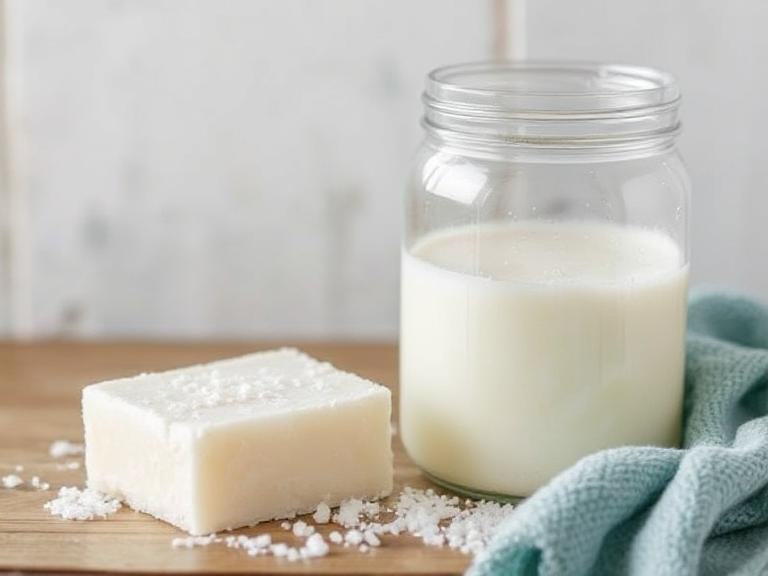
Homemade Laundry Soap vs. Commercial Detergent
Key Differences
- Homemade laundry soap is not actually a detergent; it is usually made from grated bar soap, washing soda, and borax.
- Commercial detergents like those from Sunshine Industrial Corporation are scientifically formulated using surfactants, enzymes, builders, and stabilizers for superior cleaning and hygiene.
Detergents vs. Soap
- Soap molecules bind with minerals in hard water, leaving residue and buildup.
- Detergents are designed to work in various water conditions and break down stains effectively without leaving scum or buildup.
Why Homemade Laundry Soap Is Ineffective and Risky
1. Lack of Cleaning Efficiency
- Homemade soap lacks surfactants, which are critical in removing oils, dirt, and stains from fabrics.
- DIY laundry soap doesn’t clean deeply, especially in cold water or high-efficiency machines.
2. Soap Scum and Fabric Buildup
- Soap residue accumulates on fabric fibers, making clothes feel stiff and dull over time.
- Can lead to gray and dingy clothing even after repeated washes.
3. No Antibacterial Properties
- Most homemade laundry soaps don’t contain any ingredients that effectively kill bacteria and viruses.
- This is especially problematic for washing undergarments, baby clothes, or clothing from ill family members.
Negative Effects on Washing Machines
Using homemade laundry soap can lead to serious problems with your washer over time.
1. Residue Buildup in Drums and Pipes
- Soap scum clogs washer components, reducing efficiency and leading to costly repairs.
- Residue attracts mold and bacteria growth inside the machine.
2. Damage to High-Efficiency Machines
- HE machines are sensitive to soap overuse and buildup, and they require low-sudsing formulas like Sunshine Industrial’s detergent liquids or pods.
3. Voiding Appliance Warranties
- Manufacturers may void your warranty if damage results from the use of improper cleaning agents like homemade soap mixtures.
Hygiene and Health Concerns
Homemade laundry soap is not tested or regulated for skin safety, allergen content, or antimicrobial performance.
1. Skin Irritation and Allergies
- Harsh alkaline ingredients like washing soda can irritate sensitive skin, especially in children and people with eczema.
2. Incomplete Rinsing
- Residue left in clothes may trigger allergic reactions or skin irritation.
3. Unsafe for Washing Delicates and Baby Clothes
- Homemade soap lacks proper pH balance and mildness for delicate fabrics or baby garments.
Environmental Impact: Not as Green as You Think
While homemade laundry soap is often promoted as eco-friendly, it may not be better for the environment when used improperly.
1. Soap Scum Affects Septic and Drainage Systems
- Clogged drainage systems and septic tanks can result from soap buildup.
2. Non-Biodegradable Bar Soaps
- Many bar soaps used in DIY recipes are not fully biodegradable or eco-safe.
3. Excess Water Usage
- Clothes washed with soap often require extra rinse cycles to remove residue, leading to increased water usage.
Choose Quality with Sunshine Industrial Corporation
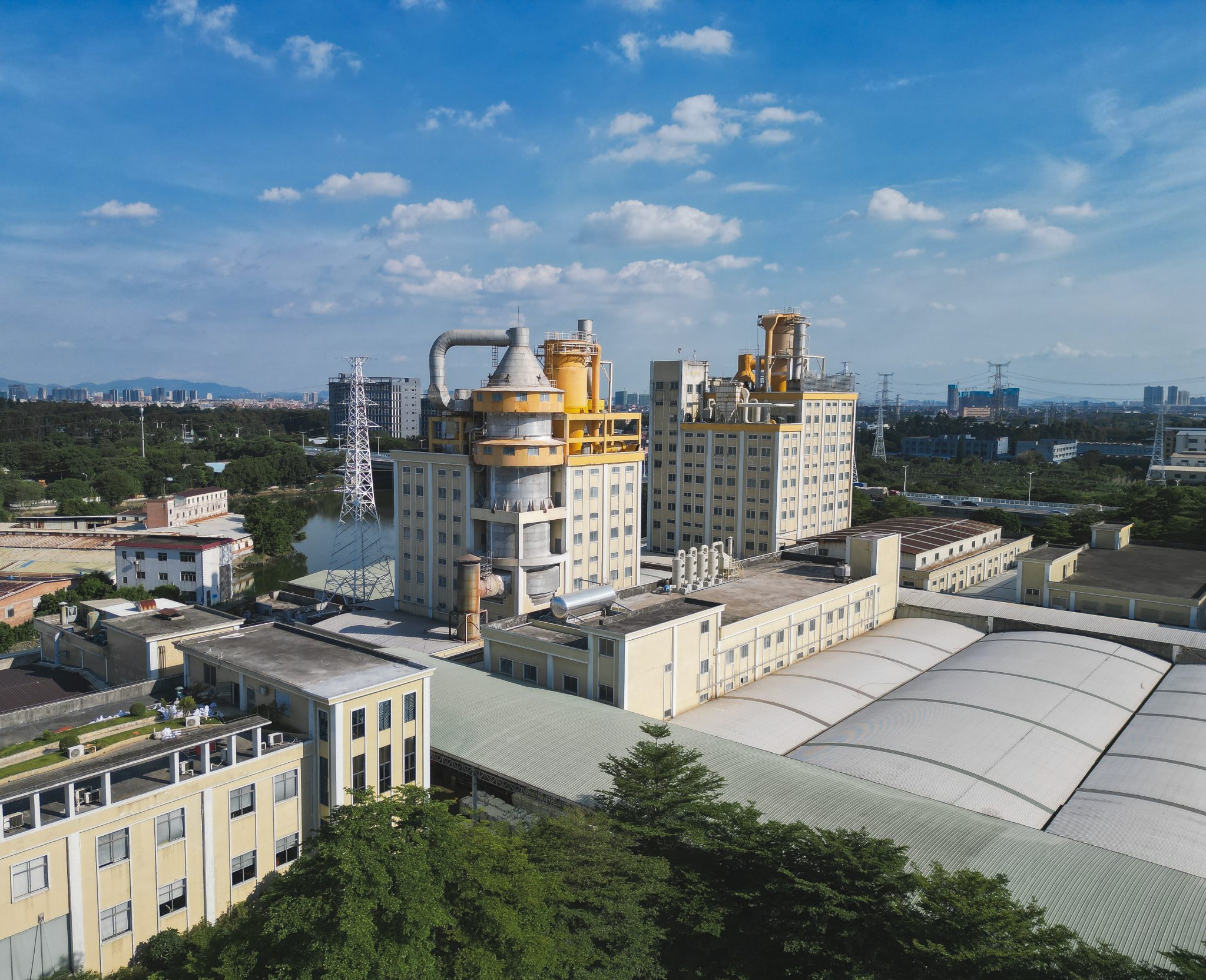
Sunshine Industrial Corporation is a trusted name in detergent manufacturing since 2001. We bring you effective, safe, and reliable laundry solutions designed for today’s fabric care needs.
Our Advantages:
- ISO9001 certified quality assurance
- Cutting-edge equipment and technical expertise
- More than two decades of OEM/ODM experience
- Trusted by clients across Africa, the Middle East, and South America
Our Premium Products Include:
- Detergent Powder – High foam and deep cleaning for tough stains
- Detergent Liquid – Effective on oily stains and gentle on fabrics
- Laundry Pods – Convenient and pre-measured for everyday use
- Fabric Softener – Leaves clothes soft and static-free
- Color Bleach – Safe for colors while boosting brightness
- Hygiene Laundry Rinse – Kills bacteria and neutralizes odors
- Collar Cleaner – Targets hard-to-clean collars and cuffs
Whether you’re a retailer or a distributor, we help your business grow with reliable laundry care products that deliver results your customers will love.
Conclusion
Although homemade laundry soap may seem like a cheaper, greener solution, its risks and inefficiencies far outweigh any perceived benefits. From poor stain removal to appliance damage and skin irritation, DIY laundry soap can cost you more in the long run. Trust in professional solutions from reputable manufacturers like Sunshine Industrial Corporation to ensure your laundry is truly clean, hygienic, and safe—for your clothes, your family, and the environment.
Summary Table
| Category | Homemade Laundry Soap | Sunshine Industrial Detergents |
|---|---|---|
| Cleaning Effectiveness | Low – Lacks surfactants and enzymes | High – Scientifically formulated for deep cleaning |
| Machine Safety | Risk of buildup and damage | Safe for all types of machines, including HE |
| Hygiene | No antibacterial properties | Offers antibacterial solutions like Hygiene Rinse |
| Skin Safety | May irritate sensitive skin | pH-balanced and dermatologically tested |
| Environmental Impact | May clog pipes; requires more rinsing | Efficient, low-waste, eco-conscious formulas |
| Product Variety | Limited to basic soap mixtures | Wide range including pods, softeners, bleach |
| Supplier Quality | Homemade – No regulation or quality control | Sunshine Industrial – ISO9001 Certified Manufacturer |