

Every year, commercial facility managers, laundromat owners, and large hospitality groups waste thousands of dollars purchasing heavily diluted cleaning chemicals. When procurement teams set out to buy Washing liquid in bulk cheap, they often default to big-box wholesale clubs or massive online retail aggregators. This is a fundamental supply chain error. The harsh reality of the commercial cleaning industry is that when you purchase standard retail-grade liquid detergent, you are paying primarily to ship water across the country. Standard retail formulations contain up to 80 percent water. If you want to optimize your operational expenses, you must stop buying water and start buying active surfactant concentration.
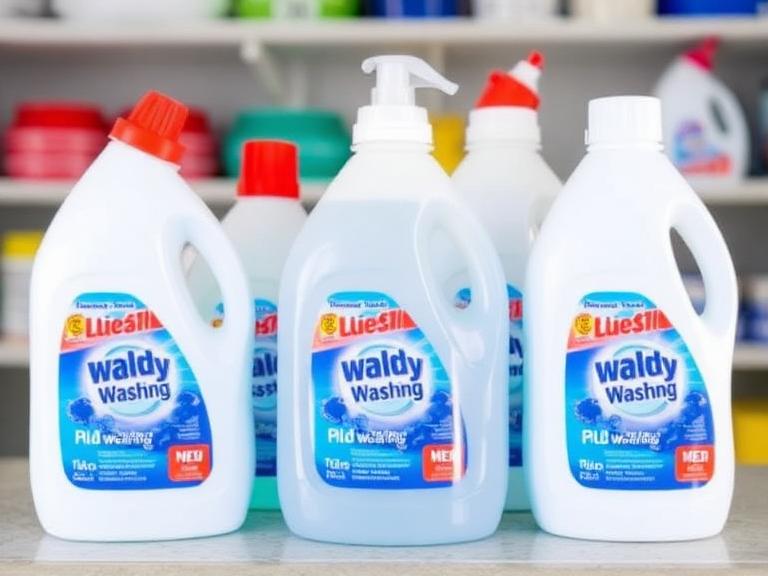
From our experience engineering and producing heavy-duty commercial cleaning chemistry at Sunshine Detergent Manufacturer, the retail supply chain is entirely inappropriate for high-volume users. True commercial savings require tapping into the industrial distribution networks where pricing is based on the metric ton, the 55-gallon drum, or the 25kg professional bucket. In this guide, we will strip away the retail marketing illusions and reveal the exact five avenues you should utilize to buy Washing liquid in bulk cheap, explaining not just where to look, but how to evaluate the chemistry to ensure you are actually getting a bargain, not just diluted soap.
Quick Answer: Where to Source Bulk Detergent
If you need to buy Washing liquid in bulk cheap, bypass consumer supermarkets entirely. The 5 best places to source commercial volumes are:
- Direct from the Manufacturer: (e.g., Sunshine Detergent Manufacturer) Offers the lowest cost per ounce of active matter and allows for custom formulation.
- Commercial Janitorial Supply Distributors: Excellent for consistent local delivery of 5-gallon buckets and 55-gallon drums.
- Online B2B Marketplaces: Platforms connecting buyers directly with overseas or domestic chemical plants for pallet-level orders.
- Chemical Liquidators and Overstock Warehouses: Good for extreme discounts, though formulation consistency can vary.
- Wholesale Cash-and-Carry Clubs: The most accessible option for small businesses, though they still sell retail-grade diluted formulas.
We strongly recommend purchasing direct from a manufacturer if your volume exceeds 100 gallons per month, ensuring you receive concentrated active ingredients rather than paying freight costs for water.
Table of Contents
- What It Is: Understanding Bulk Detergent
- How It Works: The Supply Chain
- Benefits of Bulk Procurement
- Limitations and Logistics
- The 5 Places to Buy Washing Liquid in Bulk Cheap
- Who Should Use Bulk Liquid
- Who Does Not Need It
- Common Purchasing Mistakes
- Strict Buying Considerations
- Expert Recommendation
- Summary and Comparison Tables
- Frequently Asked Questions
What It Is: Understanding Bulk Detergent
When professionals look to buy Washing liquid in bulk cheap, they are not looking for a 150-ounce jug with a plastic measuring cup. True bulk Detergent Liquid is packaged for industrial dispensing. This means 5-gallon (19-liter) pails, 55-gallon (208-liter) drums, or 275-gallon Intermediate Bulk Containers (IBC totes). These volumes are specifically formulated for auto-dosing pump systems used in commercial washing extractors.
Furthermore, commercial bulk liquids are highly concentrated. They possess a much higher percentage of “active matter”—the surfactants, biological enzymes, and phosphorus-free water softeners that actually perform the cleaning. This high concentration is what makes buying in bulk economically viable; you use a fraction of the liquid per load compared to a standard retail product.
How It Works: The Supply Chain
The consumer detergent supply chain involves a manufacturer, a branding agency, a distributor, a regional warehouse, and a retail storefront. Every single step adds a markup of 15 to 30 percent. When you successfully buy Washing liquid in bulk cheap, you are deliberately collapsing this supply chain. By contracting directly with chemical formulators or industrial distributors, you eliminate the retail markup, the expensive consumer packaging, and the marketing overhead. You pay strictly for the raw chemical performance of the liquid detergents for stain removal.
Benefits of Bulk Procurement
The primary benefit of commercial procurement is a drastic reduction in the cost per wash load. While highly marketed pre-measured options like Laundry Pods offer convenience for the home user, they represent the absolute highest cost per load in the industry. Bulk liquids drive that cost down to pennies. Additionally, bulk purchasing massively reduces plastic waste. A single 55-gallon drum replaces hundreds of single-use plastic retail jugs, instantly improving a facility’s sustainability metrics.
Limitations and Logistics
We must use commercial and practical judgment: bulk chemical purchasing is not without severe logistical hurdles. A 55-gallon drum of liquid detergent weighs over 450 pounds. You cannot simply order this to a residential address without a loading dock or a forklift. Furthermore, pouring liquid manually from a drum is dangerous and inefficient. You must invest in specialized drum pumps or wall-mounted auto-dosing equipment to safely extract the liquid. Without proper dispensing technology, employees will over-pour, completely negating the financial savings of buying in bulk.
The 5 Places to Buy Washing Liquid in Bulk Cheap
1. Direct from the Manufacturer (OEM/Private Label)

This is the undisputed best avenue for large-scale operations. By contracting directly with a factory like Sunshine Detergent Manufacturer, you bypass all middlemen. Manufacturers allow you to dictate the chemical profile—specifying low-foaming properties, specific enzymatic blends, or custom fragrances. You receive maximum active ingredient concentration at the lowest global price point.
2. Commercial Janitorial Supply Distributors
Local and national B2B janitorial suppliers (such as those serving the restaurant and hospital industries) warehouse large quantities of bulk chemicals. While they add a distributor markup, they offer the benefit of local route delivery, meaning a truck with a liftgate will deliver 5-gallon pails directly to your laundry room door. They are ideal for mid-sized hotels and laundromats.
3. Online B2B Marketplaces
Platforms designed for global trade allow buyers to connect directly with overseas chemical plants. You can absolutely buy Washing liquid in bulk cheap through these portals, often by the shipping container. However, the limitation here is quality control and long lead times. You must rigorously vet the supplier to ensure the chemical formulation matches your local regulatory and environmental standards.
4. Chemical Liquidators and Overstock Warehouses
For buyers who prioritize absolute bottom-dollar pricing and do not require consistent branding, industrial liquidators purchase cancelled orders or overstock chemicals from major brands and resell them by the pallet. The caveat is that biological enzymes degrade over time. If the overstock detergent is near its expiration date, its stain-lifting performance will be severely compromised.
5. Wholesale Cash-and-Carry Clubs
Places like Costco Business Center or Sam’s Club are the most accessible entry point for small businesses. They stock 5-gallon buckets of commercial-grade detergent. While convenient, the pricing per ounce of active matter is still significantly higher than buying direct from a manufacturer, as you are still paying for a retail-oriented supply chain.
Who Should Use Bulk Liquid
Commercial laundries, hospital facilities, hotel groups, and prison systems must utilize bulk liquids. In healthcare, specific formulations are required; for example, integrating a Hygiene Laundry Rinse or sourcing the best antifungal laundry detergents for ringworm management is critical for infection control. For the hospitality sector managing thousands of staff uniforms, procuring the best laundry detergents for black clothes in 55-gallon drums ensures colorfastness at scale.
Who Does Not Need It
If you run a small household or a boutique bed-and-breakfast with a single residential washing machine, you do not need a 55-gallon drum of detergent. The chemical will likely pass its peak enzymatic efficacy before you can consume it, and the physical footprint required to store a pallet of chemicals is an unreasonable burden for residential spaces.
Common Purchasing Mistakes
In our testing and industry observation, the most catastrophic mistake procurement managers make is evaluating bids based on the “cost per gallon.” A cheap gallon of detergent is easily created by adding 20 percent more water to the vat. You must evaluate bids based on the “cost per wash load” and the percentage of active matter. Another common error is buying high-foaming residential detergent for commercial extractor machines. Commercial equipment requires low-foaming chemistry. If you operate in regions with specific water hardness, you must source high efficiency detergents Malaysia standards or equivalent low-suds formulations to prevent machine vapor-lock.
Strict Buying Considerations
When you prepare to buy Washing liquid in bulk cheap, you must evaluate the complete chemical ecosystem. Does the manufacturer also provide compatible Fabric Softener and commercial Color Bleach in matching bulk containers? Can the manufacturer adjust the pH of the batch if you require the best mild detergents for clothes for processing delicate luxury linens? Finally, always calculate the landed freight cost. Shipping liquids across the continent is incredibly expensive; finding a manufacturer with optimized logistics is critical to realizing actual savings.
Expert Recommendation
We recommend abandoning the retail mindset entirely. If your facility processes more than ten loads of laundry a day, you are losing money buying from big-box stores. You must move to palletized buckets or drum procurement. Partnering directly with an established chemical manufacturer like Sunshine Detergent Manufacturer guarantees that you receive uncompromising active ingredient levels, tailored fragrance profiles, and the heavy-duty stain removal required for commercial success.

Soft Laundry Detergent Soap – Fluffy Fragrance
Engineered by Sunshine Detergent Manufacturer, this professional-grade liquid detergent is the ultimate solution for commercial buyers seeking deep cleaning power without the premium retail markup. Available in bulk package sizes from 1kg up to 25kg industrial buckets.
- Main Ingredients: Premium surfactant active matter, phosphorus-free water softener, anti-stain redeposition agent, advanced biological enzymes, and optical brighteners.
- Deep Cleaning: Penetrates deep into fibers to easily dissolve stubborn commercial stains from the inside out.
- Low-Foaming Technology: Optimized for commercial and high-efficiency machines, making it easy to rinse, saving massive amounts of water and cycle time.
- Gentle Care & Color Protection: Formulated to be mild on delicate fabrics (silk, wool, down) while enhancing and locking in vibrant garment colors.
Summary and Comparison Tables
| Sourcing Channel | Ideal Buyer Volume | Primary Advantage |
|---|---|---|
| Direct Manufacturer (OEM) | 100+ Gallons/Month | Lowest cost per ounce; customizable active matter. |
| Janitorial Distributors | 20 – 100 Gallons/Month | Reliable local delivery; equipment servicing. |
| Online B2B Portals | Container Load | Access to global wholesale pricing. |
| Wholesale Clubs | 5 – 20 Gallons/Month | Accessible; no commercial accounts needed. |
| Liquidators | Variable | Extreme discounts on closeout stock. |
| Specification | Commercial Bulk Liquid (Direct) | Retail Consumer Liquid (Big Box) |
|---|---|---|
| Active Matter % | High (Customizable, often 15-30%+) | Low (Diluted for consumer safety and margin) |
| Suds Profile | Controlled Low-Foam (For extractors) | High-Foam (Visual appeal for consumers) |
| Cost per Load | Extremely Low ($0.02 – $0.05) | High ($0.15 – $0.35) |
| Packaging Waste | Minimal (Recyclable drums/totes) | Severe (Thousands of single-use plastic jugs) |
| Pros (Advantages) | Cons (Limitations) |
|---|---|
| Complete elimination of retail and distributor markups. | Requires high minimum order quantities (MOQs). |
| Ability to request custom enzymatic or fragrance profiles. | Requires facility space to store pallets or 55-gallon drums. |
| Guaranteed fresh production batches for maximum enzyme efficacy. | Requires upfront investment in auto-dosing pumping equipment. |
| Direct technical support regarding pH levels and water hardness adjustments. | Landed freight costs must be carefully calculated to ensure profitability. |
Frequently Asked Questions
Does bulk commercial laundry detergent expire?
Yes. While the base surfactants remain stable for years, the biological enzymes used for stain lifting degrade over time, particularly if stored in hot warehouses. Most high-quality commercial liquid detergents have an optimal shelf life of 12 to 18 months. Buying more than you can consume in a year is a poor operational strategy.
How do I dispense detergent from a 55-gallon drum?
You should never attempt to tip or manually pour from a 55-gallon drum. In commercial settings, drums are fitted with specialized siphon tubes connected to automated peristaltic dosing pumps. These pumps are wired directly to the commercial washing machines, injecting the exact milliliter of chemistry required per cycle without human intervention.
Why does commercial detergent produce fewer suds than retail detergent?
High suds are actually a detriment to commercial cleaning. Suds create a “cushion” inside the washing machine drum, reducing the mechanical agitation required to beat stains out of fabrics. Commercial detergents are intentionally formulated with low-foaming surfactants (similar to HE standards) to allow maximum mechanical action and to prevent the washing extractors from overflowing with bubbles.
Authoritative Industry References
To ensure our sourcing guidelines align with commercial cleaning and safety standards, we reference data from the following authoritative bodies:
- U.S. Environmental Protection Agency (EPA) Safer Choice – Standards and guidelines for identifying cleaning products containing chemical ingredients that are safer for human health and the environment.
- American Cleaning Institute (ACI) – Industry expertise on surfactant chemistry, biological enzyme efficacy, and sustainable packaging protocols for bulk detergent manufacturing.
- ISSA (The Worldwide Cleaning Industry Association) – The premier trade association outlining best practices for commercial janitorial procurement, chemical dosing systems, and facility management logistics.