


Table of Contents
- Introduction
- How Bleach Works in Cleaning
- Risks of Putting Bleach in the Dishwasher
- Safe Ways to Use Bleach in the Dishwasher
- Better Alternatives to Bleach for Dishwashing
- About Sunshine Industrial Corporation
- Summary Table
- References
Introduction
Bleach is a powerful disinfectant used to kill bacteria, viruses, and fungi. But many people wonder: Is it safe to put bleach in the dishwasher with dishes? The answer depends on several factors, including the type of dishwasher, the material of your dishes, and whether you use chlorine or non-chlorine bleach.
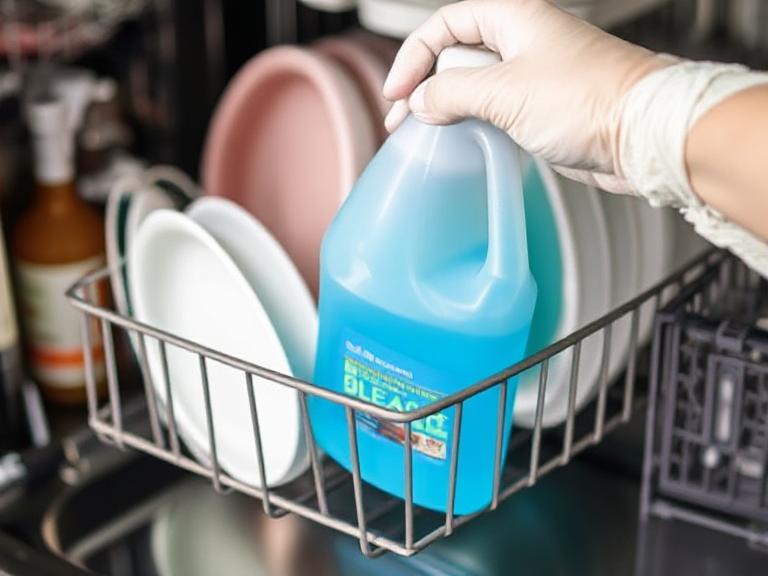
In this article, we will explore the science, safety concerns, and best practices for using bleach in dishwashers. We will also provide safe alternatives and introduce Sunshine Industrial Corporation, a trusted detergent manufacturer that provides safe, effective, and eco-friendly cleaning solutions worldwide.
How Bleach Works in Cleaning
Bleach, particularly chlorine bleach (sodium hypochlorite), is effective because it breaks down the proteins in germs and removes stains by oxidation.
Key Benefits of Bleach:
- Disinfects: Kills 99.9% of bacteria and viruses on contact.
- Whitens: Removes stains and brightens dishes.
- Deodorizes: Eliminates unpleasant odors from dishwashers and utensils.
However, bleach is also a strong chemical that must be used carefully to avoid damaging your dishwasher or releasing toxic fumes.
Risks of Putting Bleach in the Dishwasher
Adding bleach to your dishwasher can be dangerous if done incorrectly. Here are some potential risks:
- Corrosion of Stainless Steel: Chlorine bleach can damage the stainless-steel interior of dishwashers, causing pitting and rust over time.
- Harmful Fumes: If bleach is mixed with dishwasher detergent containing ammonia, it can release toxic chloramine gas.
- Damage to Rubber Seals: Bleach can degrade rubber gaskets and seals, leading to leaks.
- Skin and Eye Irritation: Direct contact can cause burns and irritation.
Important: Never put bleach directly on dishes if they have food residue, as it can react with organic matter and create harmful byproducts.
Safe Ways to Use Bleach in the Dishwasher
If you must use bleach, follow these safe practices to avoid damage:
- Use unscented, non-thickened chlorine bleach only if your dishwasher is NOT stainless steel.
- Run an empty cycle with bleach to sanitize the machine, not with dishes inside.
- Use about 1 cup of bleach in the bottom of the dishwasher.
- Always ventilate the area by opening windows or turning on the exhaust fan.
- Never mix bleach with other cleaners or detergents.
Better Alternatives to Bleach for Dishwashing
If you are worried about the risks, consider safer options:
Recommended Alternatives:
- Dishwasher Cleaner Tablets: Specially formulated for sanitizing and removing buildup.
- Vinegar: Natural deodorizer and cleaner (use on an empty cycle only).
- Baking Soda: Removes odors and softens water for a fresher clean.
- Oxygen-Based Bleach: A gentler alternative that is safer for stainless steel.
About Sunshine Industrial Corporation
Sunshine Industrial Corporation is a global leader in detergent manufacturing with a strong commitment to quality, innovation, and customer satisfaction. Since 2001, Sunshine has been delivering OEM/ODM detergent solutions for global markets, including Africa, the Middle East, and South America.
Our Product Range Includes:
With ISO9001 certification and state-of-the-art production facilities, Sunshine Industrial Corporation is a trusted partner for retailers and businesses worldwide.
Summary Table
| Aspect | Details |
|---|---|
| Safety of Bleach in Dishwasher | Only safe if dishwasher is not stainless steel and bleach is used on an empty cycle. |
| Risks | Corrosion, toxic fumes, gasket damage, health hazards. |
| Safe Practice | 1 cup bleach, empty cycle, proper ventilation, no mixing with detergents. |
| Alternatives | Dishwasher cleaner tablets, vinegar, baking soda, oxygen bleach. |
| Recommended Brand | Sunshine Industrial Corporation – Trusted provider of safe cleaning solutions. |